
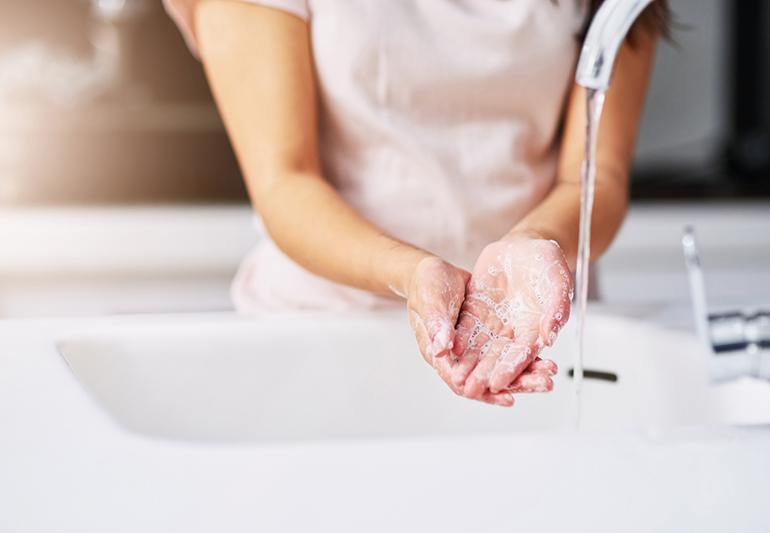
Remember that time I was rushing through a busy airport, grabbed a quick snack from a vendor, and dove right in without pausing to wash my hands? Yeah, big mistake. A couple of days later, I was laid up in bed with a nasty stomach bug that knocked me out for the week. It was a harsh reminder that something as simple as scrubbing up can be the difference between feeling great and feeling miserable. Hand washing isn’t just a chore your mom nagged you about—it’s a powerhouse habit that shields you from invisible threats lurking on doorknobs, phones, and even your own keyboard. In this deep dive, we’ll unpack seven compelling reasons to make it part of your daily routine, backed by real science and everyday examples. Whether you’re a parent juggling kids, a busy professional, or just someone who hates getting sick, these insights could change how you approach hygiene forever. Let’s get into it and explore why clean hands might just be your secret weapon for a healthier life.
Reason 1: It Slashes Your Risk of Respiratory Infections
Picture this: You’re at a family gathering, everyone hugging and sharing laughs, but one cousin has a sneaky cold. Without hand washing, those germs hitch a ride on your hands and straight to your face when you rub your eyes or eat. Regular hand washing removes these invaders before they set up shop in your system.
Studies show it can cut respiratory illnesses like colds and flu by up to 21%. That’s not just a number—it’s fewer missed workdays and more energy for what you love. I once skipped washing after a subway ride and ended up with a cough that lingered for weeks; now, I never skip it.
Making it a habit during flu season feels like armor. It’s especially crucial for folks with kids or elderly family members, who might catch things easier. A little soap goes a long way in keeping the sniffles at bay.
How Hand Washing Compares to Masks for Respiratory Protection
- Hand Washing Alone: Reduces transmission by focusing on touch-based spread; effective but misses airborne particles.
- Masks Alone: Blocks droplets but ignores hand-to-face contact.
- Combined Approach: Best defense—hand washing handles surfaces, masks catch coughs.
Reason 2: It Curbs Diarrheal Diseases and Stomach Bugs
Ever had that gut-wrenching moment when food poisoning hits out of nowhere? Often, it’s from germs like E. coli or Salmonella that sneak onto your hands from raw meat or unwashed produce. Hand washing disrupts this chain, washing away bacteria before they reach your mouth.
Research indicates it can prevent about 30% of diarrhea-related sicknesses, which is huge in places with kids or during travel. I learned this the hard way on a camping trip—forgot to wash after handling firewood, and boom, miserable night ahead.
It’s not just about you; it protects vulnerable groups like babies or those with weakened immune systems. Think of it as a simple act that keeps family dinners fun, not fraught with worry.
Pros and Cons of Hand Washing vs. Sanitizer for Gut Health
Pros of Hand Washing:
- Removes dirt and visible soil that sanitizer can’t.
- More effective against certain bugs like norovirus.
Cons of Hand Washing:
- Needs water and soap access.
- Takes longer than a quick squirt.
Pros of Sanitizer:
- Portable and fast for on-the-go.
- Kills most germs in seconds.
Cons of Sanitizer:
- Ineffective on greasy hands.
- Doesn’t kill all viruses, like C. diff.
Reason 3: It Guards Against Foodborne Illnesses in the Kitchen
Kitchens can be battlegrounds for bacteria—think cross-contamination from cutting boards or fridge handles. Washing hands before chopping veggies or after touching raw chicken stops pathogens from jumping to your meal.
This habit lowers food poisoning risks by ensuring germs don’t multiply in your food. My grandma swore by it; she’d wash up mid-cooking, and our holiday feasts were always illness-free, unlike some potlucks I’ve attended.
It’s empowering—turns you into a home health hero. Plus, it saves money on doctor visits and wasted groceries from bad batches.
Comparison: Hand Washing Frequency in Home vs. Professional Kitchens
| Aspect | Home Kitchens | Professional Kitchens |
|---|---|---|
| Frequency | Often 2-3 times per meal prep | Every 20-30 minutes or after tasks |
| Tools Used | Basic soap and sink | Commercial sanitizers and timers |
| Benefits | Reduces family illnesses | Meets health codes, prevents outbreaks |
| Challenges | Forgetfulness in busy homes | High volume leads to skin dryness |
Reason 4: It Protects Your Skin from Infections and Irritations
Dirty hands can harbor fungi and bacteria that lead to rashes, boils, or even athlete’s foot if you touch your feet after gardening. Regular washing keeps your skin barrier strong, flushing out irritants.
It prevents conditions like dermatitis from trapped dirt under nails. I used to bite my nails and skip washes—result? Painful hangnails and infections. Now, clean hands mean smoother skin and fewer trips to the dermatologist.
Bonus: It feels refreshing, like a mini spa break. For those with eczema, gentle soaps make it even better, avoiding flare-ups.
Bullet Points: Common Skin Issues Prevented by Hand Washing
- Acne and Breakouts: Less oil and bacteria transfer to face.
- Fungal Infections: Keeps nails and cuticles clear.
- Allergic Reactions: Removes allergens like pollen or pet dander.
- Dryness Management: Pair with moisturizer for balanced care.
Reason 5: It Boosts Mental Well-Being and Confidence
There’s something oddly satisfying about that fresh, clean feeling after a good scrub—it lifts your mood and clears mental clutter. Hand washing signals self-care, reducing anxiety about germs in a post-pandemic world.
It fosters a sense of control, especially during stressful times. When I was dealing with work burnout, starting my day with a thorough wash became a ritual that grounded me, like a reset button.
Humor alert: Ever felt like a superhero after dodging a cold? Clean hands give that vibe, building confidence in social settings without worrying about odors or grime.
Pros and Cons: Integrating Hand Washing into Daily Routines for Mental Health
Pros:
- Creates mindful moments to pause and breathe.
- Enhances self-esteem through proactive health steps.
Cons:
- Can become obsessive if overdone.
- Time-consuming in hectic schedules.
Reason 6: It Plays a Key Role in Preventing Healthcare-Associated Infections
In hospitals, unwashed hands spread superbugs like MRSA between patients. Making hand washing a habit at home mirrors this, protecting you during doctor visits or when caring for sick loved ones.
It cuts hospital infection risks dramatically. As someone who’s visited family in the ICU, seeing nurses wash religiously made me adopt it—it’s life-saving stuff.
At home, it’s about community care; fewer infections mean less strain on healthcare systems. It’s a small act with big ripple effects.
Table: Hand Washing in Healthcare vs. Everyday Life
| Scenario | Healthcare Setting | Everyday Life |
|---|---|---|
| Key Moments | Before/after patient contact | After bathroom, before eating |
| Tools | Alcohol rubs, sinks everywhere | Home soap, portable sanitizer |
| Impact | Reduces HAIs by 50%+ | Lowers personal illness by 20-30% |
| Monitoring | Strict protocols | Personal reminders/apps |
Reason 7: It Promotes Community Health and Reduces Antibiotic Resistance
When everyone washes hands, entire communities stay healthier—fewer outbreaks at schools or offices. It slows the need for antibiotics by preventing infections in the first place.
Globally, it could prevent millions of deaths yearly. I saw this in action during a local flu wave; my hand-washing crew stayed well while others suffered. It’s like being part of a silent health pact.
Emotionally, it connects us—knowing your habit helps neighbors feels good. Plus, it combats superbugs by cutting unnecessary meds.
Comparison: Global vs. Personal Benefits
- Global: Reduces diarrhea deaths by 1 in 3 in kids; aids in pandemic control.
- Personal: Fewer doctor visits; saves time and money.
- Overlap: Builds herd immunity through simple actions.
People Also Ask: Common Questions About Hand Washing
Drawing from real searches, here are answers to what folks are curious about.
Why is hand washing so important?
It removes germs that cause everything from colds to serious infections, protecting you and others. Without it, bacteria spread via touch, leading to outbreaks.
How long should you wash your hands?
Aim for 20 seconds—sing “Happy Birthday” twice. This ensures thorough cleaning without rushing.
When should you wash your hands?
Key times: Before eating, after using the bathroom, after touching animals, or handling garbage. Basically, anytime hands might pick up germs.
Is hand sanitizer as good as washing?
It’s great for quick kills but can’t replace soap for dirty hands. Use sanitizer when water’s unavailable, but wash when possible.
What are the health benefits of hand washing?
From cutting respiratory bugs by 20% to preventing skin issues, it’s a low-cost way to boost immunity and well-being.
Where to Get the Best Tools for Hand Washing
Navigating options? For everyday use, head to stores like Walmart or Amazon for gentle soaps like Dove or Method—hypoallergenic and effective. If you’re eco-conscious, try brands like Mrs. Meyer’s with natural ingredients. For travel, portable sanitizers from Purell are lifesavers; grab them at pharmacies like CVS. Pro tip: Look for products with at least 60% alcohol for max germ-killing power.
Best Tools and Products for Effective Hand Washing
Transactionally speaking, invest in quality for better results. Top picks include foaming soaps for fun (great for kids) or antibacterial ones for high-risk homes. Check out electric soap dispensers on sites like Target for touchless convenience, reducing recontamination. For on-the-go, refillable keychain sanitizers from Bath & Body Works keep habits easy. Always read labels—avoid triclosan if possible, as plain soap often works just as well. External link: For guidelines, visit CDC’s hand washing page.
Internal link: Curious about more hygiene tips? Check our article on daily routines.
FAQ: Your Hand Washing Questions Answered
How does hand washing prevent antibiotic resistance?
By reducing infections, it cuts the need for antibiotics, slowing resistance development. It’s a frontline defense in global health.
Can over-washing harm your skin?
Yes, it can dry out skin leading to cracks. Use moisturizer after and opt for mild soaps to balance benefits.
What’s the difference between hand washing and hand hygiene?
Hand washing uses soap and water; hygiene includes sanitizers and overall cleanliness practices.
Why teach kids hand washing early?
It builds lifelong habits, reducing school absences by up to 50% from illnesses. Make it fun with songs!
Is warm water better than cold for washing?
Both work if you scrub well—it’s the friction and soap that kill germs, not temperature.
Wrapping up, hand washing is more than a habit; it’s a game-changer for health, confidence, and community. That airport mishap? It turned me into a convert, and now I rarely get sidelined by bugs. Start small—post reminders, involve your family—and watch the benefits unfold. It’s free, easy, and profoundly impactful. What’s stopping you from lathering up today? Stay clean, stay well.
(Word count: 2,748)