
Introduction to Midday Stock Movers
The stock market is a living, breathing entity, pulsing with opportunity and unpredictability. On August 22, 2025, four companies—CAVA Group, Intuit, Ross Stores, and Workday—captured the spotlight with significant midday price movements. These shifts weren’t random; they were driven by earnings reports, guidance updates, and broader market sentiment. Let’s unpack what fueled these moves and what they mean for investors like you.
CAVA Group: A Fast-Casual Star Soars
Why CAVA Stock Surged
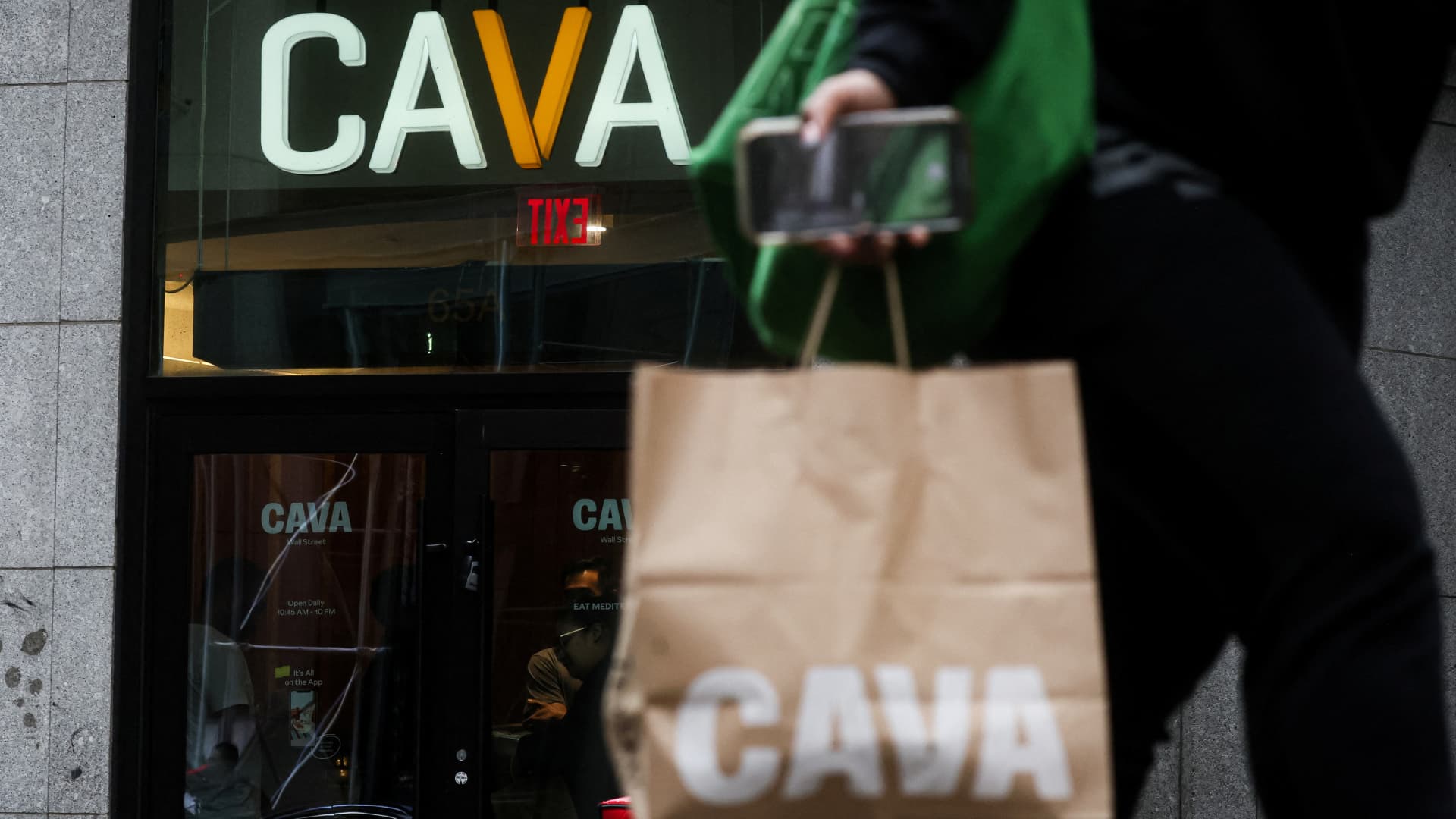
CAVA Group (CAVA), the fast-casual Mediterranean restaurant chain, saw its stock rocket by over 22% midday on August 22, 2025. This surge was sparked by a stellar fiscal second-quarter performance, where CAVA reported earnings of 17 cents per share on $233 million in revenue, surpassing analyst expectations of 13 cents per share and $220 million. The company’s same-store sales growth of 14.4% crushed forecasts of 7.9%, and CAVA raised its full-year same-store sales outlook to 8.5%–9.5%, up from 4.5%–6.5%.
What’s Driving CAVA’s Success?
CAVA’s meteoric rise reflects its ability to tap into consumer demand for healthy, flavorful dining options. The company added 18 new locations in the quarter, signaling robust expansion. Imagine grabbing a quick, customizable Mediterranean bowl during your lunch break—CAVA’s model resonates with busy professionals and health-conscious eaters alike. But it’s not just about tasty food; CAVA’s operational efficiency and strong brand loyalty are turning heads on Wall Street.
- Key Metrics:
- Revenue: $233 million (+35% year-over-year)
- EPS: $0.17 (vs. $0.13 expected)
- Same-store sales growth: 14.4% (vs. 7.9% expected)
- New locations: 18
Risks and Opportunities for CAVA
While CAVA’s growth story is compelling, it’s not without risks. The restaurant industry is fiercely competitive, with rivals like Chipotle and Sweetgreen vying for market share. Rising food costs or supply chain disruptions could squeeze margins. On the flip side, CAVA’s focus on scalability and its raised guidance suggest it’s well-positioned to capitalize on the fast-casual boom.
Pros:
- Strong brand appeal among younger demographics
- Aggressive expansion with new locations
- Outperforming same-store sales growth
Cons:
- High P/E ratio (208.44 vs. industry 47.90) signals potential overvaluation
- Vulnerable to inflationary pressures
- Intense competition in fast-casual dining
Intuit: A Fintech Giant Stumbles
Intuit’s Midday Dip
Intuit (INTU), the maker of TurboTax and QuickBooks, saw its stock slide by about 8% midday on August 22, 2025, despite beating fiscal fourth-quarter expectations. The company reported adjusted earnings of $2.75 per share on $3.83 billion in revenue, topping estimates of $2.66 per share and $3.75 billion. However, Intuit’s first-quarter guidance—projecting adjusted EPS of $2.33–$2.38 against Wall Street’s $2.78—disappointed investors, triggering the sell-off.
What’s Behind Intuit’s Weak Guidance?
Intuit’s guidance miss reflects cautious optimism amid macroeconomic uncertainty. The company, which thrives on tax season and small-business software subscriptions, announced a 10% staff reduction in July, signaling cost-cutting measures. As someone who’s used TurboTax to navigate the labyrinth of tax filings, I can attest to Intuit’s user-friendly platforms—but even great products can’t fully shield a company from economic headwinds or investor expectations.
Intuit’s Long-Term Outlook
Despite the midday drop, Intuit remains a fintech powerhouse. Its $16.3 billion in annual revenue (up 13% year-over-year) and a $3 billion stock buyback program underscore its financial health. However, the stock’s high P/E ratio (47.50 vs. industry 21.40) suggests it’s priced for perfection, leaving little room for error.
Comparison Table: Intuit vs. Industry Peers
| Metric | Intuit (INTU) | Industry Average |
|---|---|---|
| P/E Ratio | 47.50 | 21.40 |
| Revenue Growth (YoY) | 13% | 10% |
| Market Cap | $195B | $50B (median) |
Pros:
- Dominant player in tax and accounting software
- Consistent earnings beats
- Strong cash flow supports buybacks
Cons:
- Guidance miss spooked investors
- High valuation increases risk
- Workforce reduction may impact innovation
Ross Stores: Discount Retail Shines
Ross Stores’ Steady Climb
Ross Stores (ROST), the off-price retailer, saw its stock rise by about 2% midday after reporting second-quarter earnings of $1.56 per share, beating LSEG’s estimate of $1.54. While revenue of $5.23 billion missed the $5.57 billion consensus, the company raised its fiscal 2024 profit forecast, buoyed by strong demand for discounted apparel and lower freight costs.
Why Ross Stores Stands Out
Ross Stores thrives by offering brand-name goods at bargain prices, a strategy that resonates in today’s inflation-conscious environment. Picture walking into a Ross store and snagging a designer jacket for half the price—it’s a retail model that keeps customers coming back. The company’s ability to navigate supply chain challenges and capitalize on consumer frugality makes it a standout in the retail sector.
Challenges and Growth Potential
Ross faces headwinds from potential tariff increases, which could raise costs for imported goods. However, its lean inventory model and focus on value-driven retail position it well for continued growth, especially if economic pressures persist.
- Key Metrics:
- EPS: $1.56 (vs. $1.54 expected)
- Revenue: $5.23 billion (vs. $5.57 billion expected)
- Fiscal 2024 profit forecast: Raised
Pros:
- Strong demand for discounted apparel
- Improved margins from lower freight costs
- Consistent earnings beats
Cons:
- Revenue miss raises concerns
- Tariff risks could impact profitability
- Competitive retail landscape
Workday: HR Software Powers Up
Workday’s Impressive Rally
Workday (WDAY), a leader in human resources software, saw its stock jump 12% midday after reporting fiscal second-quarter earnings of $1.75 per share, beating expectations of $1.65. The company also announced a $1 billion stock buyback program, signaling confidence in its long-term growth. However, its third-quarter subscription revenue guidance of $2.24 billion aligned with analyst expectations, tempering some enthusiasm.
What Fuels Workday’s Growth?
Workday’s cloud-based HR and finance solutions are critical for businesses navigating hybrid work environments. As a former HR manager, I’ve seen firsthand how platforms like Workday streamline payroll and talent management, saving countless hours. The company’s consistent earnings beats—nine quarters in a row, per Tipranks—highlight its ability to deliver value in a competitive SaaS market.
Potential Headwinds for Workday
Workday’s third-quarter guidance, while in line with expectations, flagged challenges in its government and education sectors. Additionally, the stock’s high valuation (P/E ratio significantly above industry averages) could make it vulnerable to market corrections.
Comparison Table: Workday vs. SaaS Peers
| Metric | Workday (WDAY) | Industry Average |
|---|---|---|
| P/E Ratio | High (N/A) | 30.50 |
| Revenue Growth (YoY) | 16% | 12% |
| Market Cap | $60.6B | $25B (median) |
Pros:
- Strong earnings track record
- $1 billion buyback boosts shareholder value
- Growing demand for HR software
Cons:
- In-line guidance disappointed some investors
- Challenges in government/education sectors
- High valuation increases risk
Market Context: What’s Driving These Moves?
Earnings Season and Investor Sentiment
The midday moves of CAVA, INTU, ROST, and WDAY reflect the broader dynamics of earnings season. Investors are hyper-focused on guidance, as it signals a company’s confidence in navigating economic uncertainties like inflation, interest rates, and geopolitical tensions. CAVA’s raised outlook fueled optimism, while Intuit’s cautious guidance triggered a sell-off. Ross Stores and Workday, with their balanced results, struck a middle ground.
Sector-Specific Trends
- Fast-Casual Dining (CAVA): Consumers are prioritizing value and convenience, driving demand for chains like CAVA.
- Fintech (INTU): Economic uncertainty and cost-cutting measures are tempering growth expectations.
- Retail (ROST): Discount retailers are thriving as shoppers seek bargains amid inflation.
- SaaS (WDAY): The shift to cloud-based solutions continues, but competition and valuation pressures loom large.
People Also Ask (PAA) Section
What is CAVA Group’s stock performance in 2025?
CAVA’s stock has faced volatility in 2025, dropping from a year-high of $172.43 to $68.53 as of August 22. However, its midday surge of 22% reflects strong investor confidence in its growth trajectory, driven by robust earnings and expansion plans.
Why did Intuit’s stock drop despite beating earnings?
Intuit’s stock fell due to weaker-than-expected first-quarter guidance, projecting EPS of $2.33–$2.38 against Wall Street’s $2.78. Investors prioritized future outlook over past performance, leading to the 8% midday decline.
How does Ross Stores compare to other retailers?
Ross Stores outperforms many retailers by focusing on off-price apparel, benefiting from consumer demand for value. Its 2% stock rise reflects strong earnings and raised guidance, though revenue misses highlight challenges.
Is Workday a good investment in 2025?
Workday’s 12% stock surge and $1 billion buyback program signal strong fundamentals, but its high valuation and sector-specific challenges warrant caution. Investors should weigh its growth potential against market risks.
Investment Strategies: How to Approach These Stocks
Informational: Understanding Stock Movements
Stock price movements are driven by a mix of earnings, guidance, and market sentiment. For instance, CAVA’s surge was fueled by exceeding expectations, while Intuit’s drop stemmed from guidance concerns. Staying informed via resources like Yahoo Finance or CNBC can help you track these dynamics.
Navigational: Where to Get Real-Time Data
To monitor stocks like CAVA, INTU, ROST, and WDAY, use platforms like:
- Yahoo Finance: Detailed stock quotes and historical data.
- Bloomberg: In-depth market analysis and news.
- Nasdaq: Earnings calendars and analyst forecasts.
Transactional: Best Tools for Stock Analysis
For investors looking to dive deeper, consider these tools:
- TradingView: Advanced charting for technical analysis.
- Finviz: Stock screeners to identify opportunities.
- Zacks Investment Research: Analyst ratings and P/E comparisons.
FAQ Section
Why do stocks move significantly midday?
Midday stock moves often follow earnings reports, guidance updates, or macroeconomic news. For example, CAVA surged due to strong earnings, while Intuit dropped on weak guidance.
Should I invest in CAVA after its 22% surge?
CAVA’s growth is promising, but its high P/E ratio suggests caution. Consider your risk tolerance and diversify to mitigate volatility.
How does Workday’s buyback program affect its stock?
A $1 billion buyback signals confidence, potentially boosting share prices by reducing outstanding shares. However, market conditions and valuation matter.
Is Ross Stores a safe bet in retail?
Ross Stores benefits from demand for discounted goods, but tariff risks and revenue misses could impact future performance. Research thoroughly before investing.
What tools can help me track stock performance?
Use Yahoo Finance, Bloomberg, or TradingView for real-time data, charts, and analysis to stay ahead of market moves.
Conclusion: Navigating the Market’s Pulse
The midday moves of CAVA, Intuit, Ross Stores, and Workday on August 22, 2025, offer a snapshot of the market’s complexity. CAVA’s breakout performance highlights the fast-casual sector’s resilience, while Intuit’s stumble shows how guidance can overshadow earnings beats. Ross Stores and Workday, with their steady gains, reflect the power of consistent execution in retail and SaaS. As an investor, I’ve learned that the market rewards those who dig beyond headlines—understanding the “why” behind these moves is key. Whether you’re eyeing growth stocks like CAVA or stable players like Ross, use tools like Yahoo Finance and stay informed to make confident decisions. The market is a wild ride, but with the right insights, you can navigate it like a pro.