
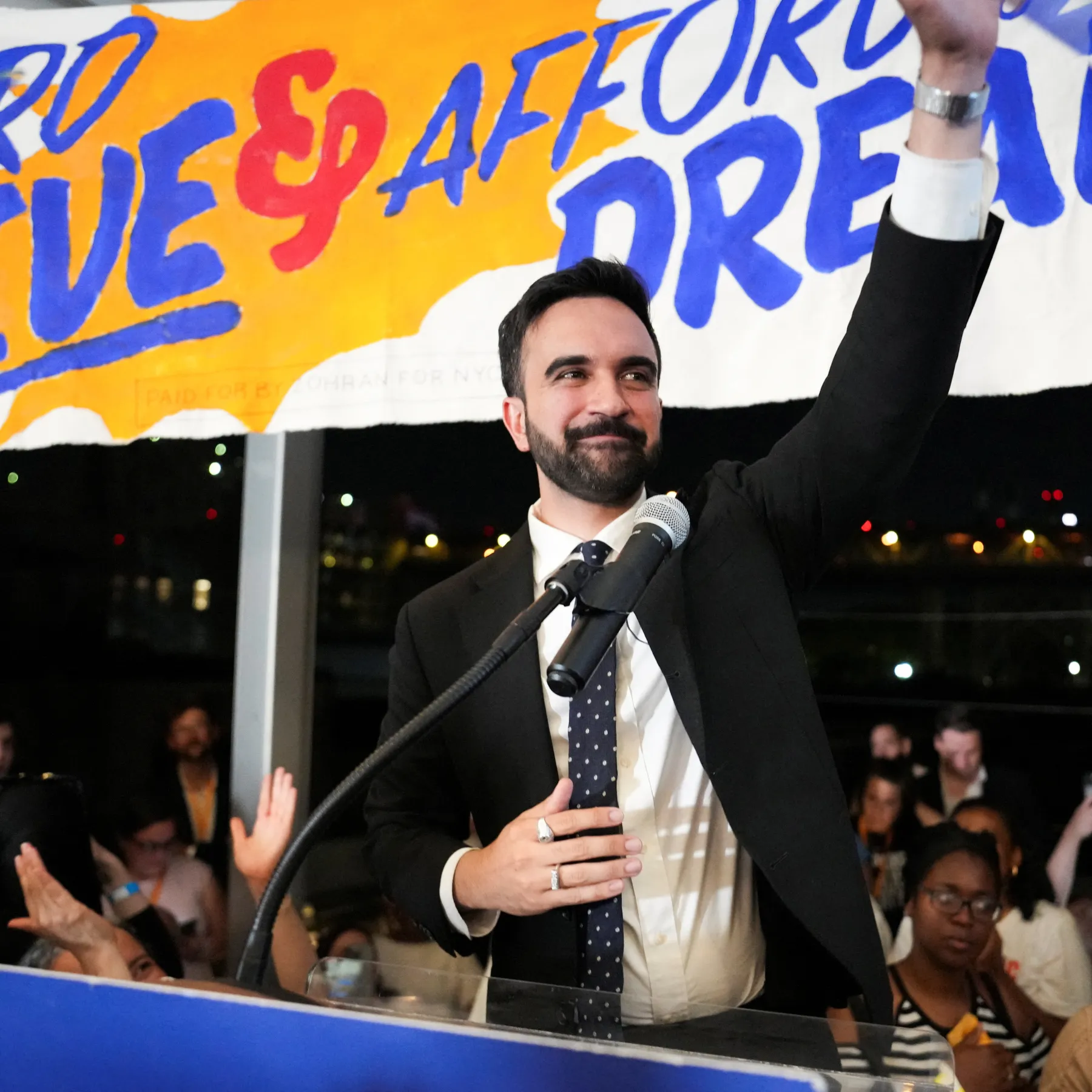
Introduction to Zohran Mamdani’s Vision
Zohran Mamdani, the Democratic nominee for New York City mayor in the 2025 election, has captured attention with his bold, progressive platform centered on affordability. His policies, rooted in democratic socialism, promise transformative changes like free bus services, rent freezes, and city-run grocery stores, all funded by taxing the city’s wealthiest residents and corporations. For New York’s affluent, these proposals signal a potential shift in their financial and lifestyle landscape.
Who Is Zohran Mamdani?
A 33-year-old state assemblyman from Queens, Mamdani has risen from relative obscurity to a political powerhouse, defeating former Governor Andrew Cuomo in the Democratic primary. Born in Uganda and raised in New York City, he brings a unique perspective, shaped by his privileged upbringing and grassroots activism. His campaign resonates with younger voters and those frustrated by rising costs, but it’s his tax proposals that have sparked heated debate among the city’s elite.
Why His Policies Matter to the Wealthy
Mamdani’s platform directly targets New York’s top earners—those making over $1 million annually—and corporations, aiming to fund ambitious social programs through higher taxes. For wealthy New Yorkers, this could mean increased financial burdens and changes to the city’s business-friendly environment. The stakes are high, as the top 1% contribute over 40% of the city’s income taxes, making their response to these policies a critical factor.
The Core Policies Impacting Wealthy New Yorkers
Mamdani’s agenda is built on addressing the cost-of-living crisis, but its funding mechanisms place a spotlight on the affluent. Below, we explore the key policies and their potential effects.
The Millionaire Tax: A 2% Increase for High Earners
Mamdani proposes a 2% additional income tax on New Yorkers earning over $1 million annually, which, combined with existing city and state taxes, could push the total tax rate to 16.776%—the highest in the U.S. This tax aims to raise $4 billion annually to fund social programs like free childcare and bus services. For a millionaire, this translates to an additional $20,000 per year, doubling to $40,000 for those earning $2 million.
Potential Financial Impact
This tax hike could significantly dent the disposable income of high earners. For instance, a hedge fund manager earning $5 million annually would face an extra $100,000 in taxes. While Mamdani argues this is a “rounding error” for the ultra-wealthy, critics like billionaire Bill Ackman warn it could drive high earners to lower-tax states like Florida or Texas.
Wealth Flight Concerns
The fear of “wealth flight” looms large. Florida real estate brokers report a surge in inquiries from New York’s wealthy, with some business owners threatening to relocate or close shop. However, research from the Fiscal Policy Institute suggests that high earners leave New York at a quarter the rate of other income groups, often prioritizing lifestyle over tax savings.
Corporate Tax Increase: Matching New Jersey’s Rate
Mamdani’s plan to raise New York State’s corporate tax rate from 7.25% to 11.5%—matching New Jersey’s rate—aims to generate $5 billion annually. This would affect businesses operating in New York City, regardless of their headquarters, potentially impacting profitability and investment decisions.
Impact on Business Owners
For corporate executives and business owners among the wealthy, this increase could reduce profit margins, especially for firms with tight budgets. Critics argue it might deter new businesses from setting up in New York, potentially shrinking the city’s economic base. Yet, Mamdani counters that these funds will enhance quality of life, making the city more attractive for talent retention.
Comparison to Other States
| State | Corporate Tax Rate | Impact on NYC Businesses |
|---|---|---|
| New York (Current) | 7.25% | Competitive for businesses |
| New York (Proposed) | 11.5% | Higher costs, potential relocation risk |
| New Jersey | 11.5% | Already high, but stable business environment |
| Florida | 5.5% | Lower taxes, attracting NYC businesses |
This table highlights the competitive disadvantage New York could face, pushing some corporations to consider relocation.
Rent Control and Housing Policies
Mamdani’s housing plan includes freezing rent on rent-stabilized apartments (about 28% of NYC’s housing stock) and building 200,000 new affordable units over a decade. He also proposes upzoning wealthier neighborhoods to increase housing density, which could affect property values in affluent areas.
Impact on Real Estate Investors
Wealthy New Yorkers with real estate portfolios may see reduced returns from rent-stabilized properties, as frozen rents limit income growth. Upzoning in high-end neighborhoods like Manhattan’s Upper East Side could also lower property values by increasing supply, a concern for developers and investors.
Pros and Cons for Property Owners
- Pros: Increased housing supply could stabilize the market long-term; upzoning may attract new residents to affluent areas.
- Cons: Rent freezes reduce rental income; upzoning may depress property values in exclusive neighborhoods.
City-Owned Grocery Stores
Mamdani’s proposal for city-run grocery stores aims to combat rising food prices by selling staples at wholesale rates. These stores would operate without rent or property tax burdens, potentially undercutting private retailers.
Effect on Retail Tycoons
Wealthy owners of grocery chains, like John Catsimatidis of Gristedes, could face competition from these nonprofit stores, squeezing profit margins. While the plan targets food deserts, its broader rollout might disrupt the retail market, affecting investors in commercial real estate.
Free Bus Services and Childcare
Mamdani’s fare-free bus program and universal childcare for children aged 6 weeks to 5 years aim to ease financial burdens for working-class families. These initiatives, funded by the proposed tax hikes, could indirectly affect the wealthy through higher taxes and changes in city services.
Lifestyle Implications
For affluent New Yorkers, free buses might reduce traffic congestion, benefiting those who rely on private cars or taxis. However, the tax burden to fund these programs could offset such advantages, prompting some to question the trade-off.
The Broader Economic Implications
Will Wealthy New Yorkers Leave?
The specter of wealth flight dominates discussions about Mamdani’s policies. While some, like billionaire Dan Loeb, label it a “hot commie summer,” others, like economist Isabella Weber, argue that New York’s cultural and lifestyle appeal retains the wealthy despite higher taxes. Data from Altrata shows NYC’s millionaire population has doubled over the past decade, suggesting resilience against tax-driven exodus.
A Personal Story
Consider Sarah, a hypothetical hedge fund manager earning $3 million annually. She loves her Upper West Side penthouse and the city’s vibrant cultural scene but is wary of Mamdani’s tax hikes. “I could move to Miami and save $60,000 a year,” she muses, “but leaving my friends, my favorite restaurants, and Broadway? That’s a tough call.” Her dilemma reflects the tension between financial incentives and lifestyle loyalty.
Business Climate and Investment
Mamdani’s corporate tax increase could deter new investments, as businesses weigh the costs of operating in a high-tax environment. However, his “Mom-and-Pop Tsar” initiative to cut red tape and halve business fees might offset some concerns for smaller enterprises, indirectly benefiting wealthy investors in local businesses.
Comparison with Past Mayors
| Mayor | Tax Policy on Wealthy | Outcome for Affluent |
|---|---|---|
| Michael Bloomberg | Raised property and income taxes | Minimal wealth flight, sustained growth |
| Bill de Blasio | Attempted tax hikes, failed | Stable but strained business relations |
| Zohran Mamdani (Proposed) | 2% millionaire tax, 11.5% corporate tax | Potential flight, mixed economic impact |
Bloomberg’s tax hikes didn’t spark mass exodus, suggesting Mamdani’s policies might not be as disruptive as critics fear.
Social and Political Reactions
Pushback from the Elite
Wealthy New Yorkers are mobilizing against Mamdani. Real estate executives and financiers are forming super PACs, like New Yorkers for a Better Future, to fund opponents like Eric Adams or Andrew Cuomo. Billionaire Bill Ackman has pledged significant resources to back a challenger, reflecting the elite’s alarm.
A Touch of Humor
It’s almost comical how some billionaires are clutching their pearls, as if Mamdani’s policies might force them to trade their private jets for subway passes. Yet, their fear isn’t entirely baseless—New York’s economy thrives on their contributions, and even a small exodus could ripple through the city.
Support from Unexpected Quarters
Surprisingly, Mamdani has garnered support from tech workers, with Google, Meta, and Amazon employees donating heavily to his campaign. This suggests that some high earners see value in his vision for a more affordable city, even if it means higher taxes.
People Also Ask (PAA)
What is Zohran Mamdani’s millionaire tax?
Mamdani’s millionaire tax is a proposed 2% additional income tax on New Yorkers earning over $1 million annually, aiming to raise $4 billion for social programs. It would increase the combined city and state tax rate to 16.776%, sparking concerns about wealth flight.
How will Mamdani’s policies affect NYC’s economy?
His policies could improve affordability for working-class residents but risk driving away businesses and high earners due to higher taxes. While some economists endorse his plan as practical, others warn of economic strain if wealthy residents leave.
Where can wealthy New Yorkers get tax advice?
Financial advisors at firms like Deloitte or PwC specialize in high-net-worth tax planning. Online platforms like Wealthfront or Betterment also offer tax optimization tools tailored for affluent clients.
What are the best tools for tracking tax changes?
Software like TurboTax, H&R Block, or QuickBooks can help wealthy individuals monitor tax liabilities. For real-time policy updates, websites like the NYC Department of Finance or Tax Foundation provide reliable resources.
FAQ Section
Will Mamdani’s tax hikes force wealthy New Yorkers to leave?
While some wealthy residents may consider relocating to lower-tax states, data suggests lifestyle factors like NYC’s cultural appeal often outweigh tax concerns. The impact depends on individual priorities and tolerance for higher costs.
How do Mamdani’s policies compare to past mayors?
Unlike Bloomberg, who successfully raised taxes without major backlash, Mamdani’s steeper hikes face stronger opposition. De Blasio’s failed tax attempts highlight the challenges Mamdani may encounter in Albany.
Can Mamdani implement these policies without state approval?
No, many of Mamdani’s proposals, like the millionaire tax, require approval from Albany, where Governor Kathy Hochul has expressed reluctance to raise taxes. This could limit his ability to deliver on promises.
What are the benefits for wealthy New Yorkers?
Improved affordability could enhance the city’s appeal, attracting talent and stabilizing the workforce. Free buses and childcare might also reduce congestion and improve quality of life, even for the affluent.
How can wealthy New Yorkers prepare for these changes?
Consulting tax advisors, diversifying investments, or exploring residency options in lower-tax states can help mitigate impacts. Staying informed via platforms like the NYC Department of Finance is also key.
Conclusion: A Balancing Act for New York’s Elite
Zohran Mamdani’s policies present a double-edged sword for wealthy New Yorkers. On one hand, higher taxes and rent controls could strain finances and investments, prompting some to consider leaving. On the other, his vision for a more affordable city might enhance its vibrancy, benefiting even the affluent indirectly. As the November 2025 election looms, the wealthy face a choice: embrace Mamdani’s reforms or push back through political and financial influence. The outcome will shape not just their wallets but the soul of New York City.