
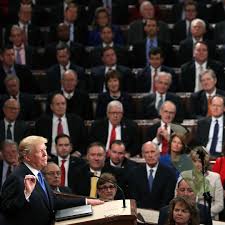
The Unprecedented Grip of Trump on the GOP
Donald Trump’s influence over the Republican Party is unlike anything we’ve seen in modern politics. From derailing bipartisan bills to shaping primary outcomes, his sway over GOP politicians is profound, often bending their actions to his will. But why do seasoned lawmakers, many with decades of experience, align so closely with a figure who thrives on controversy? The answer lies in a mix of fear, loyalty, and strategic calculation, all amplified by Trump’s unique ability to command the party’s base.
The Power of the MAGA Base
A Loyal and Vocal Supporter Network
Trump’s “Make America Great Again” (MAGA) movement has cultivated a fiercely loyal base that forms the backbone of his influence. These supporters—often described as a cult of personality—attend rallies in droves, donate millions, and fiercely defend Trump on platforms like X. Republican politicians know that crossing Trump risks alienating this group, which can make or break their electoral chances.
Primary Pressure: The Fear of Being “Primaried”
The threat of a primary challenge looms large for GOP lawmakers. Trump’s endorsement can propel a candidate to victory, while his disapproval can unleash a well-funded, MAGA-backed opponent. In 2022, Congressman Tom Rice faced this reality after voting to impeach Trump post-January 6. Death threats, censure by the South Carolina GOP, and Trump’s public denouncement as a “disaster” ended Rice’s career. This fear keeps many Republicans in line.
| Event | Outcome for GOP Politician |
|---|---|
| Tom Rice’s Impeachment Vote (2021) | Faced death threats, lost re-election bid |
| Liz Cheney’s Criticism of Trump | Lost GOP leadership role, defeated in primary |
| Mitt Romney’s Impeachment Vote | Censured by Utah GOP, faced primary challenges |
Trump’s Intimidation Tactics
Public Shaming and Social Media Barrage
Trump wields his Truth Social platform like a sledgehammer, publicly calling out Republicans he deems disloyal. His posts, like the one labeling former Attorney General Bill Barr as “Dumb, Weak, Slow Moving, Lethargic, Gutless, and Lazy,” serve as both punishment and warning. This public shaming, amplified by right-wing influencers, creates a chilling effect.
Behind-the-Scenes Pressure
Beyond public attacks, Trump’s team applies pressure privately. When House Ways and Means Chair Jason Smith sought to pass a bipartisan tax deal, he first met with Trump for 90 minutes to ensure the former president wouldn’t torpedo it. Such consultations show how Trump’s approval is often a prerequisite for GOP legislative moves.
The Appeal of Anti-Establishment Sentiment
Tapping into Voter Frustration
Trump’s promise to “drain the swamp” resonates with a Republican base that distrusts federal institutions, media, and the political elite. Polls show that 89% of Trump voters believe American values and traditions are under threat, compared to 45% of Harris voters. This anti-establishment fervor makes Trump a conduit for widespread discontent, giving him leverage over politicians who rely on these voters.
A Shift from Traditional Conservatism
Unlike Reagan-era Republicans who championed free markets and limited government, Trump’s populism prioritizes nationalism and protectionism. His rhetoric—often non-ideological and pragmatic—appeals to working-class voters who feel left behind by globalization. GOP politicians adapt to this shift to stay relevant, even if it means abandoning long-held principles.
The Cult of Personality Phenomenon
Charismatic Authority in Action
Political scientists liken Trump’s influence to a cult of personality, rooted in Max Weber’s concept of charismatic authority. His self-styled image as a non-politician, successful businessman, and “great leader” distances him from the traditional GOP establishment. This persona fosters an emotional bond with supporters, who see him as a fighter against a corrupt system.
Emotional Connection Through Media
Trump’s pre-political fame as a reality TV star and his prolific use of social media deepen this bond. His posts on X and Truth Social—raw, unfiltered, and often conspiratorial—make supporters feel like they’re hearing from a friend. This connection empowers Trump to dictate party narratives, leaving politicians little room to deviate.
Strategic Calculations by Politicians
Electoral Survival and Job Preservation
Republican lawmakers often prioritize re-election over ideology. As one senator told Mitt Romney, the first question when voting on a bill should be, “Will this help me win re-election?” Trump’s ability to sway primaries makes him the gatekeeper of political survival. His endorsements are gold; his criticism is kryptonite.
Legislative Leverage
Trump’s influence extends to policy. His opposition derailed a bipartisan border-security bill in 2024, as he preferred to keep immigration as a campaign issue. Republicans, wary of handing Biden a legislative win, followed his lead. This dynamic shows how Trump’s priorities often override party consensus.
| Legislative Action | Trump’s Influence | Outcome |
|---|---|---|
| Border-Security Bill (2024) | Opposed by Trump | Bill stalled in Senate |
| Bipartisan Tax Deal (2024) | Approved after Trump consultation | Passed House overwhelmingly |
The Role of Negative Partisanship
Hatred of the Opposition
Negative partisanship—dislike for the opposing party—fuels Trump’s hold. A 2022 American National Election Studies poll found that 67% of Republicans gave Joe Biden a feeling thermometer rating of less than 15 degrees, while only 41% rated Trump highly. This intense hatred of Democrats binds Republicans to Trump, even when they have reservations about him.
Animus Toward Marginalized Groups
Studies suggest that animus toward Democratic-linked groups, like African Americans and Muslims, predicts Trump support. This dynamic, evident as early as 2011, draws a faction of voters to Trump, who then pressures politicians to align with his rhetoric to maintain their support.
Comparing Trump’s Influence to Past GOP Leaders
Reagan vs. Trump
Ronald Reagan united Republicans around a clear conservative agenda: tax cuts, deregulation, and anti-Soviet policies. Trump, in contrast, focuses on grievance and base mobilization, often neglecting broad coalition-building. While Reagan’s influence persisted through ideology, Trump’s relies on personal loyalty.
Bush and the Neoconservatives
George W. Bush’s neoconservative faction shaped GOP foreign policy post-9/11. Trump’s nationalism, however, prioritizes “America First” over global engagement, forcing politicians to adapt to a new party identity. This shift has sidelined traditional conservatives, making Trump’s vision dominant.
| Leader | Core Ideology | Influence Style |
|---|---|---|
| Ronald Reagan | Conservatism (tax cuts, deregulation) | Ideological unity |
| George W. Bush | Neoconservatism (global intervention) | Policy-driven leadership |
| Donald Trump | Populism (nationalism, anti-elitism) | Personal loyalty, intimidation |
Pros and Cons of Trump’s Influence
Pros
- Mobilizes the Base: Trump’s rhetoric energizes low-propensity voters, boosting turnout. In 2016, he drew significant first-time voters in primaries.
- Party Unity: His dominance minimizes internal GOP fractures, ensuring a cohesive front in elections.
- Media Attention: Trump’s controversies keep the GOP in the spotlight, often drowning out Democratic messaging.
Cons
- Electoral Risks: MAGA candidates, like Kari Lake in 2022, often lose winnable races due to their extreme positions.
- Policy Stagnation: Trump’s focus on grievance over policy hinders legislative progress, as seen with the failed Affordable Care Act repeal.
- Alienation of Moderates: His rhetoric repels independents and young voters, narrowing the GOP’s appeal.
The Psychological Appeal of Trump’s Leadership
A Sense of Agency
Trump’s supporters feel empowered by his rejection of “experts” and elites. This anti-intellectualism, rooted in conspiracy theories like QAnon, gives voters a sense of agency, which politicians tap into to secure their loyalty.
Fear of Losing Power
For many Republicans, supporting Trump is less about agreement and more about fear of losing influence. As one former senator’s chief of staff noted, Trump’s presidential bully pulpit gives him unmatched leverage, unlike his limited sway in business or entertainment.
People Also Ask (PAA)
Why do Republicans support Trump despite controversies?
Republicans support Trump because his base—energized by anti-establishment sentiment—holds significant electoral power. Crossing him risks primary challenges and voter backlash. His ability to dominate media and shape party narratives further cements his influence.
How does Trump influence GOP policy?
Trump influences policy by leveraging his base’s loyalty and his social media platform. For example, he stalled a 2024 border-security bill to maintain immigration as a campaign issue, showing how his priorities override traditional GOP agendas.
Is Trump’s influence over the GOP permanent?
While Trump’s current grip is strong, it’s not guaranteed to last. Shifts in voter priorities, new leadership, or electoral losses could weaken his hold. However, his transformation of the party’s identity suggests a lasting impact.
What motivates Trump’s base?
Trump’s base is motivated by distrust in institutions, economic frustration, and cultural fears. Polls show 87% of Trump voters see jobs and prosperity as under threat, driving their support for his populist rhetoric.
Real Stories of GOP Compliance
The Case of Jason Smith
When Jason Smith wanted to pass a $78 billion tax deal, he didn’t just consult party leaders—he met with Trump. This 90-minute meeting ensured Trump’s blessing, highlighting how even routine legislation now hinges on his approval. It’s a stark reminder of his behind-the-scenes power.
Liz Cheney’s Fall
Liz Cheney, once a rising GOP star, became a cautionary tale. Her vocal criticism of Trump post-January 6 led to her ouster from leadership and a primary defeat. Her story shows the cost of defiance in today’s GOP.
The Broader Impact on Democracy
Erosion of Norms
Trump’s influence raises concerns about democratic norms. His “stop the steal” efforts post-2020 faced little electoral penalty from GOP voters, suggesting tolerance for undemocratic behavior. This dynamic pressures politicians to prioritize loyalty over principle.
A Polarized Party System
Negative partisanship has made bipartisan cooperation rare. Trump’s ability to frame Democrats as enemies ensures GOP politicians stay loyal, as crossing him risks being seen as siding with the “other side.” This polarization stifles governance.
Tools and Resources for Understanding Trump’s Influence
Best Tools for Political Analysis
- RealClearPolitics: Aggregates polls to track GOP voter sentiment and Trump’s approval ratings.
- American National Election Studies: Offers data on voter attitudes, like negative partisanship.
- X Platform: Monitor real-time sentiment from GOP voters and politicians via posts.
Where to Get Reliable Political News
- The Atlantic: In-depth analysis of GOP dynamics.
- Pew Research Center: Data-driven insights on voter behavior.
- PBS NewsHour: Balanced reporting on Trump’s influence.
FAQ
Why don’t Republicans challenge Trump’s influence?
Fear of primary challenges and voter backlash keeps most Republicans aligned with Trump. His endorsements are critical for electoral success, and defying him risks political ruin.
How does Trump maintain his base’s loyalty?
Trump uses media, rallies, and social platforms to foster an emotional connection, portraying himself as a fighter against a corrupt system. This resonates with voters who feel disenfranchised.
Can the GOP move beyond Trump?
While possible, it’s challenging. Trump’s transformation of the party’s identity—toward populism and nationalism—has deep roots. A shift would require new leadership and a change in voter priorities.
What role does fear play in GOP compliance?
Fear of losing re-election drives compliance. Trump’s ability to mobilize his base against disloyal politicians, as seen with Tom Rice and Liz Cheney, ensures most toe the line.
How does Trump’s influence affect policy?
Trump’s priorities, like keeping immigration unresolved for campaign leverage, often override GOP consensus. Politicians align with him to avoid alienating his base, stalling bipartisan efforts.
Conclusion
Trump’s hold over Republican politicians stems from a potent mix of fear, loyalty, and strategic alignment with a restless base. His ability to intimidate, mobilize, and dominate media narratives makes him a unique force in GOP politics. While this ensures party unity, it risks alienating moderates and stalling governance. As the party navigates this era, the question remains: can it balance Trump’s influence with broader electoral appeal? Only time—and the voters—will tell.