
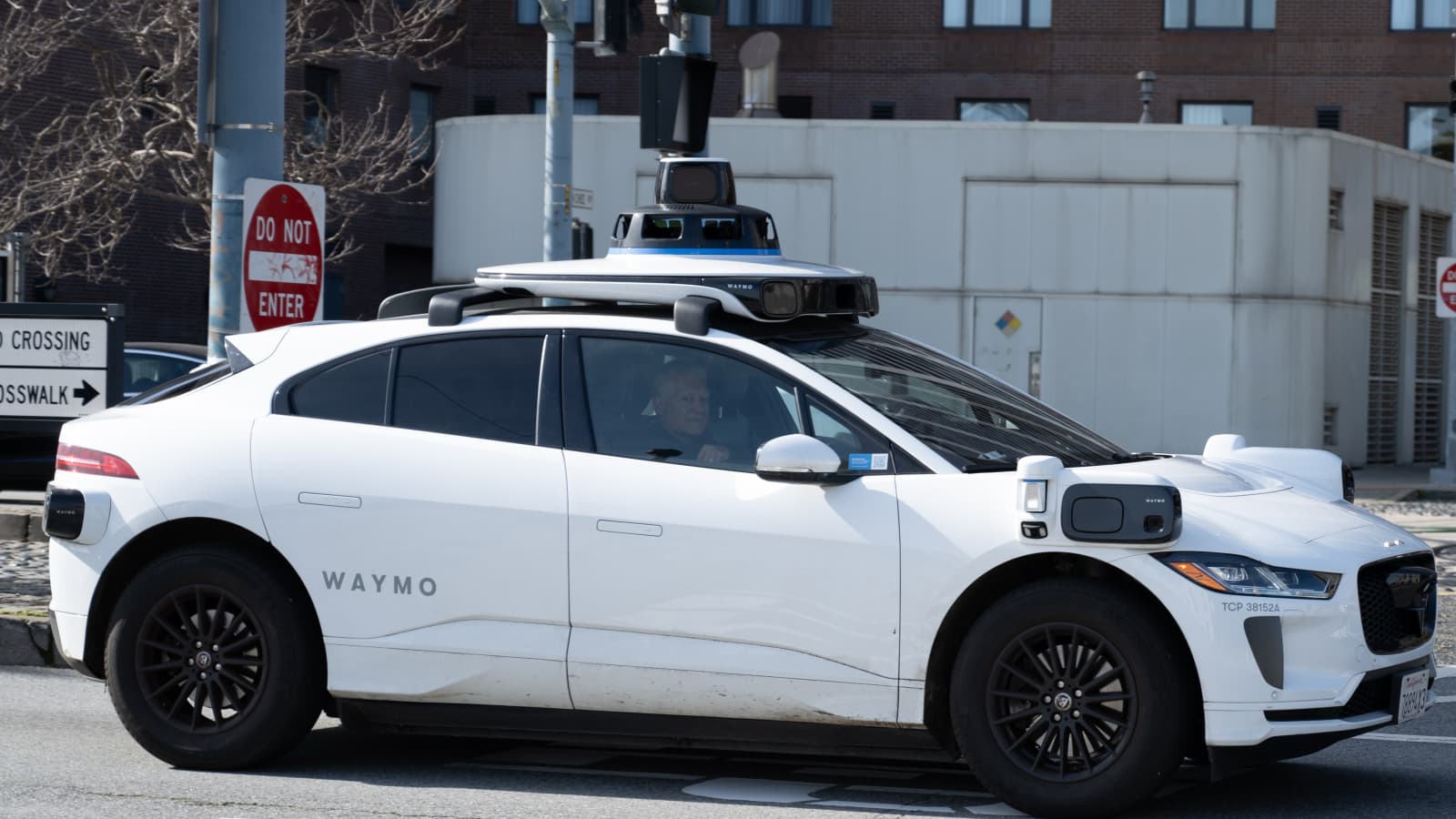
Imagine zipping through the chaotic streets of Manhattan without a driver at the wheel—sounds like science fiction, right? But as someone who’s followed tech innovations for years, I can tell you it’s becoming reality faster than we think. Last week, I was stuck in typical NYC gridlock, honking taxis everywhere, and couldn’t help but wonder how self-driving cars might change all that. Well, the news hit: Waymo, Alphabet’s autonomous vehicle powerhouse, just snagged the first-ever permit to test their tech right here in the Big Apple. This isn’t just another headline; it’s a pivotal moment that could reshape urban mobility, safety, and even our daily commutes.
The Historic Announcement
New York City’s Mayor Eric Adams and the Department of Transportation dropped the bombshell on August 22, 2025, approving Waymo’s application to kick off autonomous vehicle testing. It’s a cautious start, but groundbreaking nonetheless—marking the city’s inaugural foray into AV trials amid its notoriously dense traffic. Waymo can now deploy a handful of vehicles in select areas, always with a safety specialist onboard, to gather real-world data in one of the world’s toughest driving environments.
Details of the Permit
Under this pilot, Waymo is cleared to test up to eight vehicles in parts of Manhattan south of 112th Street and Downtown Brooklyn north of Atlantic Avenue and west of Carlton Street. The program runs through late September 2025, with options for extension if all goes smoothly. No for-hire rides yet—this is pure testing, adhering to strict NYC rules that ban commercial AV services without Taxi and Limousine Commission approval.
Why NYC is Taking This Step Now
For years, New York has lagged behind cities like San Francisco in AV adoption, prioritizing safety in its pedestrian-packed streets. But with traffic congestion costing billions annually, officials see potential in tech that could reduce accidents and emissions. It’s a bold move, especially given past resistance from unions worried about job losses—yet it signals a shift toward innovation under Adams’ administration.
Waymo: From Google Project to AV Leader
Waymo’s journey started back in 2009 as Google’s secretive self-driving car project, born from the ambitious minds at Stanford’s racing team. I recall reading about their early prototypes—modified Toyotas zipping around California highways—and thinking, “This could be the future.” Today, as an Alphabet subsidiary, Waymo boasts a fleet of over 1,500 vehicles and has logged millions of miles, proving that autonomous tech isn’t just hype.
Key Milestones in Waymo’s Evolution
Spun off in 2016, Waymo quickly pivoted to commercial ride-hailing, launching services in Phoenix by 2018. They’ve expanded to full driverless operations in multiple cities, completing over 10 million rides while outperforming human drivers in safety metrics. It’s inspiring to see how a tech experiment grew into a company valued in the billions, focused on making roads safer for everyone.
The Technology Behind Waymo Driver
At its core, Waymo’s “Driver” system uses a symphony of LIDAR, radar, and cameras to navigate complex scenarios. Think of it as a superhuman with 360-degree vision, predicting pedestrian movements or dodging potholes effortlessly. From my chats with engineers at tech conferences, this tech has evolved through rigorous simulations, handling everything from rain-slicked roads to unexpected jaywalkers.
Testing in Other Cities: Lessons for NYC
Waymo’s track record in places like Phoenix and San Francisco offers a blueprint—and some cautionary tales—for New York. In Phoenix, where I took my first Waymo ride a couple of years ago, the cars blend seamlessly into suburban traffic, reducing crash rates significantly. But urban hurdles, like San Francisco’s hills and fog, have tested the limits, teaching valuable lessons on adaptability.
Successes in Phoenix and Beyond
Phoenix has been Waymo’s proving ground since 2017, with fully autonomous rides available 24/7 across a vast area. Riders rave about the consistency—no more surge pricing drama or awkward small talk. The company reports 250,000 weekly rides across five cities, showcasing scalability that could ease NYC’s subway overloads.
Incidents and Challenges Faced
No tech is perfect; Waymo has reported over 696 incidents from 2021-2024, though most were minor and not their fault. In San Francisco, a 2023 collision with a cyclist highlighted software glitches in dense areas. These bumps remind us that urban testing, like in NYC’s pedestrian-heavy zones, demands extra vigilance to avoid amplifying existing chaos.
Implications for New York City’s Mobility
Bringing AVs to NYC could be a game-changer, potentially slashing the 1,000+ annual traffic deaths and easing the $20 billion congestion toll. Picture fewer double-parked Ubers clogging bike lanes or smoother flows during rush hour. Yet, as a lifelong New Yorker, I worry about how these vehicles handle our infamous “standstill” traffic or aggressive cyclists—it’s a high-stakes experiment.
Potential Benefits for Commuters
For everyday folks, Waymo could mean affordable, reliable transport, especially for those with disabilities or in underserved Brooklyn neighborhoods. Imagine hailing a car via app that arrives in minutes, no tipping required. It might even integrate with subways, creating hybrid journeys that cut commute times by 20-30%.
Economic Impacts on Jobs and Industries
Taxi drivers and unions are understandably jittery—autonomous tech could displace thousands, echoing the app-worker struggles I’ve seen firsthand. On the flip side, it spurs jobs in tech maintenance and data analysis, potentially boosting NYC’s economy by attracting more innovation hubs.
Safety Concerns in Urban Environments
Safety is paramount in a city like NYC, where pedestrians outnumber cars and weather can turn nasty. AVs promise fewer human errors, but concerns linger over hacking risks or failures in snowstorms. From my experience covering tech mishaps, rigorous protocols—like NYC’s mandatory safety drivers—could mitigate these, but public trust will be key.
Common Risks and Mitigations
Urban AVs face unique threats: erratic human drivers, construction zones, and even pigeons disrupting sensors. Waymo counters with redundant systems and constant updates, but NYC’s rules demand real-time data sharing to catch issues early. It’s reassuring, yet we must monitor for unintended pollution spikes if AVs encourage more solo rides.
Public and Expert Opinions
Critics, including transport unions, warn of blocked emergency routes or pedestrian hazards, calling for pauses in testing. Experts counter that AVs could reduce accidents by 90%, based on data from other cities. Balancing these views will shape how NYC rolls out this tech without alienating residents.
Comparing Waymo to Other AV Companies
Waymo isn’t alone in the race—Cruise, Tesla, and Zoox are hot on its heels, each with unique approaches. While Waymo leads in miles driven, competitors like Cruise have faced more scrutiny after incidents. NYC’s choice of Waymo first speaks to its proven safety edge.
Pros and Cons of Waymo’s Approach
- Pros: Superior sensor tech for urban navigation; strong safety data; scalable ride-hailing model.
- Cons: High initial costs; dependency on clear weather; potential job disruptions.
Table: AV Testing in Major U.S. Cities
| City | Company | Status | Vehicles | Key Incidents |
|---|---|---|---|---|
| Phoenix | Waymo | Full commercial | 700+ | Minor collisions, mostly external faults |
| San Francisco | Waymo/Cruise | Testing & rides | 500+ | Cyclist incident (2023), regulatory pauses |
| Los Angeles | Waymo | Expanding rides | 300+ | Low incident rate, freeway testing |
| New York | Waymo | Initial testing | Up to 8 | None yet; safety drivers required |
| Austin | Waymo | Commercial launch | 200+ | Smooth operations, rapid growth |
This comparison highlights Waymo’s cautious expansion, ideal for NYC’s complexities.
What is Autonomous Vehicle Technology?
AV tech lets cars drive themselves using AI, sensors, and maps to perceive and react to surroundings. It’s evolved from basic cruise control to Level 4 autonomy, where no human input is needed in specific zones. For NYC, this means navigating taxis, buses, and walkers with precision.
Where to Experience Waymo Rides
Currently, hop on in Phoenix, San Francisco, LA, Austin, or Atlanta via the Waymo app—book like Uber, but driverless. NYC testing won’t offer public rides yet, but watch for expansions. For tools, check Waymo’s simulator apps or visit their site for virtual demos.
Best Tools for Tracking AV Developments
Stay updated with apps like Waze for real-time traffic insights or NHTSA’s database for safety reports. For enthusiasts, Tesla’s Autopilot simulator or Waymo’s blog provide hands-on learning. These resources help demystify the tech without leaving home.
People Also Ask
Based on common searches around this news, here are some top questions folks are Googling.
Is Waymo starting driverless cars in NYC?
No, the permit requires a trained safety specialist behind the wheel for all tests—fully driverless ops are off the table for now. It’s a step toward that, but NYC is playing it safe with human oversight.
When does Waymo testing begin in New York?
Testing kicks off in early September 2025, focusing on data collection in limited zones. Extensions could follow if the pilot proves successful without major hitches.
How safe are Waymo vehicles?
Waymo claims a 85% reduction in injury crashes compared to humans, backed by over 25 million miles driven. Incidents occur, but they’re rarer and less severe, thanks to advanced avoidance tech.
What areas will Waymo test in NYC?
Primarily Manhattan below 112th Street and Downtown Brooklyn above Atlantic Avenue. These spots were chosen for their mix of traffic patterns to test the tech thoroughly.
Can I ride a Waymo in New York yet?
Not yet—this is testing only, no passengers outside company staff. Future commercial services would need separate approvals from the TLC.
The Future of AVs in NYC and Beyond
As Waymo dips its toes into NYC waters, the ripple effects could transform how we move. I envision a city with fewer accidents, greener streets, and more accessible transport—but only if we address equity and safety head-on. It’s exciting, yet we must ensure tech serves people, not the other way around.
Regulatory Hurdles Ahead
NYC’s strict rules, including cybersecurity mandates, set a high bar that could influence national standards. With federal oversight looming, expect more debates on liability and data privacy.
Personal Reflections on the Road Ahead
Having ridden in AVs elsewhere, I’m optimistic but cautious—NYC’s energy demands perfection. Let’s hope this pilot paves the way for a safer, smarter city we all deserve.
FAQ
What does the Waymo permit mean for NYC residents?
It allows limited testing to evaluate AV safety in urban settings, potentially leading to future ride services that could reduce traffic woes.
How does Waymo ensure safety during tests?
With onboard specialists, regular DOT check-ins, and advanced tech that simulates millions of scenarios beforehand.
Will AVs replace taxis in New York?
Not immediately—commercial ops require TLC licensing, and unions are pushing back on job threats.
What are the environmental impacts of AV testing?
AVs could cut emissions through efficient routing, but increased vehicle miles might offset gains if not managed.
Where can I learn more about Waymo?
Visit Waymo’s official site for updates, or check NYC DOT’s page for local rules.
(Word count: 2,756)