
Introduction to the Tariff Surge
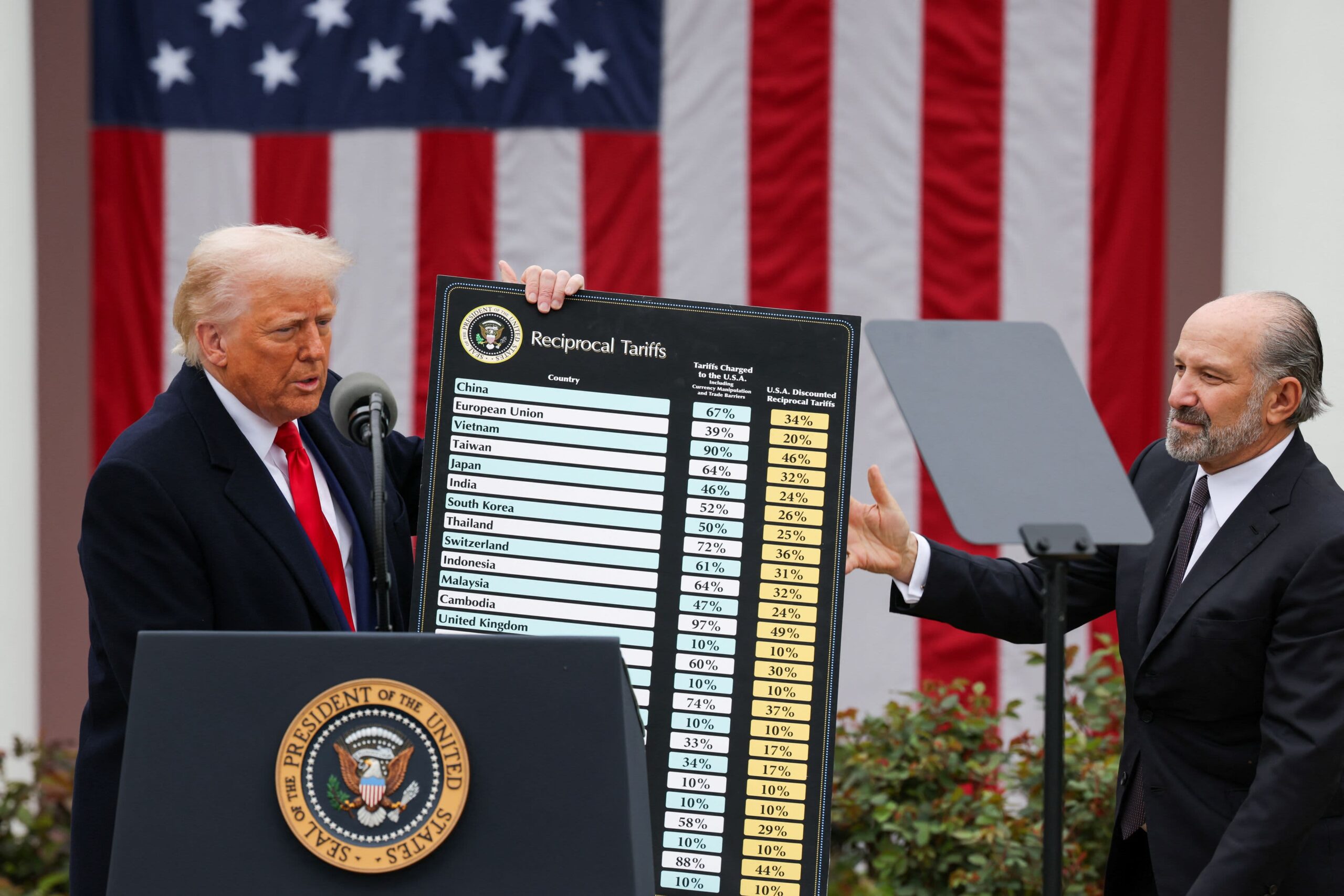
In 2025, U.S. retailers are grappling with a seismic shift in trade policy as new tariffs, spearheaded by the Trump administration, take effect. These tariffs, including a 10% universal tariff on all imports and higher rates on specific countries like China (up to 245%), Canada (25%), and Mexico (25%), are reshaping the retail landscape. Retailers, from global giants like Walmart to small mom-and-pop stores, are sounding the alarm about rising costs, supply chain disruptions, and the inevitable ripple effects on consumers. This article dives deep into what retailers are saying, how they’re responding, and what it means for shoppers like you.
Why Tariffs Matter to Retailers
Tariffs are taxes imposed on imported goods, paid by U.S. importers like retailers, not foreign exporters. With 70.9% of U.S. retailers’ inventory coming from imports, these taxes hit hard. Retailers face a tough choice: absorb the costs and risk razor-thin margins or pass them on to consumers through higher prices. The stakes are high, as the National Retail Federation (NRF) estimates tariffs could cost Americans $78 billion in annual spending power.
The Scale of the 2025 Tariffs
The 2025 tariffs are unprecedented in scope. A 10% baseline tariff applies to most global imports, with exemptions for Canada and Mexico under the USMCA trade agreement. China faces tariffs as high as 245% on certain goods, while Canada and Mexico see 25% duties on non-exempt products. The average tariff rate has jumped from 2.5% in 2024 to 11.5% in 2025, the highest since 1943.
Retail’s Heavy Reliance on Imports
Retailers depend on imported goods for everything from clothing to electronics. For example, 48.3% of products sold by major U.S. retailers come from China, and Mexico supplies 34% of imported meat. These tariffs disrupt supply chains, increase costs, and threaten product availability, forcing retailers to rethink sourcing and pricing strategies.
What Retailers Are Saying: Voices from the Industry
Retailers across sectors are vocal about the challenges posed by tariffs. From earnings calls to public statements, here’s what industry leaders are saying about navigating this new reality.
Walmart: Balancing Costs and Customer Value
Walmart, the world’s largest retailer, has warned that tariffs will force price hikes. CEO John Furner emphasized the company’s focus on keeping project costs (e.g., home improvement supplies) affordable but noted that “tariff rates are significantly higher” than earlier in 2025. Walmart is exploring cost-sharing with suppliers but expects consumers to bear some of the burden.
Nike: Surgical Price Increases
Nike anticipates $1 billion in additional tariff costs for its 2026 fiscal year. CFO Matthew Friend announced a “surgical price increase” starting in fall 2025, targeting specific products to offset costs without alienating customers. This targeted approach aims to protect Nike’s brand value while navigating higher import costs.
Adidas: Global Price Adjustments
Adidas CEO Bjorn Gulden confirmed that tariffs will “directly increase the cost of our products for the U.S.” The company plans to spread cost increases globally, with “low-single-digit” price hikes across markets to avoid drastic U.S.-only increases. This strategy aims to minimize sales disruptions but could fuel inflation elsewhere.
Shein and Temu: E-Commerce Under Pressure
Chinese e-commerce giants Shein and Temu, reliant on low-cost imports, announced price adjustments starting April 25, 2025, due to “changes in global trade rules.” The end of the de minimis exemption, which allowed tariff-free imports under $800, has hit these retailers hard, potentially eliminating $50 billion in sales.
Small Retailers: Struggling to Survive
Small retailers, with profit margins of 2-4%, face existential threats. Many lack the resources to absorb tariff costs or diversify supply chains. The NRF notes that small businesses will likely pass costs to consumers, risking customer backlash and reduced sales. Some are already pausing overseas orders due to unpredictable costs.
The Consumer Impact: Higher Prices and Fewer Choices
Retailers are clear: tariffs will hit your wallet. The Tax Foundation estimates an average tax increase of $1,304 per U.S. household in 2025, with prices for clothing (37%), produce (7%), and cars (12%) expected to rise sharply. Consumers may also face fewer product options as retailers cut imports to avoid high tariffs.
Everyday Goods Getting Pricier
- Clothing: A $50 pair of athletic shoes could cost $59-$64.
- Food: Fresh produce prices may rise 7%, with cereals and grains up 6.6%.
- Electronics: iPhones, mostly made in China, could see price hikes unless Apple shifts production.
- **