
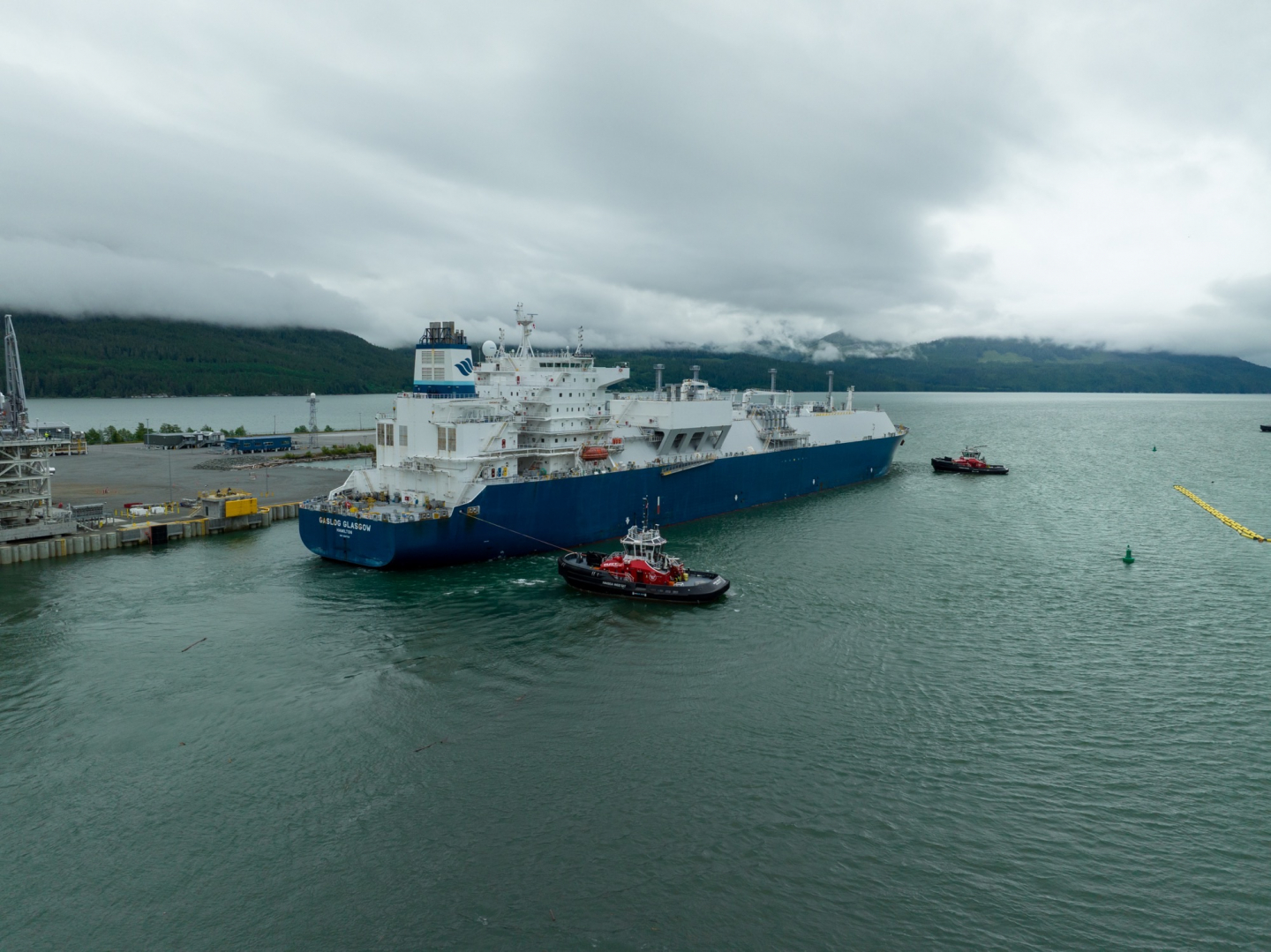
The LNG Boom: A Bold Bet Against the Odds
Energy supermajors like Shell, ExxonMobil, and TotalEnergies are pouring billions into liquefied natural gas (LNG), even as analysts predict a peak in gas demand by 2030. It’s a high-stakes gamble that’s raising eyebrows, but these industry giants see LNG as a cornerstone of the global energy transition. Let’s unpack why they’re so confident and what it means for the future.
What Is LNG, and Why Does It Matter?
Liquefied natural gas is natural gas cooled to -162°C, transforming it into a liquid for easier storage and transport. It’s a cleaner-burning fuel than coal or oil, making it a key player in the shift toward lower-carbon energy. Supermajors are banking on LNG to bridge the gap between fossil fuels and renewables, especially in regions hungry for reliable energy.
The Global Energy Landscape: A Shifting Puzzle
The world’s energy needs are evolving. Developing nations in Asia and Africa are driving demand for affordable, accessible power, while Europe seeks alternatives to Russian gas. LNG’s flexibility—shipped globally without pipelines—makes it a go-to solution. Despite forecasts of declining demand, supermajors see a long-term role for LNG in balancing energy security and sustainability.
Peak Gas Predictions: Fact or Fiction?
The International Energy Agency (IEA) predicts gas demand will plateau by the end of the decade due to renewables and energy efficiency. Yet, supermajors like BP and Chevron are skeptical, pointing to rising electricity needs from AI data centers and industrial growth. They argue that LNG’s reliability trumps the intermittency of wind and solar, at least for now.
Why Supermajors Are Doubling Down on LNG
Shell’s Strategic Pivot to LNG
Shell, a global LNG leader, has made the super-cooled fuel a centerpiece of its energy transition strategy. With projects in 10 countries and a focus on expanding capacity, Shell expects LNG to remain profitable for decades. Their confidence stems from disciplined capital budgeting and long-term contracts that lock in demand.
ExxonMobil and Chevron: The U.S. Powerhouses
ExxonMobil aims to double its LNG portfolio by 2030, while Chevron is expanding facilities in the U.S. and Australia. Both companies are leveraging America’s shale gas boom to become top exporters. Their investments reflect a belief that global demand, especially in Asia, will outpace peak gas predictions.
TotalEnergies: A 50% Growth Ambition
France’s TotalEnergies is targeting a 50% increase in LNG volumes by 2030, blending its own projects with trading partnerships. Their strategy hinges on LNG’s role as a “transition fuel” that emits less CO₂ than coal. TotalEnergies is also investing in carbon capture to align with sustainability goals.
BP’s U-Turn Back to Fossil Fuels
BP recently shifted gears, scaling back renewables to focus on high-margin oil and gas, including LNG. Their new project off Senegal and Mauritania aims to create an LNG hub in West Africa. BP’s move reflects a pragmatic view: fossil fuels, especially LNG, will drive profits through 2050.
The Risks of Betting on LNG
Peak Demand Concerns
The IEA and climate-focused think tanks warn that gas demand could decline as renewables scale up. If true, supermajors risk stranded assets—expensive LNG facilities with no buyers. Projects often run for 30–40 years, so today’s investments must remain viable past 2040.
Geopolitical and Market Volatility
Geopolitical tensions, like the Russia-Ukraine conflict, have spiked LNG prices and demand. But volatility cuts both ways—oversupply could crash prices by 2030. Supermajors must navigate trade tensions, sanctions, and shifting policies, especially in Europe and Asia.
Environmental Pushback
Critics argue that LNG’s “clean” label is misleading. Methane leaks during production and transport can offset its lower CO₂ emissions. Climate Action Tracker has called U.S. LNG expansion an “overreach” that could lock in fossil fuel reliance, clashing with net-zero goals.
The Case for LNG: Why Supermajors Are Unfazed
Rising Global Demand
Despite peak gas predictions, demand is surging in Asia, where coal-dependent nations like India and Thailand see LNG as a cleaner alternative. The World Economic Forum notes that LNG supports 30% of Thailand’s electricity, with similar trends in Indonesia and Vietnam.
AI and Data Centers: A New Demand Driver
The AI boom is a game-changer. Data centers, consuming as much power as entire countries, need reliable energy. The International Monetary Fund projects data center electricity use could rival India’s by 2030. LNG’s dispatchable power makes it a perfect fit, unlike intermittent renewables.
Energy Security in a Fractured World
Europe’s scramble to replace Russian gas has boosted LNG imports, with the U.S. now the world’s largest exporter. Supermajors see LNG as a geopolitical buffer, offering flexibility in a world of trade disputes and sanctions. Floating storage units (FSRUs) are expanding access in regions like Mexico and Latin America.
Long-Term Profitability
LNG projects are capital-intensive but lucrative. Long-term contracts with buyers in Asia and Europe ensure steady cash flow. Cheniere Energy, for example, has secured deals with PetroChina through 2050, signaling confidence in sustained demand.
Comparing LNG to Other Energy Sources
| Energy Source | Pros | Cons |
|---|---|---|
| LNG | Cleaner than coal, flexible transport, reliable power | Methane leaks, high upfront costs, long-term demand uncertainty |
| Renewables | Zero emissions, scalable, cost-competitive | Intermittent, land-intensive, storage challenges |
| Nuclear | High output, low emissions, reliable | High costs, long build times, public skepticism |
| Coal | Cheap, abundant, reliable | High emissions, declining demand, health impacts |
LNG’s edge lies in its balance of reliability and lower emissions, making it a bridge fuel as renewables mature. However, its environmental footprint remains a sticking point compared to nuclear or renewables.
Pros and Cons of LNG Investments
Pros
- Reliable Energy Source: LNG provides consistent power, critical for industrial and AI-driven demand.
- Global Reach: Ships LNG anywhere, unlike pipeline-bound gas.
- Transition Fuel: Emits less CO₂ than coal, aiding decarbonization in developing nations.
- Long-Term Contracts: Secures revenue for decades, minimizing market risk.
Cons
- Environmental Risks: Methane leaks can negate climate benefits.
- High Costs: Facilities cost billions, with long payback periods.
- Peak Demand Uncertainty: Risk of stranded assets if demand falls.
- Regulatory Hurdles: U.S. export permits face scrutiny, delaying projects.
Real-World Example: The U.S. LNG Boom
In 2024, U.S. LNG exports hit record highs, up 20% from the previous year. Projects like Plaquemines LNG and Corpus Christi Stage 3 are set to boost capacity by 2028. But not all is smooth sailing—NextDecade’s Rio Grande LNG faced a court setback over environmental concerns, highlighting the regulatory tightrope supermajors walk.
I spoke with a colleague in Houston’s energy sector who shared a story about a local LNG terminal’s impact. “The jobs are great,” he said, “but the community’s split. Some see it as economic gold; others worry about emissions and safety.” It’s a microcosm of the broader debate—LNG’s promise versus its pitfalls.
People Also Ask (PAA)
Why are energy companies investing in LNG?
Supermajors see LNG as a reliable, profitable fuel to meet growing global demand, especially in Asia and Europe. It’s a bridge between fossil fuels and renewables, offering flexibility and lower emissions than coal.
What is the future of LNG?
LNG demand is expected to grow through 2030, driven by energy security and industrial needs. However, long-term forecasts vary, with some predicting a peak due to renewables and others seeing sustained demand.
Is LNG environmentally friendly?
LNG emits less CO₂ than coal but isn’t emission-free. Methane leaks during production can offset benefits, though carbon capture technologies are improving its environmental profile.
Where can I learn more about LNG investments?
Check industry reports from Rystad Energy or the IEA for data-driven insights. For real-time updates, Reuters and OilPrice.com cover LNG trends and supermajor strategies.
Navigating the LNG Market: Tools and Resources
For those looking to dive deeper, here are the best tools for tracking LNG developments:
- Rystad Energy UCube: Offers detailed analytics on LNG projects and investments. Ideal for professionals needing granular data.
- Bloomberg Finance: Tracks LNG futures prices and shipping data, perfect for market watchers.
- IEA Reports: Free access to global energy outlooks, great for understanding long-term trends.
- Natural Gas Intelligence: Provides U.S.-focused price indices and project updates.
These tools can help investors, analysts, or curious readers stay ahead of the curve. For example, Rystad’s 2024 forecast predicts LNG investments peaking at $42 billion, a figure worth watching.
The Human Side: Why LNG Sparks Passion
I remember visiting a coastal town in Louisiana where an LNG terminal was under construction. The air buzzed with excitement—jobs were flowing, and local diners were packed with workers. But at a community meeting, a fisherman stood up, voice trembling, worried about the impact on his livelihood. “We need the money, but what about our bayou?” he asked. It’s a reminder that LNG isn’t just about numbers—it’s about people, places, and tough choices.
This tension drives the supermajors’ strategy. They’re not just chasing profits; they’re betting on a world where energy security, affordability, and sustainability coexist. It’s a bold vision, but not without risks.
FAQ: Your LNG Questions Answered
1. Why are supermajors ignoring peak gas predictions?
Supermajors believe demand will persist due to AI, industrial growth, and energy security needs, especially in Asia. They see LNG as a bridge fuel, not a short-term trend.
2. How does LNG compare to renewables?
LNG is reliable and transportable but emits CO₂ and methane. Renewables are cleaner but struggle with intermittency and infrastructure needs, making LNG a complementary option.
3. What are the biggest LNG projects right now?
Key projects include ExxonMobil’s Golden Pass LNG, Chevron’s Gorgon expansion in Australia, and BP’s Senegal-Mauritania hub. The U.S. leads with six projects under construction.
4. Is LNG a good investment?
LNG offers long-term profitability through contracts and global demand but carries risks like regulatory delays and environmental backlash. Investors should weigh market trends carefully.
5. How can I track LNG market trends?
Use platforms like Natural Gas Intelligence for price data or Rystad Energy for project insights. Following Reuters’ LNG news section is also a smart move for real-time updates.
The Road Ahead: LNG’s Role in a Changing World
Energy supermajors are playing a long game, betting that LNG’s flexibility and reliability will outweigh the risks of peak gas predictions. They’re not blind to the challenges—methane leaks, regulatory hurdles, and a vocal environmental movement keep them on their toes. But with global demand rising, especially in Asia, and new drivers like AI reshaping energy needs, their confidence seems grounded.
For readers, whether you’re an investor eyeing LNG stocks or a curious citizen wondering about the future of energy, the takeaway is clear: LNG isn’t going anywhere soon. It’s a bridge, a buffer, and a bold bet on a world that’s still figuring out how to balance growth with green. Keep an eye on the supermajors—they’re not just following the market; they’re shaping it.
For more insights, visit Rystad Energy for project data or EIA.gov for U.S. energy statistics. Want to invest? Check out Cheniere Energy’s investor page for a deep dive into LNG opportunities.