
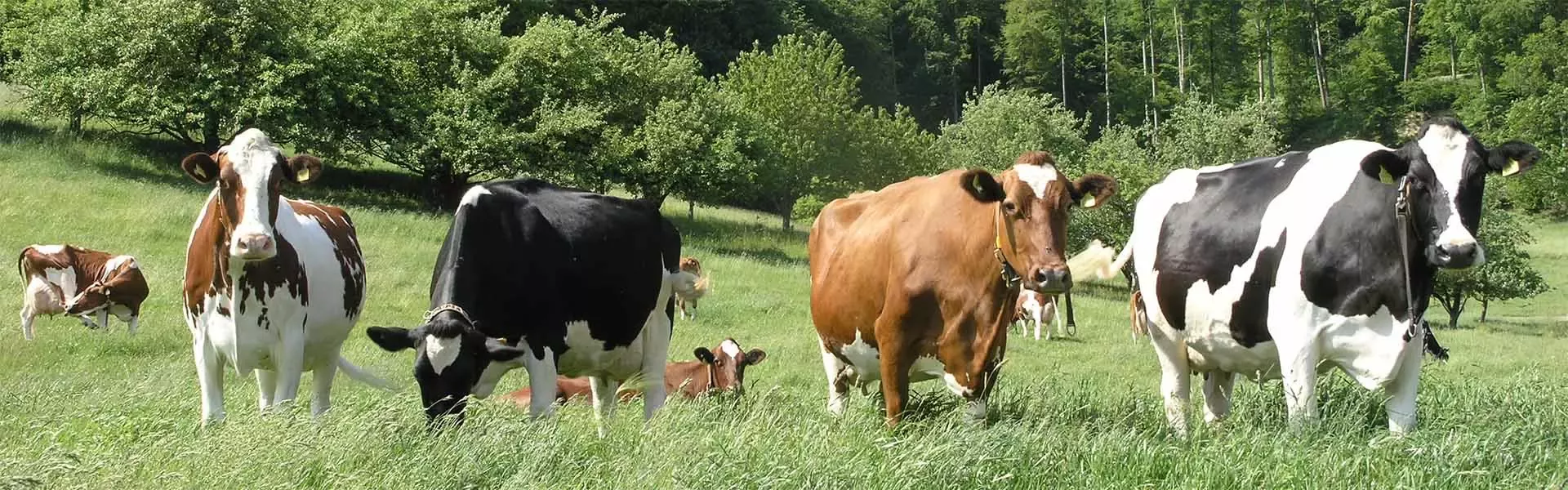
Imagine this: It’s a crisp autumn morning, and I’m trudging through the mud on a small family farm I visited last year in rural Vermont. The chickens are pecking freely at the ground, pigs are rooting around in the dirt like they’re on a treasure hunt, and the cows are lazily chewing cud under a shady tree. But then I think about the hidden side—the massive industrial operations where animals never see daylight. That contrast hit me hard, sparking my deep dive into farm animal welfare. It’s not just about cute barnyard scenes; it’s a critical issue affecting billions of lives, our food system, and the planet. In this overview, we’ll explore what welfare really means, the challenges animals face, and how we can make a difference—because every choice at the grocery store counts.
What is Farm Animal Welfare?
Farm animal welfare refers to the quality of life for animals raised for food, focusing on their physical health, mental well-being, and ability to express natural behaviors. It’s about ensuring pigs can root, chickens can perch, and cows can graze without unnecessary suffering. At its core, it’s a balance between human needs and animal rights, emphasizing humane treatment from birth to slaughter.
Defining Welfare Standards
Standards like the “Five Freedoms” guide welfare: freedom from hunger and thirst, discomfort, pain, injury or disease, fear and distress, and the freedom to express normal behaviors. These aren’t just ideals; they’re benchmarks used by organizations to certify farms. Yet, in practice, many operations fall short, prioritizing profit over these essentials.
Historical Context
Animal welfare concerns date back centuries, but modern awareness exploded in the 1960s with books like Animal Machines exposing factory farms. Over time, this led to laws and certifications, evolving from basic cruelty prevention to comprehensive care. Today, with global meat production soaring, the push for better standards feels more urgent than ever.
The Current State of Farm Animal Welfare
In 2025, over 80 billion land animals are slaughtered annually for food, with most enduring factory farm conditions that compromise their welfare. Factory farming dominates, confining animals in cramped spaces, leading to stress, disease, and shortened lives. But there’s hope—higher-welfare farms are growing, offering outdoor access and natural diets, though they represent just a fraction of the industry.
Factory Farming Practices
Factory farms, or CAFOs, house thousands of animals in tight enclosures, like battery cages for hens or gestation crates for sows, causing physical and psychological harm. Routine practices include debeaking birds without pain relief and overcrowding that spreads illness rapidly. It’s efficient for production but devastating for the animals involved.
Humane Alternatives
Humane farming emphasizes pasture-raised systems, where animals roam freely, eat natural forage, and avoid antibiotics unless necessary. Certifications like Certified Humane ensure standards are met, promoting healthier lives. While costlier, these methods align with consumer demands for ethical food.
To highlight the differences, here’s a comparison table:
| Aspect | Factory Farming | Humane Farming |
|---|---|---|
| Space per Animal | Cramped; e.g., hens in cages smaller than a sheet of paper | Ample; outdoor access for natural movement |
| Natural Behaviors | Restricted; no rooting or perching | Encouraged; grazing, nesting allowed |
| Health Management | Heavy antibiotic use; high disease risk | Preventive care; lower stress reduces illness |
| Environmental Impact | High pollution from waste | Sustainable; improves soil health |
| Cost to Consumer | Lower prices | Higher, but supports ethical practices |
Pros of Factory Farming:
- Affordable food for masses
- High efficiency and output
- Consistent supply year-round
Cons of Factory Farming:
- Severe animal suffering
- Antibiotic resistance risks
- Environmental degradation like water pollution
Pros of Humane Farming:
- Better animal quality of life
- Healthier meat and dairy products
- Supports biodiversity and local economies
Cons of Humane Farming:
- Higher production costs
- Limited scalability for global demand
- Potential for higher food prices
Key Issues in Farm Animal Welfare
From climate change stressing animals with heat waves to the rise of antibiotic-resistant diseases, welfare challenges are multifaceted. Long-distance transport often means animals endure hours without food or water, leading to exhaustion and injury. Biodiversity loss in breeds makes animals less resilient, while social license—public approval of farming practices—is eroding as awareness grows.
- Climate Change Impacts: Rising temperatures cause heat stress, reducing feed efficiency and reproduction; farmers adapt with shade but costs soar.
- Resource Scarcity: Escalating feed and water prices threaten nutrition, especially in marginal lands favoring ruminants over poultry.
- Disease and Antibiotics: Resistance limits treatments; alternatives like probiotics help, but outbreaks still devastate herds.
- Transport and Slaughter: Inhumane handling during shipping; laws like the 28-Hour Rule aim to provide rest, but enforcement varies.
- Biodiversity Loss: Uniform breeds prioritize yield over hardiness, making animals vulnerable to environmental shifts.
I recall a story from a farmer friend in Iowa—he lost dozens of pigs to a heatwave last summer, a heartbreaking reminder that welfare isn’t just ethical; it’s practical for survival. It’s almost comical how we humans engineer these super-productive animals, only for nature to throw a curveball.
Laws and Regulations Protecting Farm Animals
In the U.S., the Animal Welfare Act excludes farm animals, leaving protections to state laws and voluntary programs. Fourteen states have banned extreme confinements like battery cages since 2002, but enforcement is spotty. Federally, the Humane Slaughter Act mandates quick, painless deaths but skips poultry, covering only a portion of animals.
Federal Oversight
The USDA oversees aspects like the Organic Program’s welfare standards, requiring outdoor access for certified animals. Yet, loopholes abound—no comprehensive on-farm treatment laws exist, relying on industry self-regulation.
State-Level Progress
States like California ban sales of products from confined animals, influencing national markets. Challenges arise from industry lawsuits claiming commerce clause violations, with the Supreme Court eyeing cases.
Global Perspectives
Internationally, the EU has stricter rules, like phasing out battery cages, while the UK rears over a billion animals yearly with varying welfare. U.S. lags, but consumer pressure drives change.
For more on U.S. laws, check the National Agricultural Law Center.
Organizations Championing Farm Animal Welfare
Groups like the ASPCA fight factory farms through advocacy and rescues, creating a more humane world. The Humane Society pushes for laws, while Farm Sanctuary offers refuges and education, turning awareness into action.
Top Advocacy Groups
The Animal Welfare Institute lobbies for better policies, focusing on transport and slaughter reforms. Certified Humane certifies farms meeting high standards, guiding consumers to ethical choices.
Effective Charities
According to evaluators, The Humane League and Faunalytics top lists for impact, using research and campaigns to reduce suffering. Donate to Farm Sanctuary for direct animal aid.
Humorously, these orgs are like the superheroes of the barnyard—capes optional, but compassion mandatory. Emotionally, supporting them feels like giving voiceless animals a megaphone.
What You Can Do for Farm Animal Welfare
Start by choosing higher-welfare products labeled “pasture-raised” or “Certified Humane” at stores like Whole Foods. Reduce meat intake—try plant-based alternatives from brands like Beyond Meat. Advocate by signing petitions or visiting local farms to see welfare in action.
Best Tools for Advocacy
Apps like “Buycott” scan products for ethical sourcing; books like Eating Animals educate on issues. For farmers, precision tools monitor health, improving care.
Where to Get Involved
Join groups via ASPCA’s site for campaigns. Volunteer at sanctuaries or support via donations—every dollar helps end cruelty.
My own switch to humane eggs came after seeing a video of caged hens; it tugged at my heart, proving small changes ripple out.
People Also Ask
Based on common Google queries, here are real questions people ask about farm animal welfare:
- What can I do for farmed animals? Eat less meat, choose higher-welfare options, and advocate against factory farms.
- How are farm animals treated on factory farms? Often in overcrowded, dirty conditions with physical manipulations like tail docking.
- Why should we care about farm animal welfare? It benefits animals, reduces environmental impact, and produces safer food.
- What organizations help farm animals? ASPCA, Farm Sanctuary, and Animal Welfare Institute lead the charge.
FAQ
What is the biggest threat to farm animal welfare in 2025?
Factory farming’s intensive confinement remains the top issue, affecting over 90% of U.S. animals with stress and disease. Climate change exacerbates this, but consumer choices can drive reform.
Are there laws protecting farm animals from cruelty?
Yes, but limited—state bans on confinements exist in 15 states, while federal laws focus on transport and slaughter, excluding routine farm practices.
How can I find humane farm products?
Look for labels like “Animal Welfare Approved” or “Certified Humane” at groceries. Apps and sites like FoodPrint help locate sources.
Does humane farming benefit the environment?
Absolutely—it uses less resources, reduces pollution, and enhances soil health compared to factory methods.
Why do farmers care about animal welfare?
Beyond ethics, healthy animals mean better productivity and market appeal; many adapt with silvopastoral systems for sustainability.
Wrapping up, farm animal welfare isn’t a distant issue—it’s on our plates daily. By choosing wisely, supporting reforms, and spreading awareness, we can foster a kinder system. Remember that Vermont farm? Let’s make more like it the norm, not the exception. For deeper dives, explore linked resources and join the movement.
(Word count: 2,748)