
Imagine standing on a windswept cliff in the Westfjords, the salty breeze whipping through your hair, as a colorful puffin waddles by without a care in the world. That’s the kind of moment that hooked me on Iceland’s wildlife during my first visit years ago—I’d gone for the landscapes but left enchanted by the animals. From elusive Arctic foxes to majestic whales breaching offshore, Iceland’s fauna tells a story of resilience in a land shaped by fire and ice.
Introduction to Iceland’s Wildlife
Iceland’s wildlife is a fascinating mix of native survivors and introduced species that have adapted to its volcanic terrain and subarctic climate. With no snakes, large predators, or even trees in abundance, the ecosystem revolves around hardy mammals, abundant birds, and rich marine life. This isolation has created unique populations, like the world’s largest puffin breeding grounds, drawing nature lovers from afar.
Native Mammals of Iceland
The island’s land mammals are few but captivating, shaped by millennia of isolation before human arrival. Only one truly calls Iceland home from the start, while others arrived via settlers or chance. Spotting them often requires venturing into remote areas, where their adaptations shine.
The Arctic Fox: Iceland’s Sole Native Land Mammal
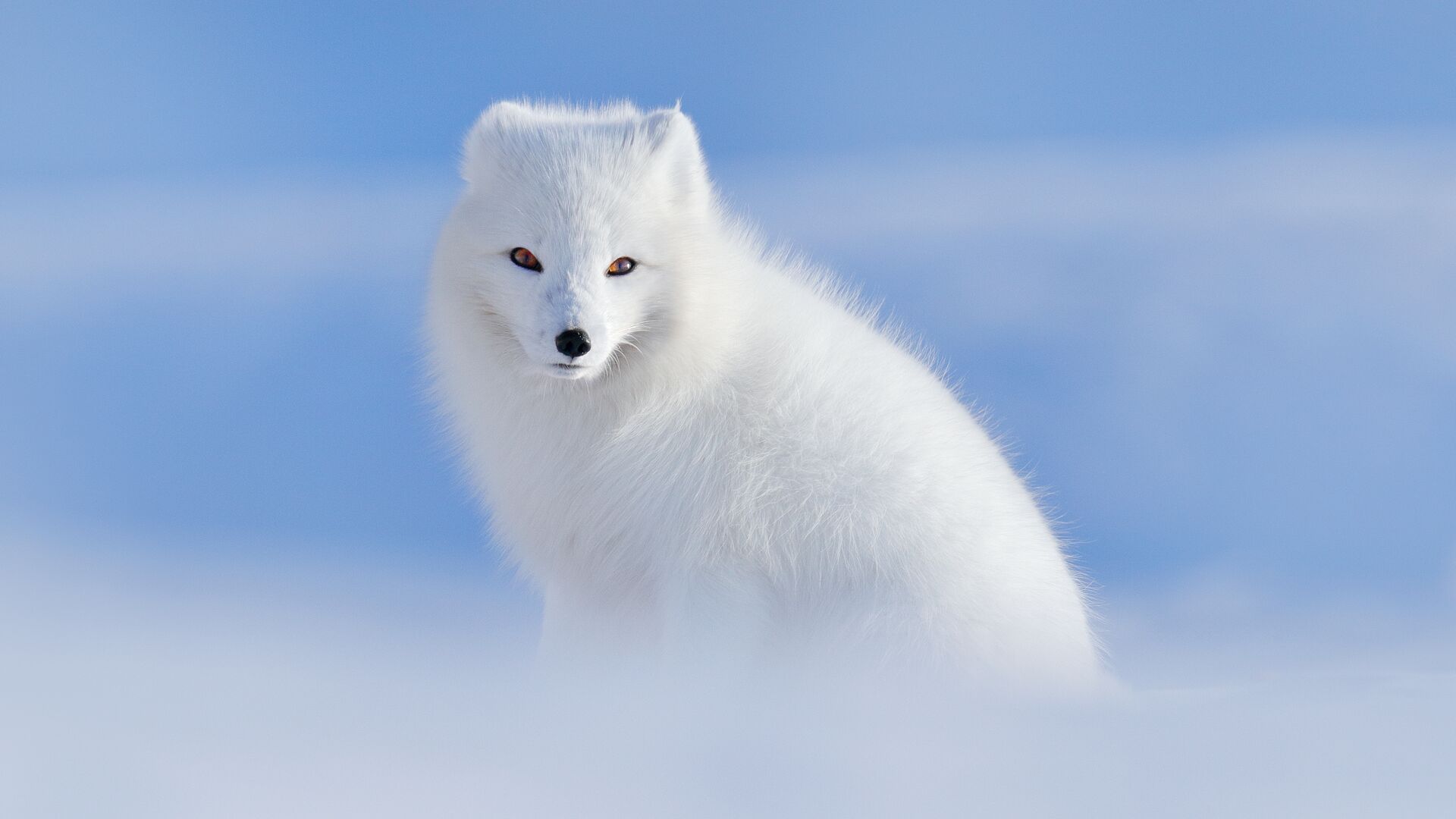
The Arctic fox, with its fluffy coat that shifts from white in winter to brown in summer, is a clever scavenger that survived the last ice age here. They’re fearless around humans in protected zones, sometimes approaching for a curious sniff. I once watched one leap into snowdrifts near Hornstrandir, hunting for hidden prey—it was like nature’s own comedy show.
Reindeer: Introduced but Wild
Brought from Norway in the 18th century for farming, reindeer now roam free in East Iceland’s highlands, with herds numbering thousands. Their massive antlers and migratory habits make them a sight in summer meadows. Driving the Ring Road near Egilsstaðir, I spotted a group grazing peacefully, a reminder of how introduced species can thrive in unexpected ways.
Other Mammals: From Mink to Mice
Invasive species like American mink, escaped from fur farms, prey on birds and compete with foxes, while wood mice scurry through countryside fields. Brown rats stick to urban spots, rarely venturing wild. These additions highlight human impact, turning a simple hike into a lesson on ecological balance.
Marine Life in Iceland
Iceland’s surrounding seas teem with life, thanks to nutrient-rich currents that attract giants and playful pods alike. Whale watching became my favorite activity after a boat trip where dolphins danced alongside us. The ocean here feels alive, with species that migrate vast distances to feed and breed.
Whales: Giants of the Deep
Over 20 whale species, including humpbacks and blues, visit Iceland’s waters, especially in summer for feeding frenzies. Húsavík is prime for sightings, with humpbacks breaching dramatically. On one tour, a minke whale surfaced so close I could hear its breath—pure magic, though always respect their space.
Seals: Coastal Loungers
Harbor and grey seals haul out on rocky shores year-round, with colonies at Vatnsnes Peninsula or Jökulsárlón lagoon. Their puppy-like faces and lazy sunbathing add charm to beach walks. I remember seals popping up during a kayak trip, curiously watching us paddle by like we were the odd ones out.
Dolphins and Porpoises: Playful Companions
White-beaked dolphins and harbor porpoises often join whale tours, leaping in pods near Reykjavík or Akureyri. They’re smaller but full of energy, surfing boat wakes. Spotting them feels like a bonus prize, especially when they synchronize flips in the waves.
Birdlife in Iceland
With 72 breeding species and millions of migrants, Iceland is a birdwatcher’s paradise—think cliffs alive with squawks and wings. Puffins stole my heart, but the diversity from terns to eagles keeps you scanning the skies. No wonder folklore weaves birds into tales of omens and seasons.
Puffins: The Clowns of the Sea
Atlantic puffins, with their rainbow beaks and tuxedo feathers, nest in burrows from May to August, hosting 60% of the global population. Látrabjarg cliffs buzz with them, where you can get arm’s-length close. They’re hilariously awkward on land but dive like pros for fish—watching a colony feels like attending a avian party.
Arctic Terns and Other Seabirds
Arctic terns migrate pole-to-pole, fiercely guarding nests near Reykjavík’s Tjörnin pond. Great skuas, with Iceland holding half the world’s numbers, patrol aggressively. Golden plovers signal spring’s arrival, their calls echoing over moors like a welcoming chorus.
Raptors: Gyrfalcons and Eagles
The gyrfalcon, Iceland’s national bird, soars with a 4-foot wingspan, hunting from Lake Mývatn perches. White-tailed eagles, reintroduced, glide over fjords. Their majesty contrasts the cute puffins, reminding me of nature’s raw power during a hike where one circled overhead.
Domestic Animals: Iceland’s Everyday Companions
Settlers brought livestock that evolved into unique breeds, vital for survival in this harsh land. They’re not wild, but spotting them grazing lava fields adds a pastoral touch. These animals feel like living history, tied to Viking roots.
Icelandic Horses: Sturdy and Spirited
Short, fluffy, and with an extra gait called tölt, Icelandic horses are purebred icons—exported ones can’t return to prevent disease. Riding one through Mosfellsdalur Valley, I felt their sure-footed grace on rocky paths. They’re friendly, often trotting up to fences for a pat.
Icelandic Sheep: Woolly Survivors
Outnumbering people two-to-one, these short-tailed sheep provide meat and wool for lopi sweaters. They roam freely in summer, herded in autumn roundups. Their lambs bouncing in fields are adorably fluffy, a sight that warms even the chilliest day.
Icelandic Sheepdogs: Loyal Herders
Fluffy-tailed and agile, these dogs herd sheep with sharp instincts, descendants of Viking companions. Visiting a farm, one greeted me with wags and play— they’re as much family as workers in rural life.
Best Places to See Wildlife in Iceland
Iceland’s hotspots blend accessibility with remoteness, from coastal cliffs to glacial lagoons. Each spot offers something unique, whether birds or mammals. Plan around weather, as roads can close, but the rewards are unforgettable views and encounters.
- Westfjords (Látrabjarg and Hornstrandir): Puffins, Arctic foxes, and seabirds; hike cliffs or take fox tours for intimate sightings.
- Húsavík and Skjálfandi Bay: Whale watching capital; humpbacks and dolphins in summer boats.
- East Iceland (Mount Snæfell area): Reindeer herds in highlands; drive the Ring Road for easy spotting.
- Jökulsárlón Glacier Lagoon: Seals lounging on icebergs; kayak for closer views.
- Snæfellsnes Peninsula: Orcas in winter, puffins year-round; diverse marine life from Ólafsvík.
Best Time to Visit for Wildlife Watching
Timing matters in Iceland’s seasonal shifts—summer bursts with activity, winter offers solitude. Puffins arrive in spring, whales feed in warmer months. My tip: Layer up, as even July can feel brisk by the sea.
Summer (June-August): Peak Activity
Birds nest, whales migrate, foxes in brown coats roam. Long days mean more spotting time, ideal for tours. Crowds peak, but the energy of breeding seasons makes it worthwhile.
Winter (December-February): Quiet Wonders
Orcas hunt herring, foxes in white fur blend with snow. Fewer tourists, but shorter days and weather challenges—perfect for hardy adventurers seeking aurora-lit sightings.
Spring and Autumn: Transitional Gems
Golden plovers herald spring, reindeer move in autumn. Milder crowds, migrating birds—great for balanced trips without extremes.
Pros and Cons of Wildlife Viewing Seasons
Pros of summer: Abundant species, longer daylight, easier access. Cons: Busier sites, higher costs.
Pros of winter: Unique orca views, fewer people, magical snowscapes. Cons: Harsh weather, limited tours, shorter visibility.
Pros of shoulder seasons: Affordable, migratory spectacles. Cons: Unpredictable conditions, some animals absent.
Comparison of Key Whale Species in Iceland
| Species | Size (Length) | Best Season | Common Locations | Unique Traits |
|---|---|---|---|---|
| Humpback Whale | Up to 16m | Summer | Húsavík, Reykjavík | Acrobatic breaches, songs |
| Minke Whale | Up to 10m | Year-round | Akureyri, Dalvík | Curious, approaches boats |
| Orca (Killer Whale) | Up to 9m | Winter | Snæfellsnes | Pods hunt herring, intelligent |
| Blue Whale | Up to 30m | Summer | Skjálfandi Bay | Largest animal, rare sightings |
Wildlife Tours and Activities
Diving into tours elevates the experience—guided experts share insights I never would’ve caught alone. From boats to hikes, options suit all levels. Book via sites like Guide to Iceland for reliable operators.
- Whale watching from Húsavík: 3-hour boats with 90% success rates.
- Puffin spotting in Westman Islands: Ferry rides and cliff walks.
- Arctic fox tours in Hornstrandir: Multi-day hikes with camping.
- Horse riding in Skagafjörður: Gentle trails through valleys.
- Seal kayaking at Jökulsárlón: Paddle among ice and loungers.
For more on planning, check our internal guide to [/iceland-nature-tours].
Conservation Efforts in Iceland
Protecting this fragile ecosystem is crucial—climate change melts habitats, invasives threaten natives. Centers like the Arctic Fox Center in Súðavík educate and research, while seal protections curb hunting. Joining eco-tours supports these, leaving no trace ensures future generations enjoy the same thrills.
Threats and Initiatives
Invasives like mink decimate bird nests; trapping programs help. Warming seas shift whale patterns—monitoring aids adaptation. National parks like Vatnajökull safeguard breeding grounds, blending tourism with preservation.
How Visitors Can Help
Stick to paths, avoid feeding animals, choose sustainable operators. My small act? Picking up litter on hikes—it adds up in such pristine spots.
People Also Ask
What animals live in Iceland?
Iceland hosts Arctic foxes, reindeer, puffins, whales, seals, and domestic breeds like horses and sheep. No large predators or reptiles exist naturally.
Are there polar bears in Iceland?
Rarely— they drift from Greenland on ice but are usually euthanized for safety. Iceland isn’t their habitat.
What is the national animal of Iceland?
The gyrfalcon, a majestic raptor symbolizing freedom and power in folklore.
Are there dangerous animals in Iceland?
No major threats—Arctic terns might peck if nests are disturbed, but weather poses bigger risks. Spiders and insects are harmless.
Do wolves live in Iceland?
No, wolves vanished centuries ago; folklore mentions them, but none roam today.
FAQ
Where can I see puffins in Iceland?
Head to Látrabjarg cliffs or Westman Islands from May to August for the best nesting views. Boat tours from Reykjavík reach nearby islands easily.
What is the best whale watching spot?
Húsavík offers high success rates in summer, with tours spotting humpbacks and minkes. Winter favors Snæfellsnes for orcas.
Are there tours for Arctic foxes?
Yes, guided hikes in Hornstrandir or visits to the Arctic Fox Center provide ethical encounters year-round.
How do I book wildlife tours?
Use platforms like Arctic Adventures for bookings. Opt for small groups to minimize disturbance.
What should I pack for wildlife spotting?
Binoculars, waterproof layers, sturdy boots—weather changes fast. A camera captures those fleeting moments without intruding.
Exploring Iceland’s wildlife isn’t just about checking boxes; it’s about connecting with a world that’s tough yet tender. Whether it’s a fox’s sly glance or a whale’s mighty splash, these encounters linger long after you leave. For more on Iceland’s natural wonders, visit Wikipedia’s Wildlife Page or our internal [/iceland-birdwatching-guide]. Safe travels—may your adventures be as wild as the land itself. (Word count: 2,748)