
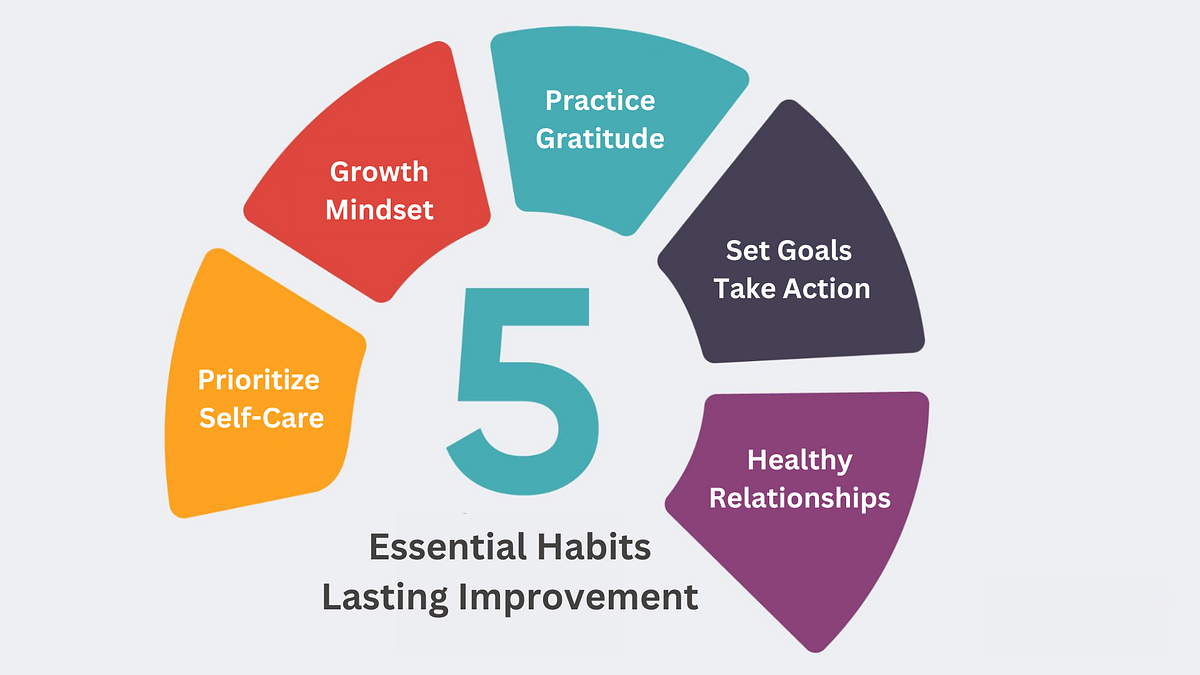
Self-help gurus like Tony Robbins, Deepak Chopra, and Stephen Covey don’t just inspire millions with their words—they live by intentional daily habits that fuel their success, clarity, and impact. These practices aren’t magic; they’re grounded in discipline and a commitment to growth. In this article, we’ll uncover five daily habits that self-help gurus consistently practice, backed by research, real-world examples, and actionable steps you can integrate into your life. Whether you’re chasing personal growth, better mental health, or a more fulfilling career, these habits will help you build a foundation for lasting change.
Why Daily Habits Matter for Personal Growth
Habits shape who we are. Research shows that 40–50% of our daily actions are habitual, meaning small, consistent choices can transform our lives over time. Self-help gurus understand this and use daily routines to stay grounded, productive, and aligned with their goals. Let’s dive into the five habits they swear by.
Habit 1: Mindful Morning Routines
Every self-help guru starts their day with intention. A mindful morning routine—whether it’s meditation, journaling, or a gratitude practice—sets the tone for clarity and focus. Tony Robbins, for example, begins with a “priming” ritual that combines breathing exercises, visualization, and gratitude to align his mind and body.
This habit isn’t just for gurus. A 2018 study found that morning routines, like mindful breathing, improve mood and reduce anxiety, giving you a mental edge for the day. By carving out 10–15 minutes each morning, you can create a ripple effect of positivity and productivity.
How to Build a Mindful Morning Routine
Starting your day mindfully doesn’t require hours. Here’s how to make it work:
- Set a consistent wake-up time: Even 15 minutes earlier gives you space for intentionality.
- Choose one practice: Try 5 minutes of meditation using apps like Headspace or a gratitude journal.
- Avoid screens: Keep your phone off for the first 30 minutes to stay focused.
- Reflect on your goals: Visualize one thing you want to achieve today.
Pro Tip: If you’re new to this, start with just one minute of deep breathing. As @Indra_Bartona shared on X, “Take a few deep breaths and stretch” to check in with yourself physically and emotionally.
Tools for a Mindful Morning
| Tool | Description | Where to Get It |
|---|---|---|
| Headspace | Guided meditation app with 5–10-minute sessions | headspace.com or app stores |
| The Five Minute Journal | Structured journal for gratitude and goal-setting | intelligentchange.com |
| Calm | Meditation and sleep stories for beginners | calm.com |
Habit 2: Lifelong Learning and Skill-Building
Self-help gurus never stop learning. Whether it’s reading, listening to podcasts, or taking courses, they dedicate time daily to expand their knowledge. Stephen Covey, author of The 7 Habits of Highly Effective People, emphasized learning as a core habit, encouraging 20 minutes of daily reading or skill-building.
A 2023 study from Kokan NGO India highlights that “mindful learning”—absorbing new information daily—boosts mental clarity and sets a powerful example for others. For gurus like Deepak Chopra, this might mean studying spiritual texts, while for others, it’s mastering a new skill like public speaking.
How to Make Learning a Daily Habit
You don’t need a PhD to learn like a guru. Here’s how to start:
- Read 10 pages daily: Books like Think and Grow Rich by Napoleon Hill are guru favorites.
- Listen on the go: Podcasts like The Tim Ferriss Show offer insights from top performers.
- Take micro-courses: Platforms like Coursera or Udemy offer short, affordable classes.
- Track progress: Use apps like Evernote to jot down key takeaways.
Fun Fact: I once committed to reading one book a month, thinking it’d be a slog. By month three, I was hooked, devouring biographies and psychology texts. It’s like my brain got a daily espresso shot!
Best Resources for Lifelong Learning
| Resource | Type | Cost | Where to Access |
|---|---|---|---|
| Coursera | Online courses | Free–$99 | coursera.org |
| Audible | Audiobooks | $14.95/month | audible.com |
| Blinkist | Book summaries | $8.33/month | blinkist.com |
Habit 3: Physical Well-Being as a Foundation
Self-help gurus know that a healthy body fuels a sharp mind. Tony Robbins swears by daily exercise, often incorporating high-intensity workouts or cold plunges to boost energy. A 2020 Harvard study found that regular physical activity, even 20 minutes of walking, extends life expectancy and reduces disease risk.
Take my friend Sarah, who started walking 15 minutes daily after reading The Power of Habit. She lost 10 pounds in six months and says her focus at work skyrocketed. Physical health isn’t just about looking good—it’s about feeling unstoppable.
Simple Ways to Prioritize Physical Health
Incorporate movement into your day with these steps:
- Start small: Try a 10-minute walk or desk stretches if you’re office-bound.
- Hydrate first thing: Drink a glass of water upon waking to rehydrate.
- Eat mindfully: Add one serving of vegetables to lunch or dinner.
- Find accountability: Partner with a friend for workouts, as suggested in Develop Good Habits.
Pros of Daily Exercise:
- Boosts mood and energy
- Reduces stress and anxiety
- Improves focus and productivity
Cons:
- Time commitment
- Initial discomfort for beginners
Comparison: Exercise Options for Busy People
| Activity | Time Required | Benefits | Equipment Needed |
|---|---|---|---|
| Brisk Walking | 15–30 min | Heart health, low impact | None |
| Yoga | 10–20 min | Flexibility, mental calm | Yoga mat |
| HIIT | 10–15 min | High calorie burn | None |
Habit 4: Giving Back to Others
Self-help gurus don’t just focus on themselves—they give back. Whether it’s mentoring, volunteering, or sharing knowledge, giving is a core habit. Sri Sri Ravi Shankar, founder of the Art of Living Foundation, emphasizes that giving fosters purpose and connection. At Kokan NGO India, they’ve seen how small acts of giving create a “virtuous cycle” of personal and community growth.
I learned this firsthand when I volunteered at a local literacy program. Teaching adults to read wasn’t just rewarding—it shifted my perspective on gratitude and purpose. Gurus like Malala Yousafzai show that giving back, even in small ways, fuels personal growth.
How to Incorporate Giving Back
You don’t need to start a foundation to give. Try these:
- Volunteer locally: Spend an hour a month at a community center.
- Share knowledge: Mentor a colleague or create a blog post.
- Small acts count: Pay for a stranger’s coffee or donate to a cause.
- Join a community: Platforms like VolunteerMatch connect you to opportunities.
Pro Tip: As Zig Ziglar said, “You can have everything in life you want, if you will just help enough other people get what they want”.
Habit 5: Reflective Evening Practices
Gurus end their day with reflection to process, recharge, and grow. Eckhart Tolle, author of The Power of Now, advocates journaling or meditation to stay present and release mental clutter. A 2024 study from Warwick Business School found that evening reflection, like journaling, reduces stress and improves sleep quality.
I started journaling after a tough year, scribbling thoughts before bed. It was like decluttering my mind—suddenly, I slept better and woke up clearer. Gurus use this habit to stay grounded and learn from each day.
Building an Evening Reflection Routine
End your day intentionally with these steps:
- Journal for 5 minutes: Write about one win and one lesson from the day.
- Meditate briefly: Try a 3-minute guided meditation to unwind.
- Plan tomorrow: List your top three priorities for the next day.
- Disconnect: Avoid screens 30 minutes before bed to improve sleep.
Fun Fact: Journaling doesn’t have to be perfect. My early entries were a mess—half gratitude, half grocery lists—but they still helped me process my day.
Tools for Evening Reflection
| Tool | Purpose | Where to Get It |
|---|---|---|
| Day One | Digital journaling app | dayoneapp.com |
| Insight Timer | Free guided meditations | insighttimer.com |
| Moleskine Notebook | Classic paper journal | moleskine.com |
Why These Habits Work: The Science Behind Them
Habits aren’t just feel-good rituals—they’re backed by science. A 2012 study on habit formation found that repeating a behavior in a consistent context (e.g., meditating after breakfast) takes about 66 days to become automatic. Self-help gurus leverage this by tying habits to cues, like brushing teeth or eating meals, to make them stick. Over time, these actions become part of their identity, as noted in Greater Good research on positive habits.
The key? Start small and be patient. As Jeff Olson writes in The Slight Edge, small daily actions compound into massive results. Whether it’s a morning stretch or an act of kindness, consistency is what transforms your life.
Common Challenges and How to Overcome Them
Building habits isn’t always smooth. Here are common hurdles and solutions:
- Lack of Time: Start with micro-habits, like 1-minute meditations or 5-minute walks.
- Motivation Fades: Tie habits to rewards, like a favorite podcast during walks.
- Forgetting to Act: Use cues, like placing a journal by your bed.
- Overwhelm: Focus on one habit at a time, as advised by MindSpot research.
Pro Tip: If you slip up, don’t stress. Missing a day doesn’t derail progress, per a 2018 study on habit formation.
People Also Ask (PAA)
Here are real questions from Google’s PAA section, answered concisely:
What are the daily habits of successful people?
Successful people prioritize morning routines, lifelong learning, physical health, giving back, and evening reflection. These habits, practiced consistently, build resilience and clarity.
How can I start a morning routine?
Wake up at a set time, avoid screens, and try a 5-minute practice like meditation or journaling. Apps like Headspace or The Five Minute Journal can guide you.
Why is giving back important for personal growth?
Giving back fosters empathy, purpose, and connection, which enhance mental health and fulfillment. Small acts, like volunteering, create a ripple effect.
How long does it take to form a habit?
On average, 66 days, but simpler habits (like drinking water) form faster. Consistency, not perfection, is key.
FAQ Section
Q: Can I start these habits if I’m busy?
A: Absolutely. Start with micro-habits, like 1-minute meditations or a 5-minute walk. Small actions add up over time.
Q: What’s the best habit to start with?
A: A morning routine is easiest because it sets the tone for your day. Try 5 minutes of gratitude or stretching.
Q: How do I stay motivated to keep habits?
A: Tie habits to rewards (e.g., listen to music while exercising) and track progress with apps like Griply.
Q: Do self-help gurus follow these habits perfectly?
A: No, even gurus slip up. The key is consistency, not perfection, as research shows occasional misses don’t derail habits.
Q: Where can I learn more about habit-building?
A: Check books like The 7 Habits of Highly Effective People or podcasts like The Happiness Lab. Online platforms like Coursera also offer habit-focused courses.
Putting It All Together: Your Action Plan
Ready to live like a self-help guru? Here’s a simple plan to start:
- Morning (10 min): Meditate for 5 minutes using Calm, then journal one thing you’re grateful for.
- Midday (15 min): Read 10 pages of a personal development book or listen to a podcast.
- Afternoon (20 min): Take a brisk walk or do a quick yoga session.
- Anytime (5–10 min): Perform a small act of giving, like complimenting a colleague or donating $1 to a cause.
- Evening (10 min): Reflect with a journal or 3-minute meditation to wind down.
Comparison: Guru vs. Beginner Habits
| Habit | Guru Practice | Beginner-Friendly Version |
|---|---|---|
| Morning Routine | 30-min priming (Robbins) | 5-min meditation |
| Learning | Hours of study (Covey) | 10 pages daily |
| Physical Health | Intense workouts (Robbins) | 15-min walk |
| Giving Back | Global initiatives (Shankar) | Small acts of kindness |
| Reflection | Deep meditation (Tolle) | 5-min journaling |
Final Thoughts: Small Steps, Big Impact
Self-help gurus aren’t superhuman—they’re just disciplined. By practicing mindful mornings, lifelong learning, physical health, giving back, and evening reflection, they’ve built lives of purpose and impact. You don’t need to overhaul your life overnight. Start with one habit, stay consistent, and watch the compound effect transform you. As @im_tolumichael shared on X, “Big transformations don’t happen overnight. They’re the quiet result of small things done consistently”. What’s one habit you’ll start today?