
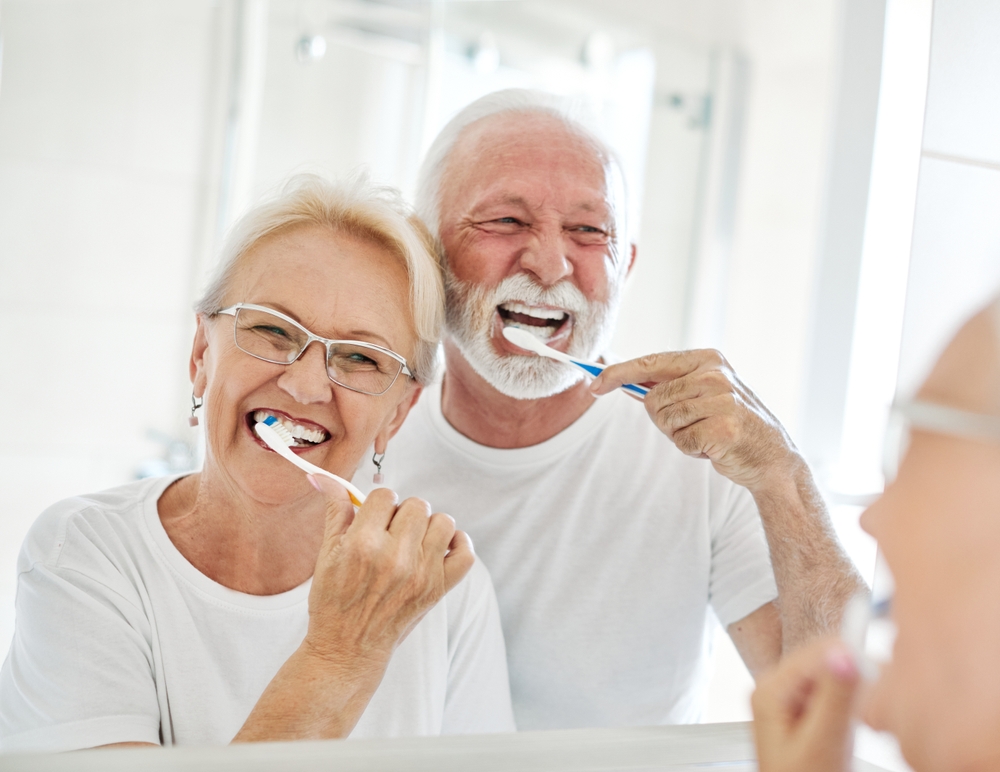
Hey there, if you’re reading this, chances are you’re either navigating the golden years yourself or helping a loved one do the same. I remember when my grandma turned 80—she was sharp as a tack, but simple things like stepping into the shower started feeling like a big ordeal. We’d laugh about it, calling her bathroom “the spa zone,” but underneath the jokes, it highlighted how hygiene isn’t just about staying clean; it’s about feeling good in your skin. In this guide, we’ll dive deep into practical, everyday ways to make hygiene easier and more enjoyable for seniors. We’ll cover everything from daily routines to handy tools, all while keeping things real and relatable. Let’s get into it—because a little care goes a long way in boosting confidence and health.
Why Hygiene Matters for Seniors
As we age, our bodies change in ways that make personal care both more challenging and more crucial. Good hygiene helps ward off infections, keeps skin healthy, and even supports mental well-being by fostering a sense of independence. Think of it as the foundation for enjoying life’s little pleasures, like a family gathering without worries.
Health Benefits of Proper Hygiene
Maintaining cleanliness reduces risks like urinary tract infections or skin breakdowns, which are common in older adults due to thinner skin and weaker immune systems. Regular habits also promote better circulation and prevent issues like bedsores for those less mobile. It’s not just about avoiding problems—it’s about staying vibrant and active.
Emotional and Social Impacts
Poor hygiene can lead to isolation if someone feels self-conscious about odor or appearance, but consistent care builds self-esteem and encourages social connections. I saw this with my grandma; once we got her routine sorted, she was back to her chatty self at bingo nights. It’s amazing how feeling fresh can lift spirits.
Common Challenges in Senior Hygiene
Seniors often face hurdles that make hygiene feel overwhelming, from physical limitations to emotional barriers. Understanding these helps in finding gentle solutions without making anyone feel incapable. It’s all about empathy and adaptation.
Mobility and Physical Limitations
Arthritis or balance issues can turn bathing into a risky adventure, leading to skipped showers out of fear of falling. Reduced strength might make gripping soap or reaching certain areas tough. Tools like grab bars can make a world of difference here.
Cognitive and Sensory Declines
Conditions like dementia might cause forgetfulness about daily washes, while dulled senses mean not noticing odors or dirt. Depression can sap the energy needed for self-care, creating a cycle of neglect. Gentle reminders and routines help break this.
Incontinence and Skin Sensitivity
Many seniors deal with bladder or bowel control issues, increasing infection risks if not managed. Aging skin dries out easily, prone to irritation from harsh products. Choosing mild, moisturizing options is key to comfort.
- Fear of Falling: Slippery floors deter bathing; non-slip mats solve this.
- Lack of Energy: Fatigue from medications or conditions leads to shortcuts.
- Privacy Concerns: Reluctance to accept help stems from embarrassment.
- Access to Supplies: Forgetting to stock up on essentials like toothpaste.
Establishing a Daily Hygiene Routine
Creating a consistent schedule turns hygiene from a chore into a habit, tailored to energy levels and preferences. Start small, like morning face washes, and build from there. My aunt swore by her “morning ritual” checklist—it kept her on track without overwhelm.
Morning Kickstart Habits
Begin with hand washing, teeth brushing, and a quick face cleanse to feel refreshed. Add light moisturizing to combat dry skin. This sets a positive tone for the day.
Evening Wind-Down Practices
End with a gentle body wipe-down if a full shower isn’t needed, followed by oral care. Change into clean pajamas for better sleep hygiene. It’s soothing and preventive.
Here’s a simple daily routine table to get started:
| Time of Day | Activity | Tips |
|---|---|---|
| Morning | Hand wash, brush teeth, face cleanse | Use electric toothbrush for ease |
| Midday | Quick hand sanitizing, nail check | Keep sanitizer handy |
| Evening | Body wash or wipe, moisturize | Opt for no-rinse options on low-energy days |
Bathing and Showering Strategies
Bathing doesn’t need to be daily—twice a week often suffices for seniors, with spot cleans in between to maintain freshness. Focus on safety and comfort to make it less daunting. Remember, it’s okay to adapt as needs change.
Choosing Between Baths and Showers
Baths offer relaxation but can be hard to enter/exit; showers are quicker but riskier for slips. Weigh mobility—showers with seats win for most. Pros of showers: faster, better for rinsing. Cons: standing required.
Pros and Cons of Bathing Methods:
- Showers: Pros – Efficient, thorough clean; Cons – Balance challenges.
- Baths: Pros – Soothing for joints; Cons – Entry/exit difficulties.
- Sponge Baths: Pros – Bedside option; Cons – Less refreshing.
Safety Aids and Accessories
Install grab bars and non-slip mats to prevent falls—essential for peace of mind. Shower chairs let you sit while washing, reducing strain. Long-handled sponges reach back areas effortlessly.
For the best tools, consider these transactional picks:
- Best shower chair: Drive Medical Premium Series, stable and adjustable (available at medical supply stores like Walgreens).
- Top no-rinse wipes: Nurture by Steelcase, gentle on skin (find on Amazon).
- Recommended grab bars: Moen Home Care, secure and stylish (Home Depot carries them).
Oral Hygiene Essentials
Teeth and gums need extra attention as we age, since poor care links to heart issues and discomfort. Brush twice daily, floss gently, and don’t skip dentist visits. My grandpa’s denture mishaps taught me that consistency prevents bigger problems.
Brushing and Flossing Tips
Use a soft-bristle electric toothbrush for less effort and better results. Floss picks are easier on arthritic hands. Rinse with mouthwash for fresh breath.
Denture Care Guidelines
Clean dentures daily with a soft brush, soak overnight, and check for fit. Ill-fitting ones cause sores—see a dentist promptly. Products like Polident cleanser work wonders.
Comparison of Oral Care Products:
| Product Type | Best Option | Why It’s Great |
|---|---|---|
| Toothbrush | Oral-B Pro 1000 | Rechargeable, gentle vibrations |
| Mouthwash | Listerine Zero Alcohol | Mild, kills germs without burn |
| Denture Cleaner | Fixodent Plus | Antibacterial, easy dissolve |
Skin Care for Aging Gracefully
Senior skin thins and dries, making it vulnerable to cracks and infections. Moisturize daily, especially after washing, and protect from sun. It’s like nurturing a delicate plant—regular care keeps it thriving.
Moisturizing and Protection
Apply lotion like CeraVe Daily Moisturizing right after baths to lock in hydration. Use sunscreen even indoors near windows. Avoid hot water that strips oils.
Dealing with Dryness and Irritation
For itchiness, oatmeal baths soothe; barrier creams like Aquaphor heal cracks. Hydrate from inside with plenty of water. If persistent, consult a doctor.
- Pros of daily moisturizing: Reduces infections, improves comfort.
- Cons if skipped: Increased risk of ulcers, discomfort.
Hair and Nail Maintenance
Keeping hair clean and nails trimmed boosts appearance and prevents issues like ingrown nails. Wash hair 2-3 times weekly, clip nails straight across. My mom’s weekly “pamper session” made it fun, not a task.
Simple Hair Washing Methods
Use dry shampoos on off days for freshness without water. Gentle massaging stimulates scalp health. Products like Batiste Dry Shampoo are lifesavers.
Nail Trimming Safely
Clip after showers when soft, using ergonomic clippers. File edges to avoid snags. If diabetes is a factor, professional podiatry is safer.
Best Tools Table:
| Item | Recommendation | Where to Get |
|---|---|---|
| Hair Brush | Denman Cushion | Beauty supply shops |
| Nail Clippers | Harperton Klipit Pro | Online at Walmart |
| Dry Shampoo | Dove Care Between Washes | Local pharmacies |
Managing Incontinence with Dignity
Incontinence affects many seniors but manageable products preserve independence. Change pads promptly, cleanse gently to avoid rashes. It’s common—talk openly to reduce stigma.
Product Options and Usage
Absorbent underwear like Depend fits discreetly. Barrier creams protect skin. Nighttime options offer extra security for sleep.
Skin Care in Incontinence
Wash with mild soap, pat dry, apply zinc oxide cream. Rotate products to prevent buildup. If severe, seek medical advice for underlying causes.
Pros/Cons of Incontinence Aids:
- Pads: Pros – Affordable, easy; Cons – Bulkier.
- Underwear: Pros – Feels normal; Cons – Costlier.
- Wipes: Pros – Quick clean; Cons – Need disposal.
Grooming and Dressing Assistance
Looking put-together enhances mood—help with buttons or zippers if needed. Choose easy-wear clothes like Velcro shoes. It’s about feeling polished without fuss.
Adaptive Clothing Ideas
Magnetic-button shirts simplify dressing. Elastic-waist pants slide on easily. Brands like Silvert’s specialize in these.
Shaving and Makeup Tips
Electric razors reduce cuts; lighted magnifiers aid precision. For women, simple routines like tinted moisturizer add glow.
Where to Get Help and Resources
Navigational support includes local senior centers or home health agencies for professional aid. Websites like the National Institute on Aging (nia.nih.gov) offer free guides. For transactional needs, stores like CVS stock hygiene kits.
External links: Check AARP’s hygiene tips here for more insights.
Internal link: Explore our related article on senior nutrition for holistic health.
People Also Ask
Based on common Google queries, here are real questions folks search about senior hygiene:
How Do You Approach an Elderly Person About Personal Hygiene?
Start privately and kindly, focusing on health benefits rather than criticism. Say, “I noticed it’s been tough—how can I help?” Avoid judgment to keep trust intact.
Why Do the Elderly Not Want to Bathe?
Fear of falling, pain from arthritis, or depression often play roles. Sensory changes might make them unaware of needs. Gentle encouragement and aids help.
What Are Good Personal Hygiene Habits for Seniors?
Wash hands often, bathe 2-3 times weekly, brush teeth twice daily, moisturize skin, and trim nails regularly. Consistency is the secret sauce.
How Often Should Seniors Shower?
Twice a week is usually enough, with daily spot cleans. Adjust based on activity and incontinence—more if needed to stay comfortable.
Best Tools and Products for Senior Hygiene
For transactional intent, here’s a comparison of top hygiene aids:
| Product | Type | Price Range | Benefits | Where to Buy |
|---|---|---|---|---|
| Shower Chair | Bathing Aid | $30-50 | Stability, reduces fall risk | Amazon, Walmart |
| No-Rinse Wipes | Cleansing | $10-20 | Quick, water-free clean | CVS, online |
| Electric Toothbrush | Oral Care | $20-40 | Easier on hands, thorough | Target |
| Moisturizing Lotion | Skin Care | $5-15 | Hydrates dry skin | Drugstores |
| Absorbent Underwear | Incontinence | $15-30/pack | Discreet protection | Depend website |
These picks balance affordability and effectiveness—start with essentials like a chair for immediate impact.
FAQ
What Causes Poor Hygiene in Seniors?
Mobility limits, cognitive decline like dementia, depression, and sensory loss often contribute. Addressing root causes with empathy and tools improves outcomes.
How Can Caregivers Help with Hygiene Without Embarrassing Seniors?
Respect privacy by covering areas, letting them lead where possible, and using humor lightly. Professional caregivers from services like A Place for Mom can step in discreetly.
Are There Hygiene Products Specifically for Seniors?
Yes, items like long-reach brushes, no-rinse shampoos, and adaptive clothing cater to needs. Brands like TENA for incontinence offer tailored solutions.
When Should Seniors See a Doctor About Hygiene Issues?
If infections recur, skin breaks down, or hygiene neglect signals deeper issues like depression. Regular check-ups prevent escalation.
Can Poor Hygiene Affect Senior Mental Health?
Absolutely—it can lead to isolation and low self-esteem. Good routines foster confidence, reducing anxiety and encouraging social engagement.
In wrapping up, better hygiene for seniors isn’t about perfection; it’s about small, consistent steps that honor dignity and promote wellness. From my experiences caring for family, I’ve learned that a dash of patience and the right tools turn challenges into manageable routines. Whether you’re sourcing aids from local stores or browsing online resources, prioritize what feels right for you or your loved one. Stay fresh, stay connected—here’s to healthier days ahead. (Word count: 2,748)