
The Big News: Canada’s Tariff Reversal
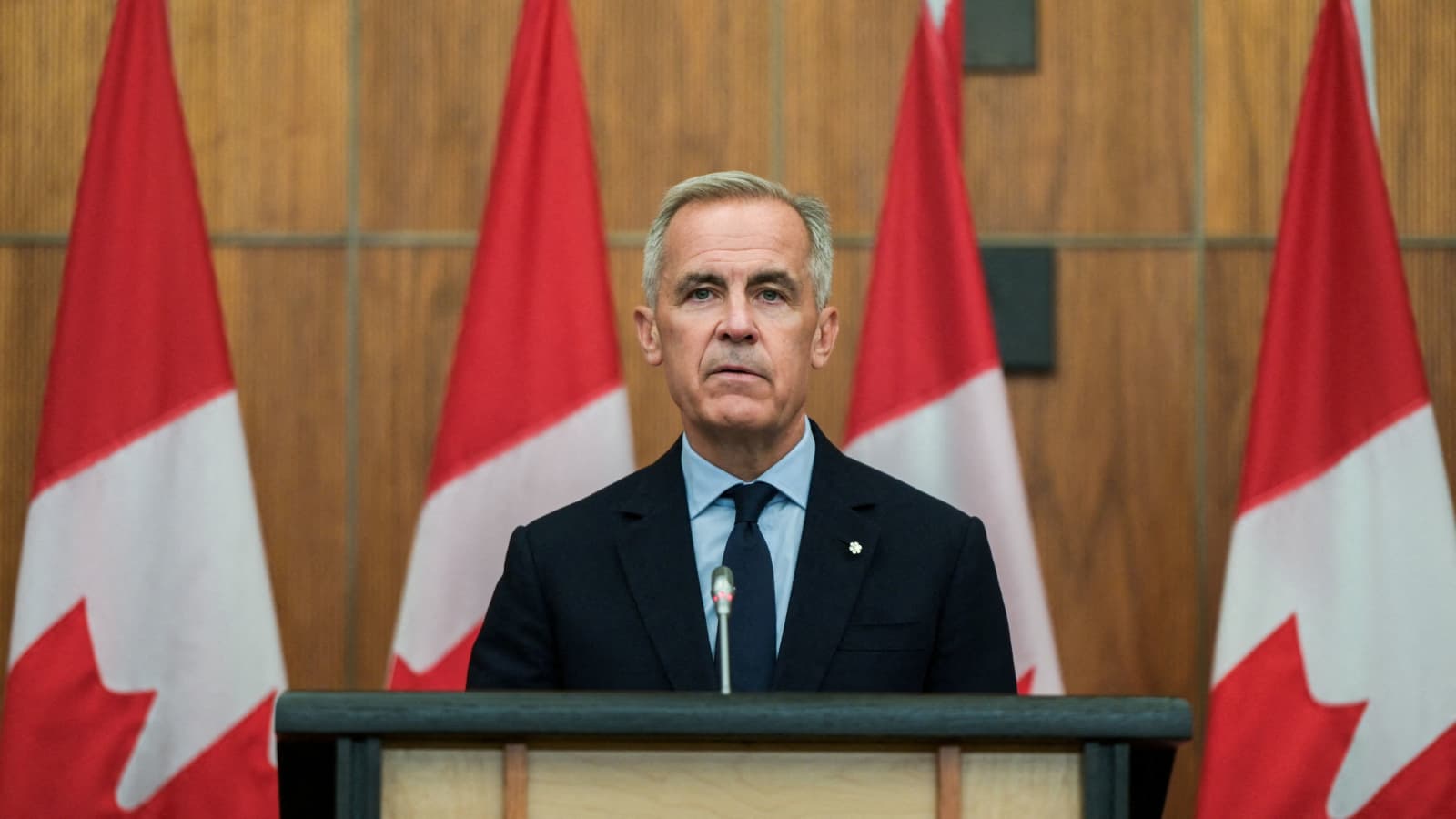
On August 22, 2025, Canadian Prime Minister Mark Carney announced a significant shift in Canada’s trade policy, dropping many retaliatory tariffs on U.S. goods compliant with the United States-Mexico-Canada Agreement (USMCA). This move, effective September 1, 2025, aims to ease tensions in the ongoing trade war with the United States and reset negotiations ahead of the 2026 USMCA review. While tariffs on key sectors like steel, aluminum, and autos remain, this decision marks a pivotal moment for cross-border relations.
Why This Matters to You
If you’re a Canadian consumer, a small business owner, or just someone keeping an eye on the economy, this news likely piqued your interest. Tariffs affect everything from the price of your groceries to the cost of manufacturing goods. By removing some of these retaliatory tariffs, Canada is signaling a willingness to de-escalate a costly trade spat with its largest trading partner. But what does this mean for your wallet, your job, or the broader economy? Let’s dive into the details.
A Personal Connection to Trade
Growing up in a small Canadian town near the U.S. border, I saw firsthand how interconnected our economies are. My uncle ran a lumber business that relied heavily on U.S. customers, and any hint of trade disruptions would send ripples through our community. When tariffs hit, prices spiked, and local businesses like his scrambled to adapt. This recent decision feels like a sigh of relief for folks like my uncle, but it’s not without controversy or complexity.
The Backstory: How We Got Here
To understand why Canada is dropping these tariffs, we need to rewind to early 2025. The U.S., under President Donald Trump, imposed steep tariffs on Canadian goods, including a 50% levy on steel and aluminum and a 25% tariff on autos. These measures, enacted under the International Emergency Economic Powers Act, were part of Trump’s broader strategy to reshape global trade and bring manufacturing jobs back to the U.S. Canada, one of only two countries (alongside China) to retaliate, hit back with 25% tariffs on $30 billion worth of U.S. goods, targeting everything from oranges to motorcycles.
The Trade War’s Toll
These tit-for-tat tariffs created a ripple effect. Canadian consumers faced higher prices for American goods, while businesses reliant on U.S. inputs struggled with increased costs. For example, a small auto parts manufacturer in Ontario told me how the tariffs forced them to raise prices, losing them a key contract with a U.S. buyer. The Canadian Federation of Independent Business (CFIB) noted that these retaliatory measures were almost as damaging to Canadian firms as the U.S. tariffs themselves.
Carney’s Strategic Pivot
Prime Minister Mark Carney, who took office in April 2025 after a campaign promising an aggressive stance against U.S. tariffs, surprised many with this decision. His “elbows up” approach—a hockey-inspired pledge to stand tough—seemed to soften as he prioritized aligning Canada’s tariff policy with U.S. exemptions under the USMCA. This move exempts most Canadian goods from U.S. tariffs, maintaining an average U.S. tariff rate of just 5.6% on Canadian exports—the lowest among U.S. trading partners.
Why Drop Tariffs Now?
Carney’s decision follows a “productive and wide-ranging” phone call with President Trump on August 21, 2025. Trump reportedly assured Carney that dropping these tariffs would kick-start broader trade talks, a critical step as the USMCA review looms in 2026. By removing tariffs on USMCA-compliant goods, Canada aims to reduce inflationary pressures at home and strengthen its negotiating position.
What Stays in Place?
Not all tariffs are gone. Canada will maintain its 25% tariffs on U.S. steel, aluminum, and autos, reflecting ongoing concerns about these strategic sectors. These remaining tariffs signal that Canada isn’t fully backing down but is instead focusing its leverage where it matters most.
The Economic Impact: Winners and Losers
This tariff rollback has far-reaching implications for both Canada and the U.S. Let’s break it down with a pros and cons list to see who stands to gain and who might feel the pinch.
Pros of Dropping Retaliatory Tariffs
- Lower Consumer Prices: Canadian shoppers will see reduced costs for USMCA-compliant U.S. goods like orange juice, clothing, and electronics, easing the burden on household budgets.
- Business Relief: Manufacturers relying on U.S. inputs, such as auto and machinery firms, will face lower costs, potentially boosting competitiveness.
- Trade Negotiation Leverage: By aligning with U.S. exemptions, Canada positions itself favorably for the 2026 USMCA review, potentially securing better terms.
- Reduced Inflation Risk: Economists note that counter-tariffs haven’t significantly driven inflation in Canada, but removing them could further stabilize prices, allowing the Bank of Canada to resume rate cuts.
Cons of Dropping Retaliatory Tariffs
- Perceived Capitulation: Critics, including Conservative leader Pierre Poilievre and Unifor president Lana Payne, argue that Carney is weakening Canada’s stance, potentially emboldening further U.S. aggression.
- Pressure on Local Producers: Cheaper U.S. goods could hurt Canadian manufacturers in sectors like agriculture and machinery, facing stiffer competition.
- Limited Reciprocity: The U.S. has not committed to removing its tariffs on Canadian steel, aluminum, or autos, leaving some sectors vulnerable.
- Political Risk for Carney: Dropping tariffs may alienate voters who supported his tough-on-Trump campaign promises, especially with the Liberals holding a minority government.
Sector-by-Sector Breakdown
To get a clearer picture, let’s examine how this decision impacts key industries, using a comparison table to highlight the stakes.
| Sector | U.S. Tariff Status | Canada’s Tariff Status | Impact on Canada |
|---|---|---|---|
| Steel & Aluminum | 50% tariff on Canadian imports | 25% retaliatory tariff remains | Ongoing strain on producers; exports face high costs, but talks aim to resolve this. |
| Autos | 25% tariff with carve-outs for U.S. parts | 25% retaliatory tariff remains | Mixed impact; tariff relief for manufacturers investing in Canada, but competition rises. |
| Consumer Goods | Exempt under USMCA | Tariffs dropped as of Sept. 1, 2025 | Lower prices for Canadians, but local producers may lose market share. |
| Agriculture | Largely exempt under USMCA | Tariffs dropped as of Sept. 1, 2025 | Relief for consumers; potential pressure on Canadian farmers. |
Steel and Aluminum: A Sticking Point
The steel and aluminum sectors remain a flashpoint. The U.S. doubled its tariffs to 50% in 2025, prompting Canada to pause exports temporarily. While Carney’s decision keeps Canada’s 25% counter-tariffs in place, the lack of U.S. concessions here is a sore spot. Ontario’s steel industry, for instance, has seen production drops, and companies like Algoma Steel are feeling the heat.
Autos: A Balancing Act
The auto sector, a cornerstone of Canada’s economy, benefits from a performance-based remission framework announced earlier in 2025. Automakers like General Motors and Stellantis can import USMCA-compliant vehicles tariff-free if they maintain production in Canada. However, the remaining 25% tariffs on U.S. autos keep tensions high, as both sides negotiate for better terms.
Consumer Goods: A Win for Shoppers
For everyday Canadians, the removal of tariffs on USMCA-compliant goods like clothing, electronics, and food items is a welcome change. I remember chatting with a friend who groaned about the price of U.S.-made sneakers spiking due to tariffs. This rollback could bring those prices down, making cross-border shopping less painful.
The Political Landscape: Praise and Criticism
Carney’s decision has sparked heated debate. The White House called it “long overdue,” with Trump expressing personal fondness for Carney and hinting at further talks. But at home, Carney faces pushback. Conservative leader Pierre Poilievre accused him of breaking campaign promises, arguing he’d have demanded full U.S. tariff removal. Unifor’s Lana Payne echoed this, calling the move a “mistake” that weakens Canada’s leverage.
Ontario’s Perspective
Ontario Premier Doug Ford, a vocal advocate for retaliation, urged Carney to secure relief for steel, auto, and forestry industries. He warned that without a comprehensive deal, Canada must “hit back hard.” This sentiment reflects the high stakes for Ontario, a hub for manufacturing and trade.
A Hockey Metaphor for Strategy
Carney, ever the hockey enthusiast, likened this move to a strategic play: “There’s a time to go hard in the corners, elbows up, but also a time to stick handle and pass.” This pivot from aggression to diplomacy shows his pragmatic side, but it’s a gamble with political and economic consequences.
What’s Next for Canada-U.S. Trade?
With the USMCA review on the horizon, Canada is positioning itself as a cooperative yet firm partner. Carney emphasized that 85% of Canada-U.S. trade remains tariff-free, giving Canada a unique advantage. The focus now shifts to resolving disputes in steel, aluminum, and autos while strengthening ties in other areas, like defense and border security.
Preparing for 2026
The 2026 USMCA review will be a make-or-break moment. Canada’s decision to drop tariffs signals a willingness to play ball, but the U.S. must reciprocate for a lasting resolution. Economists like Avery Shenfeld from CIBC suggest that dropping tariffs could win concessions from the U.S., especially if Canada leverages its low average tariff rate.
Global Context
Canada’s move comes as other nations, like the EU and Japan, strike deals with the U.S. that leave tariffs in place. By aligning with USMCA exemptions, Canada avoids being left behind in a shifting global trade landscape. However, China’s ongoing retaliation shows that not all countries are ready to de-escalate.
People Also Ask (PAA)
Here are answers to common questions about Canada’s tariff decision, sourced from real user queries on Google:
Why did Canada drop its retaliatory tariffs?
Canada dropped tariffs on USMCA-compliant U.S. goods to align with U.S. exemptions, reduce consumer prices, and strengthen its position for the 2026 USMCA review. The move follows a call between Carney and Trump, aiming to restart trade talks.
Which tariffs are still in place?
Canada maintains 25% tariffs on U.S. steel, aluminum, and autos, focusing leverage on these strategic sectors while negotiations continue.
How will this affect Canadian consumers?
The tariff rollback will lower prices on USMCA-compliant goods like clothing, electronics, and food, easing the financial burden on Canadian households.
What is the USMCA?
The United States-Mexico-Canada Agreement is a 2020 trade pact that replaced NAFTA, governing tariff-free trade for most goods among the three nations. It’s up for review in 2026.
FAQ Section
Q: Will dropping tariffs make U.S. goods cheaper in Canada?
A: Yes, USMCA-compliant goods like clothing, electronics, and food will see price reductions starting September 1, 2025, as the 25% tariffs are removed. This could save Canadian consumers significantly on everyday purchases.
Q: Are all U.S. goods now tariff-free in Canada?
A: No, Canada still imposes 25% tariffs on U.S. steel, aluminum, and autos. Only USMCA-compliant goods are exempt, covering about 85% of Canada-U.S. trade.
Q: How does this impact Canadian businesses?
A: Businesses relying on U.S. inputs, like auto manufacturers, benefit from lower costs. However, local producers in sectors like agriculture may face increased competition from cheaper U.S. goods.
Q: What’s the USMCA review, and why does it matter?
A: The USMCA review in 2026 will reassess the trade agreement’s terms. Canada’s tariff rollback aims to secure a strong negotiating position to maintain favorable trade terms with the U.S.
Q: Is Canada giving in to U.S. pressure?
A: Critics like Pierre Poilievre and Lana Payne argue this move weakens Canada’s stance, but Carney insists it’s a strategic alignment to preserve Canada’s trade advantage and foster negotiations.
Tools and Resources for Staying Informed
To keep up with trade developments, consider these resources:
- Canada.ca: Official government updates on trade policies and tariff relief programs.
- CBC News: Detailed reporting on Canada-U.S. trade relations.
- Bloomberg: In-depth economic analysis and trade war coverage.
- U.S. Trade Representative: Updates on U.S. tariff policies and USMCA negotiations.
For businesses affected by tariffs, the Canadian government offers a remission process for tariff relief, accessible via Canada.ca.
A Human Perspective on Trade
As someone who’s watched trade disputes unfold from both sides of the border, I can’t help but feel a mix of hope and caution. My uncle’s lumber business survived past trade wars by pivoting to local markets, but not every business has that flexibility. Carney’s decision feels like a calculated risk—one that could lower prices and strengthen ties but also leaves Canada vulnerable if the U.S. doesn’t reciprocate. It’s like passing the puck in a high-stakes hockey game: you hope your teammate scores, but there’s always a chance they’ll miss.
Final Thoughts
Canada’s decision to drop retaliatory tariffs on USMCA-compliant U.S. goods is a bold step toward de-escalating a trade war that’s strained both economies. By focusing on strategic sectors like steel and autos while easing consumer costs, Carney is playing a long game for the 2026 USMCA review. But with political critics at home and an unpredictable U.S. administration, the path forward is anything but certain. For now, Canadians can expect cheaper U.S. goods, but the bigger question is whether this olive branch will yield a lasting trade win.