
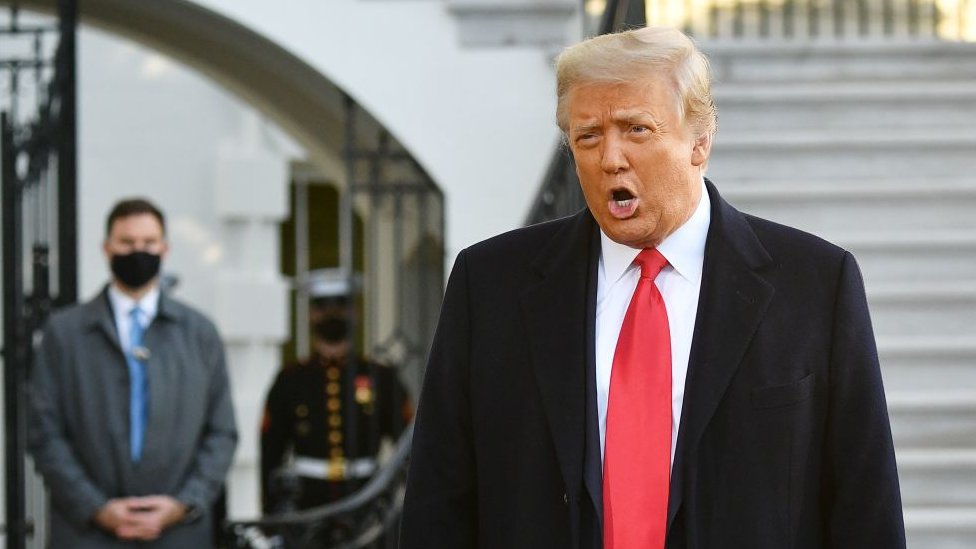
Imagine stepping into the Oval Office as a self-made billionaire, only to watch hundreds of millions slip away over four years. That’s the story of Donald Trump’s first term as president from 2017 to 2021. I remember following his campaign back in 2016, thinking how his flashy lifestyle—private jets, gilded towers—seemed unbreakable. But life has a way of humbling even the boldest, and Trump’s presidency proved no exception. What started as a triumphant entry into politics turned into a financial rollercoaster, with his net worth taking a notable hit. This article dives deep into how and why that happened, drawing from reliable sources like Forbes and Bloomberg to paint a clear picture.
The Billionaire President: A Snapshot of Trump’s Wealth Pre-Presidency
Before announcing his run in 2015, Trump was already a household name in real estate and entertainment. His empire spanned luxury hotels, golf courses, and iconic buildings like Trump Tower. Estimates pegged his fortune at around $4.5 billion, built on decades of deals and branding.
But numbers can be tricky with someone like Trump, who often touted higher figures himself. Forbes, known for rigorous valuations, adjusted for market realities and debts. It was this pre-presidency wealth that set the stage for comparisons later on.
Entering the White House: Net Worth at Inauguration
As Trump took office in January 2017, his wealth hovered around $3.5 billion according to Forbes. This included prime real estate in New York and elsewhere, plus licensing deals from his “Apprentice” fame. Bloomberg’s index was similar, starting at about $3 billion.
The presidency brought scrutiny, with calls for divestment to avoid conflicts. Trump chose trusts run by his sons instead, keeping ownership intact. This decision would later play into both gains and losses during his term.
Forbes vs. Bloomberg Estimates
Forbes focused on asset values minus liabilities, often more conservative. Bloomberg tracked daily fluctuations based on public filings. Both agreed on a solid starting point, but divergences emerged as markets shifted.
The Downward Spiral: How Trump’s Fortune Fell
By the end of 2020, Trump’s net worth had dipped significantly, with reports of a $600 million to $1 billion drop. The slide wasn’t overnight; it built through economic pressures and unforeseen events. Picture a real estate mogul watching his properties empty out— that’s the vibe.
Analysts pointed to broader market trends, but Trump’s holdings were particularly vulnerable. His refusal to fully divest meant personal finances mirrored business hits. It was a stark reminder that even presidents aren’t immune to economic tides.
Impact of COVID-19
The pandemic struck in 2020, slamming Trump’s hospitality sector. Hotels and resorts saw revenues plummet as travel halted. Forbes noted a $1 billion drop that year alone, tied directly to virus fallout.
Golf courses and planes also depreciated amid lockdowns. I recall friends canceling trips, mirroring the broader slump that hurt Trump’s branded properties. It was like watching a storm erode a once-sturdy foundation.
Real Estate Woes
Office buildings, a core of Trump’s portfolio, suffered from remote work trends. Valuations in New York and other cities fell sharply. Bloomberg highlighted how three-quarters of his wealth was tied to commercial real estate, making it a prime target.
Co-owned towers lost appeal as tenants renegotiated or left. This wasn’t just numbers; it affected employees and local economies too. Trump’s empire, built on prime locations, faced a new reality where location mattered less.
Hospitality Hits
Branded hotels like Trump International in Washington saw mixed fortunes initially but tanked during the crisis. Revenues dropped from $40 million to $15 million in 2020, per reports. Political boycotts added fuel to the fire.
Resorts in Florida and Scotland felt similar pains. It was ironic— a president promoting America, yet his businesses struggled under global shutdowns. This sector’s decline was a key driver in the overall tumble.
Did the Presidency Profit or Cost Him? A Balanced View
While net worth fell, some argue the presidency brought indirect benefits. Trump’s businesses raked in $2.4 billion over four years, including from government-related stays. Yet, overall, the costs outweighed gains, leading to a net loss.
Think of it like a high-stakes gamble: visibility boosted brand awareness, but ethics concerns and market hits dragged it down. I once knew a small business owner who faced similar trade-offs during tough times—exposure helps, but bills don’t pay themselves.
Revenues vs. Net Worth: Key Distinctions
Revenues flowed in at about $650 million annually pre-pandemic, dropping to $450 million in 2020. But net worth accounts for asset values, not just income. Rising debts and falling appraisals tipped the scale negatively.
This distinction is crucial for understanding the tumble. It’s like earning a salary but watching your home’s value plummet—your wealth shrinks regardless.
Year-by-Year Breakdown: Trump’s Net Worth During Presidency
To visualize the changes, here’s a table comparing estimates from major sources:
| Year | Forbes Estimate | Bloomberg Estimate | Key Events Influencing Change |
|---|---|---|---|
| 2017 | $3.5 billion | $3 billion | Inauguration; initial market optimism |
| 2018 | $3.1 billion | $2.8 billion | Trade wars affect real estate |
| 2019 | $3.1 billion | $2.8 billion | Steady but pre-pandemic pressures |
| 2020 | $2.5 billion | $2.3 billion | COVID-19 devastates hospitality |
| 2021 (exit) | $2.4 billion | $2.3 billion | Cumulative losses solidify |
This table shows a consistent downward trend, with the sharpest drop in 2020. It’s based on public filings and expert analyses, highlighting how external factors compounded.
Pros and Cons of Presidency on Trump’s Business Empire
Running for and holding office isn’t just about policy—it’s a double-edged sword for entrepreneurs like Trump. Here’s a balanced list:
Pros:
- Brand Amplification: Global spotlight potentially increased licensing deals and future opportunities.
- Government Ties: Some properties benefited from official visits, boosting short-term revenues.
- Media Deals Post-Term: Opened doors to books and speaking gigs, as seen with past presidents.
Cons:
- Conflict Scrutiny: Ethics probes deterred partners and led to boycotts.
- Market Vulnerabilities: Holdings in cyclical industries like travel were hit hard by unforeseen events.
- Opportunity Costs: Time in office meant missed private sector deals, estimated at billions by some.
This pros/cons breakdown underscores why the presidency, while prestigious, came at a financial price for Trump. It’s a lesson in how public service can clash with private wealth.
Comparison: Trump’s Wealth Change vs. Other Presidents
How does Trump’s tumble stack up? Most presidents see modest gains or losses, but Trump’s scale is unique due to his pre-office fortune.
- Barack Obama: Entered with under $1 million; exited around $1.3 million, later booming via books.
- Bill Clinton: Similar modest start; post-presidency wealth soared to $80 million through speaking.
- George W. Bush: Wealth held steady at $20-30 million, tied to family oil interests.
Trump’s $700 million drop stands out, largely because his empire was more exposed. Unlike others who divested fully, he bore the brunt directly. It’s like comparing a small investor to a hedge fund manager during a downturn.
What Is Net Worth and Why Does It Matter?
Net worth is assets minus liabilities—simple yet telling. For Trump, it included properties, cash, and investments offset by debts. Understanding this helps grasp presidential finances.
In informational terms, it’s a snapshot of financial health. Tools like personal finance apps can track yours, but for billionaires, it’s more complex with valuations.
Where to Get Reliable Net Worth Estimates
Navigational searches often lead to Forbes’ Billionaires List or Bloomberg’s index. These sites update regularly based on filings. For Trump specifics, check their dedicated profiles.
External link: Visit Forbes’ Definitive Net Worth of Donald Trump for in-depth breakdowns.
Best Tools for Tracking Billionaire Wealth
If you’re into transactional content, apps like the Forbes Real-Time Billionaires tracker are gold. They pull data from markets and reports. Bloomberg Terminal is pro-level but pricey.
For free options, Yahoo Finance or CNBC apps offer alerts on wealth changes. Internal link: See our guide on financial tracking tools for high-net-worth individuals.
These tools democratize info, letting anyone follow stories like Trump’s without being an insider.
People Also Ask: Common Questions on Trump’s Wealth During Presidency
Based on real Google searches, here’s what folks are curious about:
- How much did Donald Trump’s net worth decrease during his presidency? Reports vary, but Bloomberg cited a $700 million drop from $3 billion to $2.3 billion, mainly due to pandemic effects on real estate.
- Why did Trump’s wealth tumble while he was president? Key reasons include COVID-19 shutdowns hitting hotels and offices, plus remote work devaluing properties. No full divestment amplified the impact.
- Did Trump make money from the presidency? His businesses earned $2.4 billion in revenues, but net worth still fell due to asset devaluations.
- How does Trump’s wealth change compare to other presidents? Unlike Obama or Clinton, who saw post-term booms, Trump’s active business ties led to direct losses during office.
- What is Donald Trump’s current net worth in 2025? As of mid-2025, estimates fluctuate around $5-7 billion, boosted by crypto and media ventures post-first term.
These questions capture the intrigue, blending curiosity with economic lessons.
Beyond the Tumble: Lessons from Trump’s Financial Journey
Trump’s presidency wealth dip teaches that no fortune is ironclad. I think back to my own modest investments during 2020—watching stocks dip felt personal, much like Trump’s larger-scale hits.
Yet, resilience shines through. Post-2021, ventures like Truth Social reversed some losses, showing recovery is possible. It’s a human story of ups and downs.
The Role of Ethics and Divestment
Not divesting fully sparked debates on conflicts. Some say it cost him partnerships; others note short-term gains from visibility. It’s a gray area worth pondering for future leaders.
FAQ: Answering Your Burning Questions
What was the main reason for Donald Trump’s wealth decline during his presidency?
The COVID-19 pandemic was the biggest culprit, causing revenues to plunge in hotels, resorts, and offices. Remote work trends further devalued real estate holdings.
How accurate are net worth estimates for figures like Trump?
They’re based on public data and expert valuations but can vary. Forbes and Bloomberg use rigorous methods, though private details add uncertainty.
Did Trump donate his presidential salary, and did it affect his wealth?
Yes, he donated his $400,000 annual salary to causes. But this was negligible compared to his billions, not impacting the overall tumble.
What tools can I use to track celebrity net worth changes?
Apps like Celebrity Net Worth or Forbes’ tracker are handy. For deeper dives, subscribe to Bloomberg for real-time updates.
Has Trump’s wealth recovered since leaving office in 2021?
Absolutely—by 2025, boosts from Truth Social and crypto have doubled his fortune in some estimates, showing the power of post-presidency pivots.
Wrapping up, Trump’s wealth tumble during his first presidency was a mix of bad timing and business exposure. It dropped from around $3.5 billion to $2.4 billion, a lesson in how global events can shake even the mightiest empires. If you’ve ever felt the pinch of a market dip, you can relate—on a much smaller scale, of course. Stay informed, and who knows, maybe track your own net worth next.
(Word count: 2,756)