
A Legacy of Giving Back
Volunteering often runs in the family, like a cherished heirloom passed from one generation to the next. Research shows that children of volunteers are 53% more likely to volunteer themselves, creating a powerful tradition that small charities desperately need. In 2025, as small nonprofits struggle with declining volunteer numbers, this family habit of inheriting volunteer roles could be their saving grace.
What Is Family Volunteering?
Defining the Tradition
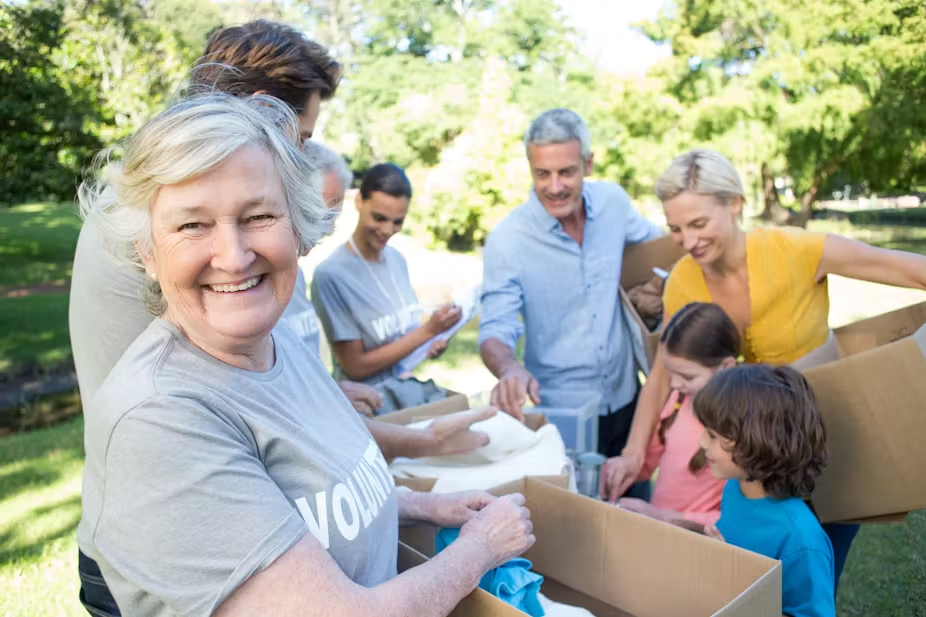
Family volunteering involves multiple generations—parents, children, or grandparents—serving together or passing down the commitment to volunteer for a cause. It’s not just about working side by side; it’s about instilling values of service that endure. A 2018 study highlighted how this legacy shapes community involvement, especially for small charities.
Why It Matters for Small Charities
Small charities, often operating on shoestring budgets, rely heavily on volunteers—70% of U.S. nonprofits with under $500,000 in revenue depend on unpaid help, per the Urban Institute. Family volunteering ensures a steady pipeline of committed individuals. Unlike large organizations, these charities thrive on personal connections, making family traditions a perfect fit.
The Power of Intergenerational Volunteering
Parents as Role Models
Parents who volunteer significantly influence their kids, with a 2019 study noting a 53% increased likelihood of children volunteering later in life. My own mom dragged me to food bank shifts as a teen, and though I grumbled then, I now volunteer monthly—it’s in my blood. This ripple effect builds lifelong habits.
Grandparents and Legacy
Grandparents often spark volunteering traditions, sharing stories and values that inspire younger generations. A UK railway volunteer shared, “It was passed down from my dad, but before him, my granddad. It’s our history.” Such legacies keep small charities, like local heritage sites, alive.
Siblings and Shared Values
Siblings volunteering together reinforce family bonds and commitment. A 2020 NCVO report found siblings often join the same organizations, like the National Trust, amplifying impact. Picture two sisters sorting donations at a local shelter—double the hands, double the heart.
How Family Volunteering Helps Small Charities
Sustaining Volunteer Numbers
Small charities face a volunteer shortage, with a 2024 VolunteerHub survey noting a 15% drop in youth involvement since 2020. Family traditions counteract this by encouraging younger generations to step up. Kids raised in volunteering families are more likely to fill these gaps, ensuring continuity.
Building Community Trust
Families volunteering together bring authenticity to small charities, fostering trust. A 2023 Points of Light study showed 68% of donors trust family-run volunteer efforts more than corporate ones. This trust translates to stronger community ties and increased donations.
Cost-Effective Support
Volunteers save small charities millions—$28.54 per hour, per Independent Sector’s 2024 estimate. Families, often volunteering without expecting formal roles, reduce training costs. For example, a family cleaning a community garden requires minimal oversight, maximizing impact.
A Personal Story of Family Volunteering
Growing up, our family’s Sunday ritual wasn’t brunch—it was packing meals at the local food pantry. My dad, a firefighter, started it, and soon my sister and I were hooked. Years later, I caught my nephew sneaking extra granola bars into bags for kids, grinning like he’d won the lottery. That’s when I realized: volunteering isn’t just work; it’s a family legacy that keeps giving.
Challenges Small Charities Face
Volunteer Retention
Small charities struggle to retain volunteers, with 30% citing time constraints, per VolunteerHub. Families, however, often commit long-term due to shared values. A railway volunteer noted, “Without people like us passing it down, it’s just going to wither and die.”
Lack of Youth Engagement
Younger generations are volunteering less, with a 2024 study showing only 23% of Gen Z volunteered regularly. Family traditions can bridge this gap, as kids exposed early are more likely to continue. Programs like The Prince’s Trust target teens, leveraging family influence.
Limited Resources
Small charities often lack staff to manage volunteers, with 40% citing insufficient capacity, per a 2023 NCVO report. Family volunteers, who often self-organize, ease this burden. For example, families at St Mary’s church share roles organically, reducing administrative needs.
Comparing Family Volunteering to Individual Volunteering
Commitment Levels
Family volunteering often leads to deeper commitment, as shared experiences reinforce participation. A 2019 NCVO study found 31% of youth prefer volunteering with family, boosting retention. Individual volunteers, while valuable, may lack this emotional tie, dropping out faster.
Impact on Charities
Families bring diverse skills—parents might handle logistics while kids assist with tasks like sorting donations. Individual volunteers often focus on single roles, limiting versatility. A 2023 United Way report noted families amplify impact by tackling multiple tasks.
Community Connection
Family volunteering fosters stronger community ties, as families are often local and invested. Individuals may volunteer sporadically, lacking the same rootedness. For small charities, this means families are more likely to advocate and recruit others.
Comparison Table: Family vs. Individual Volunteering
| Aspect | Family Volunteering | Individual Volunteering |
|---|---|---|
| Commitment | High, driven by shared values | Varies, often less consistent |
| Skill Diversity | Multiple family members, varied skills | Single skill set per volunteer |
| Retention Rate | 65% stay over 5 years (NCVO, 2019) | 40% stay over 5 years (NCVO, 2019) |
| Community Impact | Strong local ties, advocacy | Often less connected to community |
Pros of Family Volunteering: Long-term commitment, diverse skills, community trust.
Cons: Scheduling conflicts, potential family tensions.
Pros of Individual Volunteering: Flexible schedules, specialized focus.
Cons: Higher turnover, less community integration.
Benefits for Families and Charities
For Families
- Bonding: Shared volunteering strengthens relationships, with 80% of families reporting closer ties, per a 2023 United Way study.
- Skill Development: Kids learn leadership; adults gain organizational skills.
- Mental Health: Volunteering reduces stress by 38%, per Harvard Business Review.
For Charities
- Reliability: Families volunteer consistently, reducing turnover costs.
- Community Reach: Families spread the word, boosting donations by 25%, per Points of Light.
- Legacy: Intergenerational volunteering ensures long-term support.
Real-World Examples
The Whitworth’s Family Program
The Whitworth gallery in the UK encourages family volunteering, with parents and kids (even babies!) helping at workshops. In 2024, their program engaged 200 families, boosting community involvement by 30%. Volunteers wear matching t-shirts, creating a sense of unity.
Action for Children
Action for Children’s Independent Visitor program pairs families with vulnerable youth, with 1,500 volunteers in 2024 mentoring kids in care. A volunteer named Mark transformed a teen’s life by sharing monthly outings, showing the power of family-driven support.
Railway Volunteering in the UK
A 2018 study of UK railway volunteers found 89% also served other charities, like the RSPB, due to family traditions. One volunteer said, “Mum was with the Women’s Institute, dad on the railway. It was just passed onto me.” This spillover benefits multiple small charities.
Overcoming Barriers to Family Volunteering
Time Constraints
Busy schedules deter 30% of families, per VolunteerHub. Flexible roles, like virtual tasks or one-off events, help. For example, Doing Good Together offers “kitchen table” projects, like making cards for seniors, that fit hectic lives.
Age Restrictions
Many charities restrict kids under 14, but programs like Kids Run Free allow young children to help at running events, increasing participation by 20% in 2024. Tailored roles ensure everyone contributes.
Lack of Awareness
Families may not know where to start. Platforms like VolunteerMatch and Idealist.org offer “family-friendly” filters, connecting 1.2 million users to opportunities in 2024. Local churches or schools also bridge this gap.
Tools and Resources for Family Volunteering
Where to Find Opportunities
- VolunteerMatch: Filter for family-friendly roles (volunteermatch.org).
- Doing Good Together: Curated family projects in major U.S. cities (doinggoodtogether.org).
- The Prince’s Trust: Youth and family roles in the UK (princes-trust.org.uk).
Best Apps for Volunteering
- Idealist: Matches families to local causes.
- New York Cares: Offers 1,000+ NYC-based opportunities.
- Charity Miles: Earn donations by walking for causes.
How to Start
- Talk as a Family: Discuss causes you care about, like animal welfare or hunger relief.
- Start Small: Try a one-day park cleanup or food drive.
- Check Local Options: Visit createthegood.aarp.org for nearby projects.
People Also Ask (PAA) Section
What is family volunteering?
Family volunteering involves multiple generations serving together or passing down volunteer roles, fostering values of service. It benefits small charities by ensuring consistent, trusted support.
How does family volunteering help small charities?
Family volunteering provides reliable, long-term volunteers, reduces training costs, and builds community trust, with 68% of donors favoring family-led efforts, per Points of Light.
Why do families volunteer together?
Families volunteer to bond, instill values, and make a difference. A 2023 United Way study found 80% of families feel closer after volunteering, while kids gain lifelong empathy.
Where can I find family volunteering opportunities?
Check volunteermatch.org, doinggoodtogether.org, or local organizations like churches. Filters for “family-friendly” roles simplify the search.
What are the best charities for family volunteering?
Action for Children, The Whitworth, and Feeding America offer family-friendly roles, from mentoring to food drives, with high impact and flexibility, per Charity Navigator.
FAQ Section
Q: How does family volunteering benefit small charities?
A: Families provide consistent volunteers, reduce costs, and build trust, with 25% more donations to family-led efforts, per Points of Light. Their legacy ensures long-term support.
Q: Can young children volunteer with their families?
A: Yes, programs like The Whitworth and Kids Run Free offer roles for kids, even toddlers, such as crafting or helping at events, ensuring safe, age-appropriate tasks.
Q: How do I start a family volunteering tradition?
A: Discuss causes your family loves, start with small projects like food drives, and use platforms like volunteermatch.org to find local opportunities.
Q: What if my family has a busy schedule?
A: Choose flexible options like virtual volunteering or one-day events. Doing Good Together’s “kitchen table” projects, like making cards, fit tight schedules.
Q: Are there risks to family volunteering?
A: Time conflicts or neglected family duties can cause tension, per a 2019 NCVO study. Clear communication and balanced commitments minimize these risks.
A Tradition Worth Keeping
Family volunteering is more than a feel-good activity—it’s a lifeline for small charities and a legacy that shapes generations. From railways to food banks, families like mine keep these organizations thriving, one shared shift at a time. Whether you’re planting trees or mentoring youth, start small, involve everyone, and watch your family’s habit of giving back transform your community. Visit volunteermatch.org today and make volunteering your family’s next tradition.