
Introduction to the Tariff Debate
Picture this: you’re at the grocery store, eyeing a juicy steak, but the price tag makes your wallet wince. You’ve heard whispers about tariffs—those pesky taxes on imported goods—pushing prices up. But two economists vying for top spots at the Federal Reserve, Stephen Miran and James Bullard, are shaking their heads. They argue that President Donald Trump’s tariffs, rolled out in 2025, aren’t the inflation culprits many fear. Let’s dive into their perspective, unpack the economic landscape, and explore what this means for you, your wallet, and the U.S. economy.
Who Are Stephen Miran and James Bullard?
Stephen Miran: The White House Economist
Stephen Miran, chair of the White House Council of Economic Advisers, is Trump’s pick to fill a temporary vacancy on the Federal Reserve Board left by Adriana Kugler in August 2025. With a background at the Treasury and the Manhattan Institute, Miran’s no stranger to bold economic ideas. He’s been a vocal defender of Trump’s trade policies, arguing tariffs don’t spark inflation but rather bolster domestic growth.
James Bullard: The Former Fed Insider
James Bullard, former president of the St. Louis Fed, is a contender to replace Fed Chair Jerome Powell in May 2026. Known for his independent streak, Bullard has spent years navigating monetary policy debates. He’s now backing the view that tariffs cause only temporary price hikes, not sustained inflation, and predicts the Fed will cut rates soon.
Understanding Trump’s Tariffs in 2025
What Are Tariffs, Anyway?
Tariffs are taxes slapped on imported goods, designed to protect domestic industries or retaliate against foreign trade practices. In 2025, Trump’s administration unleashed a wave of tariffs, raising the average U.S. tariff rate from 2.5% to an estimated 18.6% by August, according to Wikipedia. These include 50% tariffs on steel, aluminum, and copper, plus reciprocal tariffs under the International Emergency Economic Powers Act (IEEPA).
The Scale of Trump’s Trade War
Trump’s tariffs hit nearly every U.S. trading partner, sparing only a few categories like USMCA trade (Canada and Mexico) and select energy imports. By July 2025, tariffs accounted for 5% of federal revenue, up from a historical 2%. The Tax Foundation estimates these tariffs translate to a $1,300 tax hike per U.S. household in 2025, a figure that’s sparked heated debate.
Miran and Bullard’s Core Argument: Tariffs Don’t Cause Inflation
The Case Against Tariff-Induced Inflation
In separate CNBC interviews on August 12, 2025, Miran and Bullard dismissed the idea that tariffs drive persistent inflation. Miran pointed to six months of data showing “no evidence whatsoever” of tariff-related price spikes, while Bullard argued that tariffs cause “one-time increases in the price level,” not ongoing inflation. Both align with Trump’s push for lower interest rates, challenging the mainstream view that tariffs fuel price growth.
Why They Think Tariffs Are Harmless
- Foreign Suppliers Absorb Costs: Miran argues foreign producers, not U.S. consumers, often eat tariff costs to stay competitive.
- One-Time Price Adjustments: Bullard says any price hikes from tariffs are short-lived, not feeding into broader inflation.
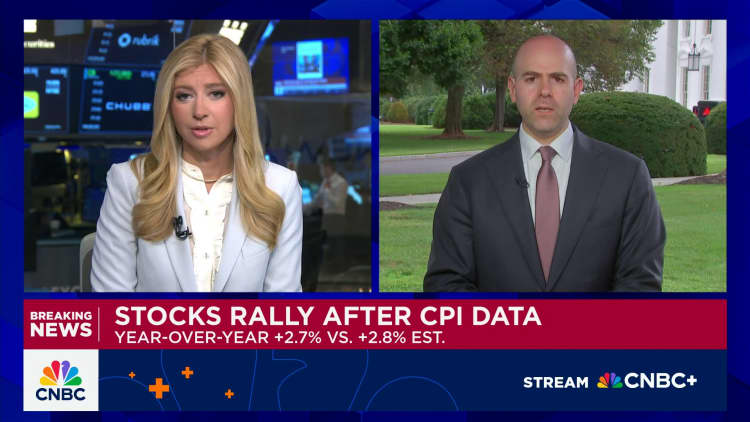
- Data Backs Them Up: July 2025 CPI data showed inflation at 2.7%, slightly below expectations and above the Fed’s 2% target, but not screaming “crisis.”
- Pro-Growth Agenda: Both economists praise Trump’s policies for boosting domestic manufacturing, which they claim offsets any inflationary pressure.
The Counterargument: Tariffs and Inflation Risks
Why Economists Disagree
Not everyone’s on board with Miran and Bullard. Diane Swonk, chief economist at KPMG, warned on PBS News that tariffs could push inflation to 3.5% by year-end 2025. The New York Times reported in April 2025 that tariffs risk “stickier” inflation, complicating the Fed’s efforts to achieve a soft landing. J.P. Morgan’s research suggests tariffs could add 0.4 percentage points to consumer prices, challenging the “no inflation” narrative.
Historical Context: Tariffs and Prices
Studies from Trump’s first term (2018–2019) show mixed results. J.P. Morgan noted that Chinese exporters didn’t raise prices significantly, but U.S. consumers still faced higher import costs. The Tax Foundation’s $172.1 billion revenue estimate from 2025 tariffs underscores their scale, raising questions about whether businesses will pass costs to consumers.
Comparing Miran and Bullard’s Views to the Mainstream
| Aspect | Miran and Bullard | Mainstream Economists |
|---|---|---|
| Tariff Impact on Inflation | Minimal, one-time price hikes | Potential for persistent inflation |
| Fed Policy Recommendation | Cut rates starting September 2025 | Hold or raise rates if inflation spikes |
| View on Fed Independence | Emphasize independence but align with Trump | Strongly defend Fed autonomy |
| Economic Growth Outlook | Optimistic, tariffs boost manufacturing | Cautious, tariffs may slow growth |
Pros of Miran and Bullard’s Stance
- Aligns with Current Data: July 2025 CPI at 2.7% supports their claim of tame inflation.
- Supports Rate Cuts: Lower rates could ease borrowing costs for consumers and businesses.
- Pro-Growth Focus: Emphasizes domestic manufacturing and job creation.
Cons of Their Stance
- Ignores Long-Term Risks: Higher tariffs could still drive inflation if sustained.
- Political Bias Concerns: Critics like Sen. Elizabeth Warren question Miran’s independence.
- Contradicts Fed Caution: The Fed’s pause on rate cuts reflects broader inflation worries.
The Federal Reserve’s Dilemma
Balancing Inflation and Growth
The Fed’s in a tough spot. With tariffs boosting federal revenue but potentially slowing growth, policymakers are hesitant to cut rates. Fed Chair Jerome Powell, speaking in Chicago, emphasized anchoring long-term inflation expectations, even as some governors see tariff effects as transitory. The Fed’s July 2025 decision to hold rates at 4.25%–4.5% reflects this uncertainty.
Bullard’s Rate Cut Prediction
Bullard’s bold forecast—100 basis points in rate cuts by mid-2026—suggests a shift to a “neutral” policy stance. He argues six months of tariff data show no inflationary spiral, giving the Fed room to ease. If confirmed, Miran’s vote could tip the balance toward cuts, though his short-term appointment limits his influence.
What This Means for You
Impact on Your Wallet
So, how do tariffs affect your day-to-day? That $1,300 household cost estimate might hit your grocery, clothing, or car budget. But Miran and Bullard’s argument suggests prices won’t skyrocket long-term. For now, consumer prices are rising modestly—2.7% annually in July 2025—so you might notice a pinch, not a punch.
Where to Get Reliable Economic Updates
- Federal Reserve Website: Check www.federalreserve.gov for official statements and meeting minutes.
- CNBC Economic Reports: Their interviews with Miran and Bullard offer insider perspectives.
- Tax Foundation: Visit www.taxfoundation.org for detailed tariff impact analyses.
Best Tools for Tracking Inflation
- BLS CPI Data: The Bureau of Labor Statistics (www.bls.gov) releases monthly CPI reports.
- Trading Economics: A user-friendly platform for real-time economic indicators.
- Mint or YNAB: Budgeting apps to monitor how price changes hit your finances.
People Also Ask (PAA)
Do Tariffs Always Cause Inflation?
No, tariffs don’t always cause inflation, but they can raise specific goods’ prices. Miran and Bullard argue foreign suppliers absorb much of the cost, limiting consumer impact. However, studies like J.P. Morgan’s show tariffs can still pass costs to U.S. buyers, especially for high-tariff items like steel or apparel.
Who Are the Current Fed Board Members?
As of August 2025, the Fed Board includes Jerome Powell (Chair), Christopher Waller, and others, with Stephen Miran nominated for a temporary seat. Adriana Kugler’s resignation opened the vacancy Miran aims to fill. Visit www.federalreserve.gov for the full list.
How Do Tariffs Affect the U.S. Economy?
Tariffs boost federal revenue (5% in July 2025) and protect domestic industries but risk higher consumer prices and slower growth. The Tax Foundation estimates a 0.57% GDP increase from tariff revenue but warns of a $1,300 household cost. Retaliatory tariffs from countries like the EU could further complicate trade.
What Is the Federal Reserve’s Role in Inflation?
The Fed manages inflation by adjusting interest rates and money supply. Its 2% target guides policy, but tariffs add complexity. Powell’s cautious approach—holding rates at 4.25%–4.5%—aims to balance growth and price stability, as noted in Reuters’ February 2025 report.
The Bigger Picture: Fed Independence and Political Pressure
Trump’s Influence on the Fed
Trump’s public criticism of Powell, calling him “too late” on rate cuts, has raised eyebrows. His nomination of Miran, a tariff defender, and Bullard’s alignment with lower rates suggest a push for a more pliable Fed. Yet both economists stress Fed independence, with Miran telling CNBC it’s “of paramount importance.”
Why Independence Matters
An independent Fed can make tough calls—like raising rates to curb inflation—without political sway. Critics like Bharat Ramamurti warn that a Trump-aligned Fed could spike long-term inflation expectations, per The Guardian. Miran’s past writings, advocating for more presidential control, fuel this debate.
A Personal Take: Navigating Economic Noise
I remember chatting with my uncle, a small business owner, about tariffs last summer. He was worried about steel costs for his construction firm but found suppliers adjusting prices to stay competitive. It’s anecdotes like these that echo Miran and Bullard’s point: tariffs don’t always hit consumers as hard as feared. Still, I keep an eye on my grocery bills, wondering if the economists are right or if bigger price hikes are around the corner.
FAQ Section
1. Are Trump’s tariffs causing inflation in 2025?
Miran and Bullard argue no, citing July 2025 CPI data at 2.7% and six months of tariff implementation with no significant price spikes. However, economists like Diane Swonk predict inflation could hit 3.5% by year-end if tariffs persist.
2. Who is Stephen Miran, and why was he nominated?
Stephen Miran is the chair of Trump’s Council of Economic Advisers, nominated to fill Adriana Kugler’s Fed Board seat until January 2026. His pro-tariff stance and call for Fed reform make him a controversial pick, as noted by POLITICO.
3. What does James Bullard predict for Fed policy?
Bullard forecasts the Fed will cut rates by 100 basis points over the next 12 months, starting in September 2025, bringing policy to a “neutral” stance. He believes tariffs cause only temporary price hikes, per CNBC.
4. How can I track the impact of tariffs on prices?
Use the Bureau of Labor Statistics’ CPI reports (www.bls.gov), Trading Economics for real-time data, or budgeting apps like Mint to monitor personal spending changes influenced by tariffs.
5. Why is Fed independence a big deal?
An independent Fed can prioritize long-term economic stability over short-term political goals. Trump’s pressure for rate cuts, as reported by Reuters, raises concerns about eroding this autonomy, potentially destabilizing inflation expectations.
Conclusion: What’s Next for the Fed and Your Finances?
Miran and Bullard’s stance—that Trump’s tariffs aren’t fueling inflation—challenges conventional wisdom but aligns with current data showing modest price growth. Their influence could steer the Fed toward rate cuts, easing borrowing costs but risking political backlash. For you, it’s a mixed bag: tariffs may not skyrocket prices yet, but their long-term impact depends on global trade dynamics and Fed decisions. Keep an eye on CPI reports, budget wisely, and stay informed through reliable sources like the Fed’s website or CNBC. The economic road ahead is bumpy, but with the right tools, you can navigate it.