
Motherhood is a universal language, spoken not only by humans but also by creatures across the animal kingdom. From the icy slopes of Antarctica to the dense rainforests of Borneo, animal mothers display extraordinary dedication, sacrifice, and ingenuity to ensure their young survive and thrive. These moms go to incredible lengths—some even giving their lives—to protect and nurture their offspring. In this article, we’ll explore five remarkable animal mothers: the orangutan, polar bear, African elephant, cheetah, and emperor penguin. Through their stories, we’ll uncover the heartwarming, sometimes heartbreaking, ways they embody maternal devotion. Whether you’re an animal lover or simply curious about nature’s wonders, these tales will leave you in awe of the power of a mother’s love.
Orangutan: The Patient Teacher of the Treetops
Orangutan mothers are the epitome of patience, dedicating nearly a decade to raising their young in the lush rainforests of Borneo and Sumatra. These red-haired primates form one of the strongest mother-child bonds in the animal kingdom, teaching their babies everything from foraging to nest-building with unwavering care.
A Bond That Lasts a Lifetime
For the first two years, baby orangutans cling to their mothers’ fur, relying on them for food, warmth, and transportation through the treetops. I once watched a documentary where an orangutan mom gently guided her infant to grasp a vine, her calm demeanor a stark contrast to the chaos of the forest around them. This hands-on nurturing continues for six to eight years, with moms teaching their young how to identify over 200 types of edible plants, build sturdy sleeping nests, and navigate the complex canopy. Even after independence, female orangutans often “visit” their mothers until their mid-teens, a touching reminder of their enduring bond.
Why Orangutan Moms Stand Out
- Long-Term Commitment: Orangutan mothers nurse and carry their young for up to eight years, longer than most primates except humans.
- Skill-Building Experts: They teach complex survival skills, like selecting safe foods and crafting nightly nests, which can number over 30,000 in a lifetime.
- Solo Parenting: With no help from males, these single moms shoulder all responsibilities, from feeding to protecting their young.
Polar Bear: The Arctic’s Devoted Guardian
In the harsh, frozen landscapes of the Arctic, polar bear mothers redefine sacrifice. These fierce yet tender moms endure months without food to nurture their cubs, relying solely on their fat reserves to survive the brutal winter.
Surviving the Deep Freeze
A pregnant polar bear gains up to 200 pounds before digging a snow den to give birth, usually to twins. For four to eight months, she remains in this confined space, fasting while nursing her tiny, blind cubs. I remember reading about a polar bear mom emerging from her den, her cubs stumbling behind her, marveling at how she’d sustained them through sheer resilience. Once spring arrives, she leads them onto the sea ice, teaching them to hunt seals and navigate their icy world for two to three years.
Polar Bear Moms’ Superpowers
- Extreme Endurance: Fasting for up to eight months while nursing is a feat of physical and mental strength.
- Fierce Protection: Polar bear moms defend their cubs against predators like male bears, risking their own lives.
- High-Fat Milk: Their milk, with 31% fat content, is among the richest in the animal kingdom, ensuring cubs grow strong.
Comparison: Polar Bear vs. Black Bear Moms
| Aspect | Polar Bear Mom | Black Bear Mom |
|---|---|---|
| Gestation Period | 6–9 months | 6–7 months |
| Fasting Duration | 4–8 months (in den) | 3–5 months (in den) |
| Cub Dependency | 2–3 years | 1–1.5 years |
| Milk Fat Content | 31% | ~20% |
Polar bear moms face harsher conditions and longer fasting periods, making their dedication particularly remarkable.
African Elephant: The Matriarch of the Herd
African elephant mothers don’t raise their calves alone—they rely on a sisterhood of females in their matriarchal herds. With the longest gestation period of any mammal, these moms invest heavily in their young, fostering a community of care that ensures survival.
A Village of Caregivers
After a 22-month pregnancy, an elephant mom gives birth to a 200-pound calf, which is nursed for up to six years. The herd’s females, including aunts and sisters, help the calf stand, learn to nurse, and forage for food. I once saw a video of an elephant herd forming a protective circle around a newborn, their trunks gently guiding it—a sight that brought tears to my eyes. This “allomothering” ensures calves are never alone, even if their mother is unavailable.
Pros and Cons of Elephant Motherhood
Pros:
- Community support from the herd reduces the burden on a single mom.
- Calves learn survival skills from multiple role models.
- Strong emotional bonds, with mothers mourning lost calves.
Cons:
- Long gestation (22 months) is physically taxing.
- Calves are vulnerable to predators like lions if the herd isn’t vigilant.
- High emotional toll, as elephants grieve deeply for lost young.
Cheetah: The Single Mom Sprinting Against Odds
Cheetah mothers are the ultimate solo act, raising their cubs in isolation while dodging predators and teaching them to become the fastest hunters on Earth. Their relentless vigilance and hands-on training make them true supermoms.
Raising Speed Demons
Cheetah moms give birth to two to six cubs, moving them every few days to avoid predators like lions and hyenas. For 18 months, they teach their cubs to hunt, often bringing live prey for practice. I recall a nature show where a cheetah mom patiently demonstrated a chase, slowing her pace so her cubs could mimic her. By the time they’re independent, these cubs are skilled sprinters, thanks to her tireless efforts.
Cheetah Mom Challenges
- Constant Relocation: Moving dens every four days to avoid predators is exhausting.
- High Mortality: Only about 10–20% of cheetah cubs survive to adulthood due to predation.
- Solo Responsibility: With no male or group support, cheetah moms handle all parenting duties alone.
Emperor Penguin: The Icy Trekker of Antarctica
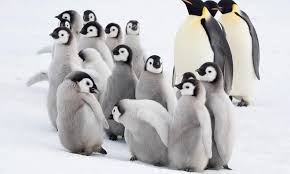
Emperor penguin mothers brave one of Earth’s harshest environments to feed their chicks, embarking on epic journeys across miles of ice. Their partnership with fathers showcases a teamwork-driven approach to parenting that’s both inspiring and humbling.
A Perilous Journey for One Chick
After laying a single egg, an emperor penguin mom hands it to her mate and treks up to 50 miles to the ocean to feed. She returns to regurgitate fish for her newly hatched chick, a process I’ve seen depicted in heart-wrenching documentaries where moms battle blizzards to reach their young. Both parents take turns nurturing the chick, keeping it warm in temperatures as low as -40°F.
Why Emperor Penguin Moms Inspire
- Extreme Sacrifice: Moms endure long, dangerous treks without food to provide for their chicks.
- Teamwork: They share duties with fathers, ensuring the chick’s survival in brutal conditions.
- Emotional Depth: Penguin moms have been observed grieving lost chicks, showing profound attachment.
Table: Comparing Maternal Sacrifices
| Animal Mom | Key Sacrifice | Duration of Care | Unique Trait |
|---|---|---|---|
| Orangutan | Years of teaching complex skills | 6–8 years | Builds new nest nightly |
| Polar Bear | Fasting for months in den | 2–3 years | Survives on fat reserves |
| African Elephant | 22-month gestation, lifelong bond | Up to 16 years | Allomothering by herd |
| Cheetah | Constant relocation to avoid predators | 18 months | Teaches hunting through live prey |
| Emperor Penguin | Long treks across ice for food | 4–5 months | Shares duties with father |
People Also Ask (PAA)
What animal has the strongest maternal instinct?
Orangutans and elephants are often cited for their intense maternal bonds. Orangutan moms dedicate up to eight years to teaching their young, while elephant mothers, supported by their herds, nurture calves for over a decade, showing deep emotional connections.
Which animal mom sacrifices the most?
The giant Pacific octopus is a standout, guarding her eggs for up to seven months without eating, ultimately dying to ensure her young survive. Emperor penguin moms also make significant sacrifices, trekking miles in harsh conditions to feed their chicks.
How do animal moms teach their young?
Animal mothers use hands-on methods: cheetah moms demonstrate hunting with live prey, orangutan moms show their young how to forage and build nests, and elephant moms guide calves to food sources alongside the herd. Each species tailors its teaching to survival needs.
Where can I learn more about animal moms?
Visit reputable wildlife organizations like the World Wildlife Fund (WWF) or National Geographic for detailed articles and documentaries. Local zoos, such as the Smithsonian’s National Zoo, often offer educational programs on animal behavior.
What are the best tools for studying animal behavior?
For amateur wildlife enthusiasts, tools like binoculars (e.g., Nikon Monarch series), field guides (e.g., National Geographic’s animal guides), and wildlife apps (e.g., iNaturalist) are excellent. Professionals might use camera traps and GPS trackers for in-depth studies.
FAQ Section
Do all animal moms stay with their young for life?
No, but some, like resident orca mothers, maintain lifelong bonds, staying with their offspring even after they have their own young. Most, like cheetahs or polar bears, care for their young until they’re independent, typically one to three years.
Why do some animal moms sacrifice their lives?
Species like the giant Pacific octopus sacrifice themselves due to biological programming. Their bodies prioritize egg protection over survival, shutting down digestive functions to focus energy on oxygenating and guarding their clutch.
How do elephant moms differ from other animal moms?
Elephant moms benefit from a matriarchal herd, where females share caregiving duties, unlike solitary moms like cheetahs. Their 22-month gestation and long-term nurturing, often lasting 16 years, set them apart.
Can animal moms grieve their young?
Yes, elephants and penguins have been observed mourning lost young. Elephants may cover deceased calves with leaves and revisit their burial sites, while penguin moms show distress over lost chicks, highlighting their emotional depth.
Where can I observe these animal moms in the wild?
Safaris in Africa (e.g., Kenya or Tanzania) offer chances to see elephants and cheetahs. Orangutans can be observed in Borneo or Sumatra sanctuaries. Polar bears and penguins require specialized Arctic or Antarctic tours, often through operators like Quark Expeditions.
A Final Word on Animal Moms
The stories of these five remarkable animal moms—orangutans, polar bears, African elephants, cheetahs, and emperor penguins—reveal the profound lengths mothers go to for their young. From teaching survival skills in the treetops to braving icy treks, their dedication mirrors the universal essence of motherhood. Next time you’re out in nature or watching a wildlife documentary, take a moment to appreciate these unsung heroes. Their love, sacrifice, and resilience are a testament to the power of maternal instinct, reminding us that the wild is full of lessons for us all.
For more insights into the animal kingdom, check out resources from World Wildlife Fund or National Geographic. If you’re inspired to observe these incredible creatures, consider supporting conservation efforts or visiting a reputable sanctuary near you.