
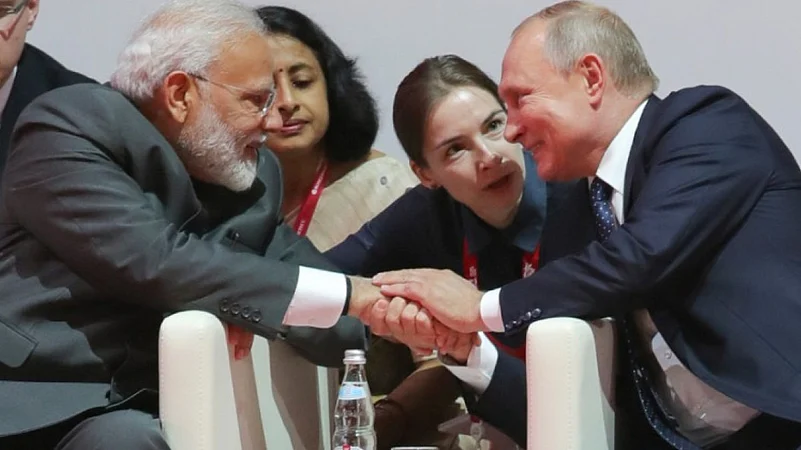
On August 21, 2025, India and Russia reaffirmed their commitment to deepen their trade relationship, shrugging off U.S. tariff threats aimed at curbing India’s purchase of Russian oil. This bold move signals a strategic pivot in global trade dynamics, with far-reaching implications for both nations and the world. In this article, we’ll dive into the intricacies of this partnership, explore the motivations behind it, and unpack what it means for the global economy—all while weaving in real-world insights and a touch of human connection.
The Bedrock of India-Russia Relations
The India-Russia partnership is no fleeting affair; it’s a bond forged over decades, rooted in mutual trust and strategic alignment. Since the Cold War, these two nations have stood by each other through thick and thin, from defense collaborations to energy deals. Their recent pledge to expand trade ties, despite external pressures, underscores a relationship that’s as resilient as it is pragmatic.
A History of Steadfast Cooperation
India and Russia have shared a “special and privileged strategic partnership” since the 1970s, built on defense, energy, and diplomatic cooperation. Indian Foreign Minister Subrahmanyam Jaishankar, speaking in Moscow, called it one of the “steadiest of the major relationships in the world” post-World War II. This isn’t just diplomatic rhetoric—it’s a reflection of a bond that’s weathered global shifts, from the Soviet era to today’s multipolar world.
Why This Partnership Matters Now
In 2025, with global trade tensions escalating, the India-Russia alliance is a counterweight to Western pressures. Their trade hit a record $68.7 billion for the year ending March 2025, driven largely by India’s increased imports of Russian oil. This partnership offers both nations leverage in a world where economic sanctions and tariffs are wielded as geopolitical tools.
Trump’s Tariff Threats: The Spark of Defiance
U.S. President Donald Trump’s recent tariff hikes on Indian goods—escalating to 50% in some cases—stem from India’s continued purchase of Russian oil, which Washington claims fuels Moscow’s war in Ukraine. These tariffs, announced in early August 2025, have strained U.S.-India ties, pushing New Delhi closer to Moscow. But why is this happening, and what’s at stake?
The U.S. Perspective: Curbing Russia’s Influence
The U.S. sees India’s oil imports—1.6 million barrels per day in the first half of 2025—as indirectly supporting Russia’s economy. Treasury Secretary Scott Bessent has accused India of “profiteering” by buying discounted Russian crude, refining it, and reselling it globally. The tariffs aim to pressure India into aligning with Western sanctions, but they’ve had the opposite effect, galvanizing India-Russia ties.
India’s Response: A Defiant Stance
India has pushed back hard, calling the tariffs “unfair, unjustified, and unreasonable.” The Ministry of External Affairs argues that India turned to Russian oil only after traditional suppliers redirected their exports to Europe post-Ukraine conflict. For a nation of 1.4 billion, affordable energy is non-negotiable, and Russia’s discounted crude meets that need.
The Oil Trade: A Lifeline for Both Nations
At the heart of this saga is oil—Russia’s economic backbone and India’s energy lifeline. With India now the second-largest buyer of Russian oil after China, this trade has become a cornerstone of their partnership. Let’s break down why this matters and how it’s reshaping global energy markets.
Russia’s Role as India’s Top Oil Supplier
Russia has emerged as India’s largest crude oil supplier, a shift driven by Western sanctions that slashed Moscow’s traditional markets. In 2020, India imported just 50,000 barrels per day from Russia; by 2025, that figure soared to 1.6 million. This isn’t just about economics—it’s about mutual dependence in a turbulent world.
The Economic Logic of Discounted Oil
For India, Russian oil is a bargain. Discounted prices have saved billions, easing the strain on a nation grappling with rising energy demands. For Russia, India’s purchases provide a critical revenue stream amidst Western sanctions. It’s a win-win that both nations are keen to protect, tariffs or no tariffs.
Key Stats on India-Russia Oil Trade
| Year | India’s Russian Oil Imports (bpd) | Bilateral Trade Value ($B) | India’s Trade Deficit ($B) |
|---|---|---|---|
| 2020 | 50,000 | 8.1 | 5.5 |
| 2025 | 1.6 million | 68.7 | 59 |
Expanding Beyond Oil: A Broader Trade Vision
While oil dominates headlines, India and Russia are eyeing a more balanced trade relationship. Their recent talks in Moscow outlined ambitious plans to boost India’s exports and diversify cooperation, from IT to infrastructure. This isn’t just about defying tariffs—it’s about building a future-proof partnership.
Boosting Indian Exports
India’s trade deficit with Russia—$59 billion in 2025—is a sore point. To address this, both nations are focusing on increasing India’s exports of pharmaceuticals, agriculture, and textiles. Russian Foreign Minister Sergei Lavrov has welcomed Indian goods, signaling an open market for New Delhi’s products.
Sending Skilled Workers to Russia
Another intriguing development is India’s plan to send skilled workers in IT, construction, and engineering to Russia to address labor shortages. This move not only strengthens economic ties but also fosters people-to-people connections, a hallmark of enduring partnerships.
Pros and Cons of Deepening India-Russia Trade
Pros:
- Economic Resilience: Diversified trade reduces reliance on Western markets.
- Energy Security: Affordable Russian oil ensures India’s energy needs are met.
- Strategic Leverage: A strong partnership counters U.S. pressure and enhances BRICS cooperation.
Cons:
- U.S. Tariffs: Higher costs for Indian exports to the U.S., a key market.
- Geopolitical Risks: Aligning closer with Russia could strain ties with Western allies.
- Trade Imbalance: India’s deficit with Russia remains a challenge.
The Geopolitical Chessboard: India’s Balancing Act
India’s defiance of U.S. tariffs isn’t just about economics—it’s a masterclass in strategic diplomacy. New Delhi is walking a tightrope, balancing its ties with Russia, the U.S., and other global players like China. This section explores how India navigates this complex landscape.
A Non-Aligned Approach
India’s foreign policy has long been rooted in non-alignment, a principle that allows it to engage with both Western and non-Western powers. Jaishankar’s emphasis on “dialogue and diplomacy” reflects this approach, ensuring India doesn’t bend to external pressure while maintaining strategic autonomy.
The BRICS Factor
The tariff row has renewed interest in BRICS—Brazil, Russia, India, China, and South Africa—as a counterweight to Western influence. Russia’s push for a trilateral meeting with India and China hints at a broader alignment, but India is cautious, wary of being seen as anti-Western.
Comparison: India’s Trade with Key Partners (2024)
| Partner | Trade Value ($B) | Key Exports from India | Key Imports to India |
|---|---|---|---|
| USA | 127.9 | Textiles, IT services | Machinery, aircraft |
| Russia | 68.7 | Pharmaceuticals | Crude oil, fertilizers |
| China | 118.4 | Iron ore, cotton | Electronics, chemicals |
The Human Angle: Stories from the Ground
To truly understand this partnership, let’s zoom in on the people it impacts. I recall a conversation with a friend in Mumbai, a small business owner exporting textiles to the U.S. When the tariffs hit, he was devastated—his margins were already razor-thin. “We’re not buying Russian oil to hurt anyone,” he said. “We’re just trying to keep the lights on.” His story echoes the broader sentiment in India: these tariffs feel like punishment for prioritizing national interest.
On the Russian side, I think of a news report about Siberian oil workers, grateful for India’s steady demand. For them, it’s not just about geopolitics—it’s about jobs, families, and stability. These human stories remind us that trade deals aren’t just numbers; they’re about lives.
People Also Ask (PAA)
Here are some common questions about India-Russia trade ties and U.S. tariff threats, sourced from Google:
Why is the U.S. imposing tariffs on India?
The U.S. claims India’s purchase of Russian oil supports Moscow’s war in Ukraine. Tariffs of up to 50% aim to pressure India into reducing these imports, though India argues it’s ensuring affordable energy for its citizens.
How does India benefit from Russian oil?
Russian oil, bought at a discount, saves India billions, meeting its growing energy demands. In 2025, India imported 1.6 million barrels per day, up from 50,000 in 2020, boosting energy security.
What are India and Russia doing to counter U.S. tariffs?
They’re expanding bilateral trade, with India boosting exports of pharmaceuticals and textiles and sending skilled workers to Russia. Both nations are committed to joint energy projects in Russia’s Far East and Arctic.
How do tariffs affect India’s economy?
Tariffs hit key export sectors like textiles and leather, worth $18.3 billion to the U.S. in 2024. This could slow economic growth and investment, but India is diversifying markets to mitigate the impact.
Tools and Resources for Tracking Trade Developments
For those looking to stay informed or navigate the trade landscape, here are some practical tools and resources:
- Trade Map (trademap.org): Offers detailed trade statistics for India-Russia commerce.
- U.S. Trade Representative (ustr.gov): Tracks U.S. tariff policies and trade agreements.
- BRICS Information Portal (infobrics.org): Provides updates on India-Russia collaborations.
- Bloomberg Terminal: Ideal for real-time oil price and trade flow data.
These tools can help businesses and individuals understand market shifts and make informed decisions.
The Road Ahead: Challenges and Opportunities
As India and Russia deepen their ties, they face both hurdles and possibilities. The U.S. tariffs, while painful, have sparked a renewed focus on self-reliance and diversification. India’s push to boost exports and Russia’s openness to Indian workers signal a partnership that’s evolving beyond oil.
Overcoming the Trade Deficit
India’s $59 billion trade deficit with Russia is a challenge, but opportunities in pharmaceuticals and agriculture could narrow the gap. Collaborative projects, like joint energy ventures in Russia’s Arctic, offer long-term potential.
Navigating Global Pressures
India must balance its Russia ties with its U.S. partnership, a key export market worth $127.9 billion in 2024. Diplomacy will be crucial, as New Delhi seeks to maintain its non-aligned stance while countering tariff pressures.
FAQ Section
1. Why is Russia India’s largest oil supplier?
Russia offers discounted crude, critical for India’s energy needs. Imports grew from 50,000 barrels per day in 2020 to 1.6 million in 2025, driven by Western sanctions redirecting Russian oil to Asia.
2. How do U.S. tariffs impact Indian exporters?
Tariffs of up to 50% raise costs for India’s $18.3 billion textile and leather exports to the U.S., squeezing margins and threatening jobs. India is exploring new markets like Russia to offset losses.
3. What are India and Russia doing to strengthen trade?
They’re boosting India’s exports of pharmaceuticals and textiles, sending skilled Indian workers to Russia, and pursuing joint energy projects to diversify their $68.7 billion trade relationship.
4. Can India reduce its reliance on Russian oil?
While possible, it’s challenging due to cost advantages and India’s rising energy demand. Diversifying suppliers would require time and investment, which India is exploring cautiously.
5. How does this affect U.S.-India relations?
Tariffs have strained ties, with India calling them “unreasonable.” However, both nations value their $127.9 billion trade relationship, and diplomacy could ease tensions over time.
Conclusion: A Partnership Built to Last
India and Russia’s vow to deepen trade ties in the face of U.S. tariffs is more than a geopolitical statement—it’s a testament to their shared resilience. From oil to IT, their partnership is evolving to meet the challenges of a fractured global economy. As someone who’s watched global trade shifts up close, I’m struck by the pragmatism of this alliance. It’s not just about defying tariffs; it’s about building a future where both nations thrive. For readers, the takeaway is clear: keep an eye on this partnership—it’s reshaping the world in ways we’re only beginning to understand.
Sources:
- CNBC: India, Russia vow to deepen trade ties
- Business Standard: Russia invites Indian exports
- Newsweek: Trump’s tariffs shock India
- The Economic Times: India hits back at U.S.
- India Today: Trump targets India with tariffs