
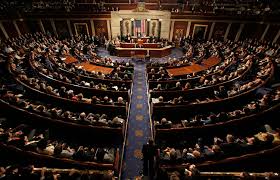
American politics has always been a lively tug-of-war, but the growing influence of party factions has turned the rope into a tangled knot. From the evangelical Christian Right to the progressive Squad, factions within the Democratic and Republican parties shape policies, campaigns, and public perception more than ever. As someone who’s watched friends argue over Thanksgiving dinner about everything from tax cuts to climate change, I’ve seen firsthand how these divides ripple into everyday life. This article explores the history, dynamics, and impact of party factions in the U.S., offering a clear, engaging guide to understanding their role in our political landscape.
What Are Party Factions?
Defining the Political Divide
Party factions are subgroups within a political party that share distinct ideologies, priorities, or policy goals, often clashing with the broader party platform. Think of them as cliques in a high school cafeteria—each with its own vibe, agenda, and occasional grudges. In the U.S., factions have become more pronounced as polarization deepens, pulling parties toward extremes or creating internal power struggles.
A Brief History of Factions in American Politics
Early Roots of Division
Factions aren’t new; they’ve been around since the ink dried on the Constitution. The Federalists and Anti-Federalists bickered over centralized power, setting the stage for today’s ideological battles. By the mid-19th century, divisions within parties like the Whigs over slavery led to their collapse, birthing the Republican Party. History shows factions can both destroy and reshape political landscapes.
The 20th Century: Factions Evolve
Fast forward to the 20th century, and factions became more structured. The Democratic Party’s New Deal coalition united labor unions, urban voters, and Southern conservatives, but cracks formed as civil rights debates intensified. Meanwhile, the Republican Party saw tensions between its business-oriented establishment and emerging conservative movements, like the Goldwater conservatives of the 1960s.
Major Factions in Today’s Democratic Party
The Progressive Wing
Led by figures like Alexandria Ocasio-Cortez and Bernie Sanders, progressives push for bold reforms like Medicare for All and the Green New Deal. This faction thrives on grassroots energy, appealing to younger voters and those frustrated with incremental change. Their influence has grown, but they often clash with moderates over electability and pragmatism.
The Moderate Establishment
The moderate wing, represented by leaders like Nancy Pelosi and Joe Biden, favors coalition-building and incremental policy wins. They prioritize electability and appeal to swing voters, often frustrating progressives who see them as too cozy with corporate interests. This group holds significant institutional power within the party.
Other Notable Democratic Factions
- Blue Dog Coalition: Conservative Democrats who focus on fiscal responsibility and often align with Republicans on economic issues.
- New Democrats: Centrists who embrace pro-business policies while supporting social liberalism, often bridging the progressive-moderate divide.
- Justice Democrats: A newer faction pushing for systemic change, often overlapping with progressives but more focused on ousting establishment figures.
Major Factions in Today’s Republican Party
The Christian Right
The Christian Right, rooted in evangelical and socially conservative values, has been a powerhouse since the 1970s. Figures like Mike Huckabee champion issues like opposition to abortion and same-sex marriage. This faction’s influence is strong in red states but can alienate moderate Republicans.
The MAGA Movement
Born from Donald Trump’s rise, the Make America Great Again (MAGA) faction emphasizes nationalism, deregulation, and skepticism of institutions. Its loyal base drives primary elections, but its uncompromising stance sometimes struggles in general elections, creating tension with traditional conservatives.
Establishment Republicans
Often called “RINOs” (Republicans In Name Only) by their critics, establishment figures like Mitch McConnell focus on tax cuts, free markets, and institutional stability. They prioritize electability but face challenges from populist factions who view them as out of touch.
Other Notable Republican Factions
- Libertarians: Advocate for minimal government intervention, clashing with social conservatives on issues like drug legalization.
- Neoconservatives: Favor a strong foreign policy and interventionism, though their influence has waned in recent years.
- Freedom Caucus: A hardline conservative group pushing for limited government and strict adherence to constitutional principles.
How Factions Shape American Politics
Policy Influence
Factions drive the policy agenda by amplifying specific issues. Progressives, for example, pushed climate change into the Democratic mainstream, while the MAGA faction made immigration a Republican rallying cry. These priorities often dominate primary debates, forcing candidates to cater to factional demands before pivoting to broader appeals.
Electoral Dynamics
Factions play a huge role in primaries, where their energized bases can make or break candidates. The Tea Party’s rise in 2010, for instance, swept conservative hardliners into Congress, reshaping the GOP. However, faction-driven candidates can struggle in general elections if their views are too extreme for swing voters.
Polarization and Gridlock
Factions contribute to polarization by pulling parties away from the center. When the Freedom Caucus blocks bipartisan deals or progressives demand sweeping reforms, compromise becomes harder. This gridlock frustrates voters but energizes factional bases, creating a vicious cycle.
Comparison: Democratic vs. Republican Factions
| Aspect | Democratic Factions | Republican Factions |
|---|---|---|
| Ideological Range | Progressive to moderate, with some conservative outliers | Socially conservative to libertarian, with populist surges |
| Key Issues | Healthcare, climate, social justice | Immigration, deregulation, traditional values |
| Influence in Primaries | Progressives dominate grassroots; moderates hold institutional power | MAGA and Christian Right dominate primaries; establishment struggles |
| General Election Impact | Progressives risk alienating swing voters; moderates stabilize | Populists energize base but may repel moderates |
Pros and Cons of Factions
Pros:
- Energize voter bases, increasing turnout.
- Push innovative policies that can become mainstream.
- Reflect diverse perspectives within parties.
Cons:
- Fuel polarization and legislative gridlock.
- Risk alienating swing voters in general elections.
- Create internal party strife, weakening unity.
The Role of Media and Technology
Traditional Media’s Amplification
Media outlets often amplify factional voices, giving airtime to the loudest or most controversial figures. Fox News, for example, boosts MAGA talking points, while MSNBC often elevates progressive voices. This creates echo chambers that reinforce factional divides.
Social Media and Factional Power
Social media platforms like X have supercharged factional influence. Hashtags and viral posts can rally supporters around niche issues, as seen with #MedicareForAll or #MAGA. However, this also spreads misinformation, as partisan news sites gain traction among factional audiences.
SEO and Political Messaging
Political campaigns now use search engine optimization (SEO) to boost factional messages. For instance, Elizabeth Warren’s campaign missed opportunities to rank for “student loan forgiveness” by not optimizing content, showing how SEO can make or break visibility. Candidates can use tools like Semrush to target informational, navigational, or transactional keywords to reach voters.
Real-Life Impact: A Personal Story
A few years ago, I attended a town hall in my hometown where a moderate Democratic congresswoman faced a room split between progressive activists and centrist voters. The progressives demanded bold climate action, while moderates wanted practical economic solutions. The tension was palpable, and the congresswoman struggled to bridge the gap. It was a microcosm of how factions can fracture even local politics, leaving leaders walking a tightrope to keep everyone happy.
Challenges Factions Pose to Unity
Internal Party Struggles
Factions often lead to public spats that weaken party unity. The 2020 Democratic primaries saw progressives and moderates clash over healthcare, with Sanders’ supporters accusing Biden of being too corporate. These battles can demoralize voters and give opponents ammunition.
Voter Confusion
For the average voter, factional infighting can be confusing. If you’re a casual observer, distinguishing between a Blue Dog Democrat and a Justice Democrat might feel like splitting hairs. This complexity can disengage voters who just want clear solutions.
Opportunities Factions Create
Driving Innovation
Factions often introduce bold ideas that reshape party platforms. The Green New Deal, initially a progressive pipe dream, has influenced mainstream Democratic climate policy. Similarly, the Tea Party’s focus on fiscal conservatism pushed the GOP toward stricter budget priorities.
Engaging New Voters
Factions can energize previously apathetic voters. The MAGA movement, for instance, brought working-class voters into the Republican fold, while progressives have mobilized younger, diverse demographics for Democrats. This engagement can expand electoral coalitions.
People Also Ask (PAA) Section
What are political factions in the United States?
Political factions are subgroups within parties with distinct ideologies or priorities, like the progressive wing of Democrats or the MAGA faction of Republicans. They influence policy and elections but can create internal divisions.
How do factions affect elections?
Factions dominate primaries by mobilizing dedicated supporters, but their candidates may struggle in general elections if their views are too extreme. They shape party platforms and voter turnout.
Why do political parties have factions?
Factions arise from diverse voter interests and ideological differences. They reflect the complexity of American society, pushing parties to address varied concerns but also creating tension.
How can voters learn about party factions?
Voters can explore factional platforms through official party websites, Ballotpedia, or news outlets. Following candidates on social media or checking ad transparency tools like Google’s Ads Transparency Center can also reveal factional priorities.
Best Tools for Understanding Factions
- Ballotpedia: A digital encyclopedia offering detailed breakdowns of political parties and factions. Great for informational searches.
- Google Ads Transparency Center: Tracks political ad spending, revealing which factions are pushing specific messages. Useful for transactional insights.
- OpenSecrets: Tracks campaign donations and lobbying, showing financial backing behind factions. Ideal for navigating influence networks.
- Semrush: Helps analyze SEO strategies of political campaigns, showing how factions target voters online. Perfect for digital marketers or curious voters.
FAQ Section
What is the difference between a faction and a political party?
A faction is a subgroup within a party with specific ideological goals, while a party is a broader organization with a unified platform. Factions influence but don’t control the party.
How do factions form within parties?
Factions form when groups of party members rally around shared values or issues, often driven by social movements, charismatic leaders, or regional priorities.
Can factions destroy a political party?
Yes, factions can fracture parties if divisions grow too deep. The Whig Party’s collapse in the 1850s over slavery is a classic example.
How do factions use social media?
Factions leverage platforms like X to amplify their messages, engage supporters, and target specific voter demographics, often using tailored ads or hashtags.
Where can I find reliable information on factions?
Check trusted sources like Ballotpedia, OpenSecrets, or academic journals for unbiased insights. Avoid partisan news sites that may skew information.
The Future of Factions in American Politics
As I reflect on those heated Thanksgiving debates, it’s clear factions aren’t going anywhere. They’re the spice in America’s political stew—sometimes too hot, sometimes just right. With social media amplifying voices and SEO shaping visibility, factions will keep evolving, pushing parties to adapt or risk fracturing. By understanding their dynamics, voters can cut through the noise, make informed choices, and maybe even enjoy that next family dinner without a political food fight.