
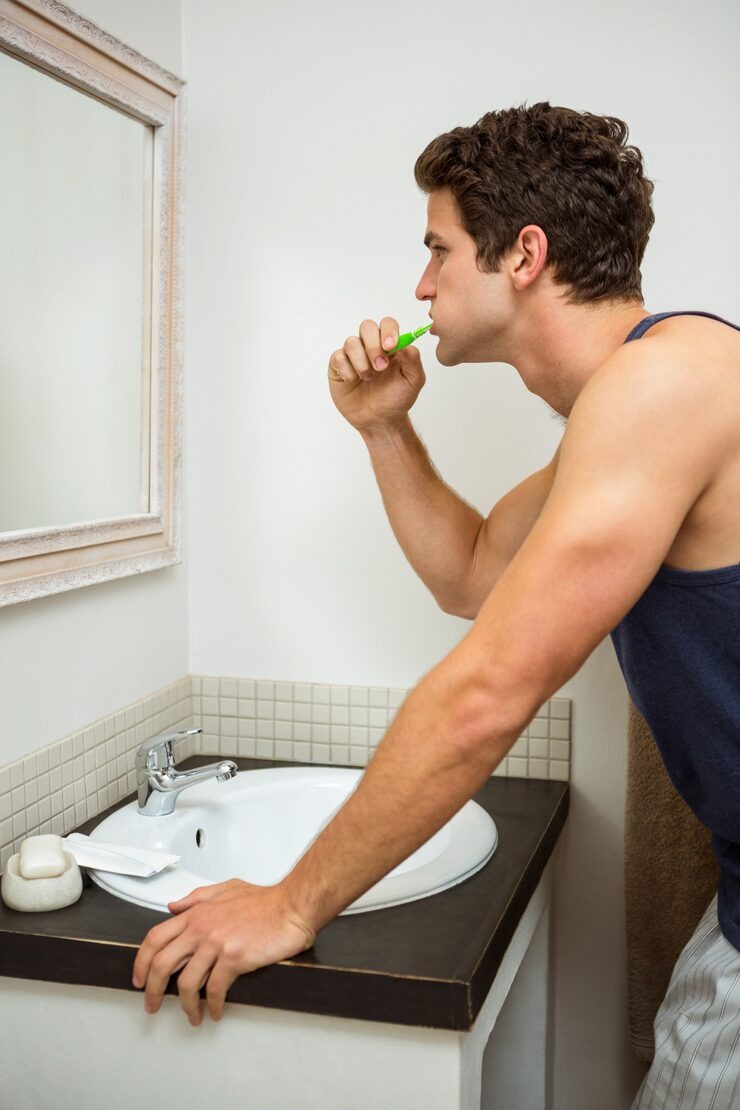
Maintaining personal hygiene isn’t just about looking good—it’s about feeling great and staying healthy. Good hygiene practices protect you from illness, boost your confidence, and even improve your mental well-being. In this comprehensive guide, I’ll share practical, actionable tips to elevate your hygiene game, drawing from my own experiences and expert insights. Whether you’re a busy parent, a student, or someone looking to refine their routine, this article will help you build habits that stick.
Why Personal Hygiene Matters
Personal hygiene is the foundation of a healthy lifestyle. It prevents the spread of germs, reduces the risk of infections, and helps you present your best self to the world. From brushing your teeth to washing your hands, these small acts have a big impact on your physical and mental health. Let’s dive into the essentials of keeping clean and why they’re non-negotiable.
The Health Connection
Good hygiene directly reduces your risk of bacterial and viral infections. For example, regular handwashing can cut the spread of illnesses like the flu by up to 50%. It also keeps your skin healthy and prevents issues like acne or fungal infections. Beyond physical health, feeling clean boosts your mood and self-esteem—there’s nothing like a fresh shower to make you feel unstoppable.
The Social Impact
Ever noticed how a fresh haircut or a clean outfit makes you feel more confident in social settings? Hygiene signals respect for yourself and others. It’s not just about avoiding bad breath; it’s about showing the world you care. People are more likely to trust and engage with someone who looks and smells well-groomed.
Daily Hygiene Habits to Adopt
Building a solid hygiene routine doesn’t require hours of effort. It’s about consistency and choosing habits that fit your lifestyle. Below are the must-do daily practices that keep you healthy and polished.
Handwashing: Your First Line of Defense
Handwashing is the unsung hero of personal hygiene. The CDC recommends washing your hands for at least 20 seconds with soap and water to remove germs effectively. I learned this the hard way after catching a stomach bug from a poorly washed cutting board—trust me, you don’t want to skip this step.
- When to wash: Before eating, after using the bathroom, or touching public surfaces.
- Pro tip: Keep a travel-sized hand sanitizer for when soap isn’t available.
- Mistake to avoid: Don’t rush—humming “Happy Birthday” twice ensures you hit the 20-second mark.
Brushing and Flossing for a Healthy Smile
Dental hygiene is non-negotiable. Brushing twice daily and flossing once a day prevent cavities and gum disease. I used to skip flossing, thinking it was optional, until my dentist showed me the plaque buildup—yikes! Now, it’s a nightly ritual, and my checkups are a breeze.
- Best tools: Use a soft-bristled toothbrush and fluoride toothpaste.
- Flossing tip: Try dental picks if traditional floss feels awkward.
- Bonus: Consider a tongue scraper to banish bad breath.
Showering: More Than Just a Rinse
A daily shower keeps your skin clean and odor at bay. Use a mild soap to avoid stripping your skin’s natural oils. I once overused harsh body wash and ended up with dry, itchy skin—lesson learned: less is more when it comes to soap.
- Frequency: Daily, or every other day if you have dry skin.
- Focus areas: Armpits, groin, and feet need extra attention.
- Post-shower: Moisturize within three minutes to lock in hydration.
Weekly Hygiene Habits for Extra Care
Some hygiene tasks don’t need daily attention but are crucial for long-term health. These weekly rituals ensure you’re covering all bases without overwhelming your schedule.
Deep-Cleaning Your Hair
Shampooing too often can strip your scalp of natural oils, but a weekly deep clean keeps your hair healthy. I struggled with dandruff until I started using a clarifying shampoo once a week—it’s a game-changer for scalp health.
- How often: 1–2 times per week, depending on your hair type.
- Product tip: Choose sulfate-free shampoos for gentler cleansing.
- Scalp care: Massage your scalp to boost circulation and reduce flakes.
Nail Care: Trim and Clean
Long nails can harbor bacteria, and chipped polish looks sloppy. Trim your nails weekly and clean under them to prevent dirt buildup. I once neglected a hangnail, and it got infected—now I keep a nail clipper handy at all times.
- Tools: Use a quality nail clipper and file for smooth edges.
- Cuticle care: Apply cuticle oil to keep them soft and prevent tearing.
- Sanitation: Clean your tools with alcohol to avoid infections.
Exfoliation for Smooth Skin
Exfoliating removes dead skin cells, preventing clogged pores and ingrown hairs. Overdo it, though, and you’ll irritate your skin. I learned to stick to 1–2 times a week after over-scrubbing left my face red and raw.
- Best method: Use a chemical exfoliant (like salicylic acid) for sensitive skin.
- Body exfoliation: Try a loofah or scrub for rough areas like elbows.
- Caution: Avoid exfoliating broken or irritated skin.
Hygiene Tools: What You Need
Investing in the right tools makes hygiene easier and more effective. Here’s a breakdown of must-have products and their benefits, based on my own trial and error.
| Tool | Purpose | Recommended Product | Price Range |
|---|---|---|---|
| Electric Toothbrush | Deep cleans teeth and gums | Oral-B iO Series | $100–$200 |
| Body Wash | Cleanses skin without stripping oils | CeraVe Hydrating Body Wash | $10–$15 |
| Nail Clipper | Keeps nails tidy and bacteria-free | Tweezerman Stainless Steel Clipper | $8–$12 |
| Exfoliating Scrub | Removes dead skin for smoothness | Paula’s Choice 2% BHA Liquid Exfoliant | $25–$35 |
| Hand Sanitizer | Kills germs on the go | Purell Advanced Hand Sanitizer | $3–$5 |
Pros and Cons of Electric vs. Manual Toothbrushes
- Electric Toothbrush
Pros: More effective at removing plaque, built-in timers, better for gum health.
Cons: Higher cost, requires charging or batteries. - Manual Toothbrush
Pros: Affordable, no maintenance, travel-friendly.
Cons: Less effective, requires more effort for thorough cleaning.
Hygiene for Specific Needs
Not everyone’s hygiene needs are the same. Factors like skin type, lifestyle, and environment play a role. Here’s how to tailor your routine.
Hygiene for Oily Skin
Oily skin requires gentle cleansing to avoid overproduction of sebum. I used to scrub my face aggressively, thinking it would control oil, but it only made things worse. Now, I use a gel-based cleanser twice daily and a weekly clay mask.
- Cleanser: Look for salicylic acid or benzoyl peroxide.
- Moisturizer: Opt for oil-free, non-comedogenic products.
- Avoid: Overwashing, which can trigger more oil production.
Hygiene for Active Lifestyles
If you’re a gym-goer or outdoor enthusiast, sweat can lead to body odor and skin issues. Showering immediately after a workout and using an antibacterial body wash saved me from embarrassing locker room moments.
- Post-workout: Use a separate towel for sweat to avoid spreading bacteria.
- Foot care: Wear moisture-wicking socks to prevent athlete’s foot.
- Gear hygiene: Wash gym clothes after every use.
Hygiene in Hot Climates
Hot, humid weather increases sweat and bacteria growth. I once traveled to a tropical area and underestimated the need for frequent showers—let’s just say I learned to pack extra deodorant.
- Deodorant: Choose an antiperspirant for sweat control.
- Clothing: Opt for breathable fabrics like cotton or linen.
- Tip: Carry face wipes for quick refreshers during the day.
Common Hygiene Mistakes to Avoid
Even the best intentions can go awry if you’re making these common mistakes. Here’s what to watch out for.
Overwashing Your Face
Washing your face more than twice a day can strip natural oils, leading to dryness or breakouts. I fell into this trap during my teens, thinking more was better. Stick to morning and night for balanced skin.
Neglecting Your Feet
Feet are often overlooked, but they’re prone to odor and infections. Soak them weekly in warm water with Epsom salt, and always dry between your toes to prevent fungal growth.
Using Dirty Towels
Reusing damp towels breeds bacteria. I once noticed a musty smell on my towel and realized I hadn’t washed it in weeks—gross! Wash towels every 3–4 uses for freshness.
People Also Ask (PAA)
Below are real questions from Google’s “People Also Ask” section, answered concisely to optimize for featured snippets.
What Are the 7 Personal Hygiene Practices?
The seven key personal hygiene practices are: handwashing, brushing and flossing teeth, showering, hair care, nail maintenance, wearing clean clothes, and foot hygiene. These habits prevent infections and boost overall health. Practice them daily for best results.
How Can I Improve My Personal Hygiene?
Improve hygiene by setting a daily routine: wash hands frequently, brush teeth twice daily, shower regularly, and use clean towels. Invest in quality tools like an electric toothbrush and use products suited to your skin type. Consistency is key.
What Are the Best Hygiene Products for Sensitive Skin?
For sensitive skin, choose fragrance-free, hypoallergenic products like CeraVe Hydrating Cleanser, Dove Unscented Soap, and Vanicream Moisturizer. Always patch-test new products. Avoid harsh exfoliants or alcohol-based formulas to prevent irritation.
Where Can I Find Affordable Hygiene Products?
Affordable hygiene products are available at drugstores like CVS or Walgreens, online retailers like Amazon, or discount stores like Target. Look for store brands or bulk deals. Subscription services like Dollar Shave Club also offer cost-effective options.
Best Tools for Personal Hygiene
Investing in the right products makes hygiene effortless. Here are my top picks for tools that deliver results without breaking the bank.
- Oral-B iO Series Toothbrush: Removes 100% more plaque than manual brushes.
- CeraVe Hydrating Body Wash: Gentle for all skin types, fragrance-free.
- Tweezerman Nail Clipper: Durable and precise for clean cuts.
- Purell Hand Sanitizer: Kills 99.9% of germs, perfect for travel.
For budget-friendly options, check out store brands at Walmart or Amazon Basics for similar quality at lower prices. If you’re eco-conscious, consider reusable tools like bamboo toothbrushes or washable makeup remover pads.
Hygiene and Mental Health
Hygiene isn’t just physical—it’s a mood booster. Taking a warm shower after a long day feels like hitting the reset button. Studies show that grooming rituals reduce stress and increase self-esteem. When I’m feeling down, a quick face wash and fresh clothes always lift my spirits.
Building a Routine That Feels Good
Create a hygiene routine that feels like self-care, not a chore. Light a candle during your evening shower or play your favorite podcast while brushing your teeth. Small touches like these make hygiene enjoyable and sustainable.
FAQ Section
How Often Should I Shower?
Most people benefit from showering daily, but every other day is fine for dry skin types. Focus on cleansing sweat-prone areas like armpits and groin. Use a mild soap to avoid irritation.
Can Poor Hygiene Cause Health Issues?
Yes, poor hygiene can lead to infections, skin issues, and dental problems. For example, skipping handwashing increases the risk of flu or foodborne illnesses. Regular hygiene reduces these risks significantly.
What’s the Best Way to Prevent Body Odor?
To prevent body odor, shower daily with antibacterial soap, use an antiperspirant, and wear breathable fabrics. Wash clothes after each use, especially workout gear. A diet low in processed foods can also help.
How Do I Choose Hygiene Products for My Skin Type?
Identify your skin type (oily, dry, sensitive, or combination) and choose products labeled for it. For sensitive skin, opt for fragrance-free options. Test products on a small area first to avoid reactions.
Why Is Flossing So Important?
Flossing removes food particles and plaque between teeth, preventing cavities and gum disease. It reaches areas your toothbrush can’t, reducing the risk of bad breath and dental issues. Daily flossing is ideal.
Final Thoughts
Personal hygiene is more than a daily chore—it’s a powerful way to care for your body and mind. By building simple habits like handwashing, brushing, and showering, you’re investing in your health and confidence. Start small, choose products that work for you, and make your routine a moment of self-care. Here’s to a cleaner, healthier you!