
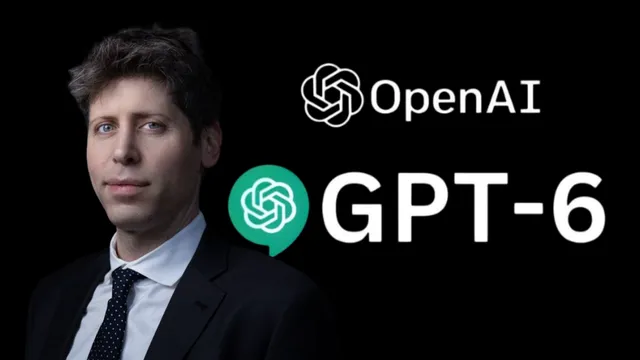
The Dawn of a New AI Era
Imagine chatting with an AI that remembers your favorite coffee order, your preferred writing style, or even the quirky way you phrase questions. That’s the vision OpenAI CEO Sam Altman painted when he teased GPT-6, the next leap in artificial intelligence, in a recent San Francisco press briefing. After the rocky rollout of GPT-5 in August 2025, Altman is betting big on memory as the feature that will redefine how we interact with AI. “People want memory,” he said, emphasizing a shift from raw processing power to a deeply personal, adaptive experience.
What Makes GPT-6 Different?
A Focus on Memory and Personalization
Unlike its predecessors, GPT-6 aims to retain context across conversations, making it feel like a trusted companion rather than a forgetful chatbot. This memory feature will allow the AI to recall user preferences, routines, and even tone, creating a seamless, human-like interaction. Altman called this his “favorite feature” of the year, signaling a transformative step toward AI that evolves with you.
Why Memory Matters
Memory in AI isn’t just about recalling facts—it’s about understanding you. GPT-6 could remember if you prefer concise answers or detailed explanations, track your progress on multi-step tasks, or adapt its tone to match your mood. This shift from transactional Q&A to an ongoing relationship could make AI a true digital assistant, saving time and fostering trust.
Lessons from GPT-5’s Missteps
GPT-5’s launch was a wake-up call for OpenAI. Users criticized its colder tone and lack of emotional connection, with some even demanding the return of GPT-4o. Altman admitted the company “screwed up” the rollout, prompting a swift tone update to make GPT-5 “warmer.” GPT-6’s focus on memory is a direct response to these complaints, aiming to restore the emotional bond users craved.
The Power of Memory in AI
How GPT-6 Will Remember You
Picture this: you’re working on a coding project, and GPT-6 recalls the specific libraries you used last week, suggesting optimizations without you repeating details. Or maybe you’re planning a trip, and it remembers your love for budget-friendly hotels. This level of personalization could revolutionize industries like customer service, education, and creative writing.
Key Features of GPT-6’s Memory
- Preference Retention: GPT-6 will learn whether you want quick summaries or in-depth analyses.
- Context Continuity: It will pick up where you left off, reducing repetitive explanations.
- Tone Customization: Users can tweak the AI’s personality, from “super woke” to conservative, per Altman’s vision.
- Task Tracking: It can monitor progress on long-term projects, like writing a novel or managing a business.
The Emotional Connection
I remember the first time I used ChatGPT—it felt like magic, but also a bit like talking to a stranger who forgot everything I said the next day. GPT-6’s memory could change that, making AI feel like a friend who knows your quirks. Altman’s team is even working with psychologists to ensure these interactions enhance well-being, a nod to the emotional ties users form with AI.
Privacy: The Elephant in the Room
The Risks of Remembering
With great memory comes great responsibility. Altman acknowledged that GPT-6’s memory features raise serious privacy concerns, especially since current temporary memory isn’t encrypted. Sensitive data, like medical or legal queries, could be exposed without robust safeguards. “It’s in society’s interest for people to get good medical advice,” Altman said, hinting at future encryption but offering no firm timeline.
Balancing Convenience and Security
To address these risks, OpenAI plans to implement user controls, allowing you to manage or erase stored data. Transparent storage policies and strong encryption will be critical to prevent misuse. Without these, the promise of a personal AI could feel more like surveillance than support.
Privacy Features to Expect
| Feature | Description |
|---|---|
| Data Control | Users can view, edit, or delete stored memory. |
| Encryption | Potential addition to protect sensitive information. |
| Selective Memory | Option to tag conversations (e.g., “Health” or “Work”) for selective recall. |
| Transparency | Clear policies on how data is stored and used. |
GPT-6 vs. GPT-5: A Comparison
What Went Wrong with GPT-5?
GPT-5, launched in August 2025, promised advanced reasoning and token flexibility but fell short of expectations. Users found it less engaging, with a mechanical tone that felt like a step back from GPT-4o’s warmth. Social media buzzed with complaints, with some calling it a “disaster.” OpenAI’s quick pivot to GPT-6 suggests a lesson learned: users value emotional connection over raw intelligence.
How GPT-6 Aims to Fix It
| Aspect | GPT-5 | GPT-6 (Expected) |
|---|---|---|
| Tone | Colder, mechanical | Warmer, adaptive |
| Memory | Limited, session-based | Long-term, cross-session retention |
| Personalization | Basic customization | Deeply tailored to user preferences |
| Release Timeline | August 2025 | Likely 2026, faster than GPT-4 to 5 |
Why the Rush?
Altman hinted that GPT-6 will arrive sooner than the 16-month gap between GPT-4 and GPT-5, driven by competitive pressures from rivals like Anthropic and xAI. But this haste raises questions: can OpenAI balance speed with safety? The tech community is watching closely, with some skeptics warning that rapid releases could compromise rigorous testing.
The Broader Implications of GPT-6
Transforming Industries
GPT-6’s memory could be a game-changer for businesses. Imagine a customer service AI that remembers every interaction, offering tailored support without repeating questions. In education, it could track a student’s learning pace, adjusting lessons accordingly. For creatives, it could recall your writing style, making it a true collaborator.
Pros and Cons of GPT-6’s Memory
Pros:
- Enhanced user experience through personalized interactions.
- Time savings by reducing repetitive inputs.
- Potential to build trust and emotional bonds with AI.
Cons:
- Privacy risks if data isn’t properly encrypted.
- Ethical concerns about AI storing sensitive information.
- Possible reinforcement of information bubbles if customization goes too far.
Regulatory Challenges
Altman noted that GPT-6 will comply with a Trump-era executive order requiring AI systems used by the federal government to be ideologically neutral yet customizable. This flexibility—allowing users to set the AI’s tone from “super woke” to conservative—raises questions about deepening ideological divides. Will personalization empower users or trap them in echo chambers?
People Also Ask (PAA)
What is GPT-6’s memory feature?
GPT-6’s memory feature allows the AI to retain context across conversations, remembering user preferences, routines, and communication styles. This makes interactions feel more personal and continuous, unlike GPT-5’s session-based approach. It aims to transform AI into a trusted companion.
When will GPT-6 be released?
While no official release date has been announced, Altman suggested GPT-6 will arrive faster than the 16-month gap between GPT-4 and GPT-5, potentially in 2026. The accelerated timeline reflects OpenAI’s response to user feedback and competitive pressures.
How will GPT-6 handle privacy concerns?
OpenAI plans to introduce user controls to manage or erase stored data, with potential encryption for sensitive information. However, Altman noted that current temporary memory lacks encryption, and no firm timeline for these safeguards has been shared.
How does GPT-6 compare to other AI models?
Unlike competitors like Anthropic’s Claude or xAI’s Grok, GPT-6 emphasizes long-term memory and personalization. While Claude focuses on safety and Grok prioritizes truth-seeking, GPT-6 aims to feel like a personal assistant tailored to individual needs.
The Human Side of AI
A Personal Story
Last year, I used ChatGPT to help draft a speech for a friend’s wedding. It was impressive but frustrating—I had to keep reminding it of my friend’s humor and the tone I wanted. With GPT-6, I imagine an AI that would’ve remembered those details after the first prompt, tweaking the speech to perfection over days. That’s the kind of connection Altman is chasing, and it’s hard not to get excited about it.
The Emotional Stakes
Altman’s comments about users forming “emotional ties” with AI hit home. On platforms like Reddit, users have shared stories of feeling validated by ChatGPT, only to be disappointed by GPT-5’s colder tone. GPT-6’s memory could restore that sense of companionship, but it also raises ethical questions. How much should an AI know about you? And how do we ensure it doesn’t exploit those bonds?
How to Prepare for GPT-6
For Businesses
If you run a small business, start exploring how memory-enabled AI could streamline operations. Test current ChatGPT features like custom GPTs to understand personalization. When GPT-6 arrives, it could enhance customer service or automate repetitive tasks, but be ready to demand clear privacy policies before diving in.
For Developers
Developers can leverage GPT-6’s memory for tools like GitHub Copilot, where context retention could improve code suggestions. Experiment with GPT-5’s proactive task features to get a head start. Stay updated via OpenAI’s blog for API announcements, as GPT-6’s capabilities could transform coding workflows.
For Everyday Users
Curious about GPT-6? Try ChatGPT’s current memory features, like conversation history, to get a taste of what’s coming. Visit OpenAI’s website for updates, or follow tech news on CNBC or Tom’s Guide for the latest insights. Be vocal about privacy concerns—your feedback could shape how OpenAI implements these features.
FAQ
What is the main focus of GPT-6?
GPT-6 prioritizes enhanced memory and personalization, allowing the AI to remember user preferences and maintain context across sessions for a more human-like experience.
How will GPT-6 improve on GPT-5?
Unlike GPT-5’s colder tone and limited memory, GPT-6 will offer warmer interactions, long-term context retention, and customizable personalities to better meet user needs.
Is GPT-6 safe to use for sensitive information?
Current memory features lack encryption, raising risks for sensitive data. OpenAI is exploring encryption and user controls, but no timeline exists. Proceed cautiously until safeguards are confirmed.
Where can I learn more about GPT-6?
Check OpenAI’s official blog at openai.com or follow trusted tech outlets like TechCrunch or The Verge for updates on GPT-6’s development and release.
What are the best tools to prepare for GPT-6?
Explore ChatGPT’s current features on chat.openai.com or experiment with OpenAI’s API for developers at platform.openai.com. Tools like GitHub Copilot can also help you understand AI personalization.
The Road Ahead
Altman’s vision for GPT-6 is bold: an AI that doesn’t just answer but adapts, remembers, and grows with you. It’s a step toward making technology feel less like a tool and more like a partner. But as I reflect on my own experiences with AI—marveling at its potential yet wary of its pitfalls—I can’t help but wonder: will GPT-6 deliver the personal connection we crave, or will privacy concerns cast a shadow? Only time will tell, but one thing’s clear: the future of AI is about to get a lot more human.