
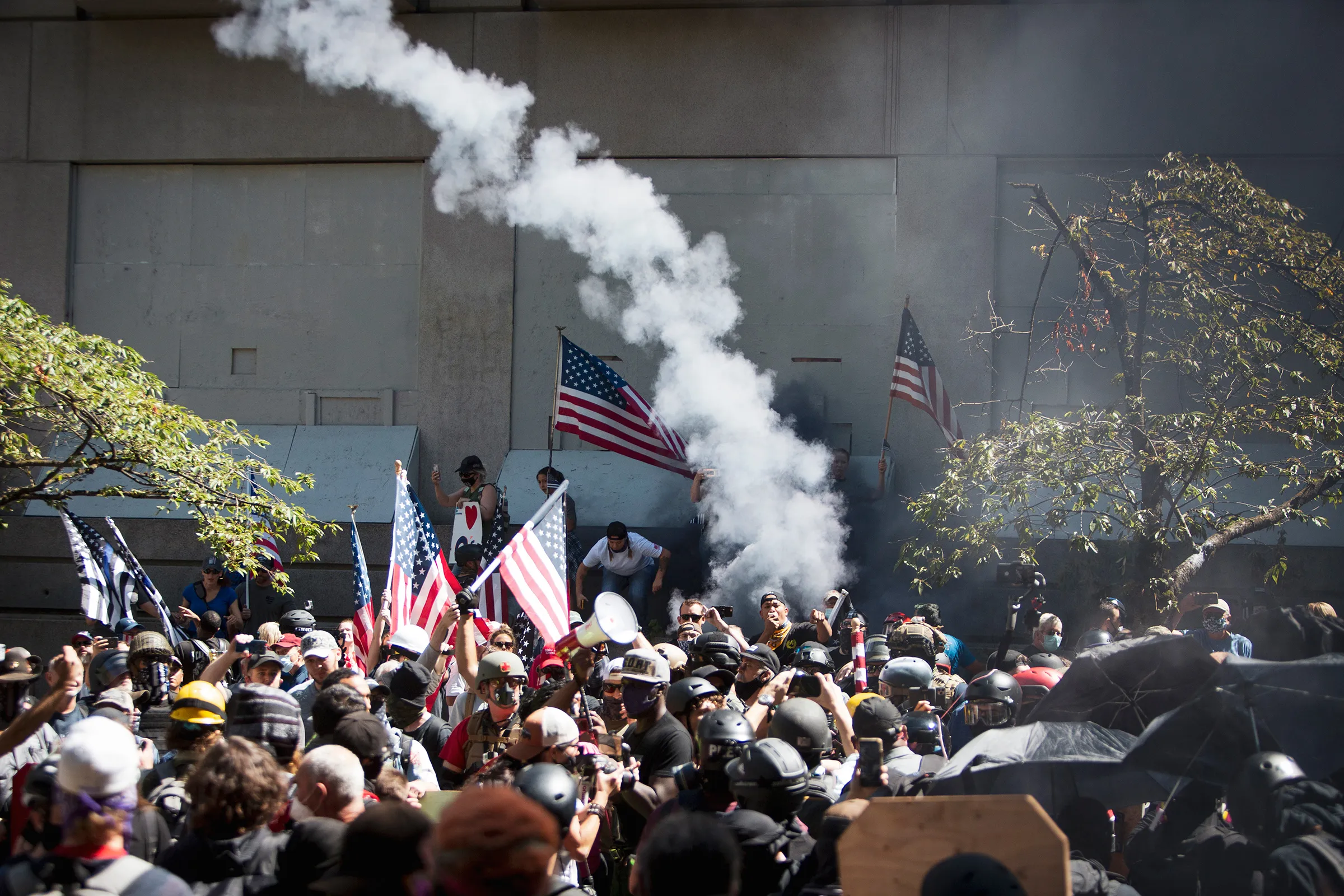
A Nation Divided: The Growing Rift
Imagine sitting at a family dinner where half the table is shouting about one set of beliefs while the other half argues back with equal fervor. That’s the United States in 2025—a country where political division has seeped into every corner of life, from Thanksgiving tables to social media feeds. Political polarization, the widening gap between ideological camps, has reshaped how Americans talk, think, and live. It’s not just about red versus blue anymore; it’s about how these divides fracture communities, strain relationships, and challenge the very fabric of democracy.
What Is Political Polarization?
Defining the Divide
Political polarization refers to the growing ideological distance between political parties and their supporters, coupled with increasing hostility toward opposing views. In the U.S., this manifests as a sharp split between Democrats and Republicans, with fewer people identifying as moderates. According to a 2021 Pew Research Center study, 92% of Republicans are now ideologically to the right of the median Democrat, and 94% of Democrats are to the left of the median Republican—a stark contrast to just 20 years ago.
Why It Matters
This divide isn’t just academic; it’s personal. Polarization affects how we choose friends, where we live, and even what news we trust. It’s why a simple conversation about healthcare or immigration can spiral into a heated argument. The stakes are high—polarization fuels distrust, gridlock in government, and, in extreme cases, political violence like the January 6, 2021, Capitol attack. Understanding it is the first step to navigating it.
The Roots of Division
Historical Context: A Polarized Past?
Political division isn’t new. The U.S. has always had factions—think Federalists versus Democratic-Republicans in the 1790s. But as USC historian Jeffery Jenkins notes, the mid-20th century’s bipartisanship was an anomaly, often rooted in alliances that suppressed marginalized groups’ rights. Today’s polarization feels intense because it’s amplified by modern factors like technology and economic shifts.
Economic Inequality and Social Sorting
Economic disparities fan the flames. As income inequality grows, so does resentment between groups. A 2023 study linked rising polarization to economic divides, with wealthier elites and working-class voters drifting further apart ideologically. Meanwhile, “social sorting”—where people live near those who share their politics—creates echo chambers. In 1976, only 27% of voters lived in “landslide counties” (where one party won by 20+ points); by 2024, that number neared 50%.
The Role of Media and Technology
Social media and partisan news outlets are polarization’s megaphone. Algorithms on platforms like YouTube push users toward extreme content, while cable news thrives on outrage. A 2021 study found only 11% of Republicans trust mainstream media, compared to 68% of Democrats. This creates parallel realities where each side consumes different facts. My cousin, a staunch conservative, once swore by a news outlet I’d never heard of—it was like we lived on different planets.
How Polarization Manifests Today
Partisan Gridlock in Congress
Congress is a battleground. In 2025, lawmakers struggle to pass basic legislation like government funding or border security bills. A 2023 Pew survey found 86% of Americans believe Republicans and Democrats focus more on fighting than solving problems. Redistricting battles, like those in Texas and California, further entrench power, with both sides accused of gerrymandering to secure seats.
Cultural and Social Fractures
Polarization isn’t confined to politics. It’s why a small town in Pennsylvania split over banning books in school libraries, as reported by PBS in 2023. Issues like abortion, gun rights, and LGBTQ policies spark visceral debates. For example, 79% of Americans support insurance covering pre-existing conditions, but only 60% agree on government-provided healthcare, with sharp partisan splits. These divides turn neighbors into adversaries.
The Rise of Identity Politics
Politics has become personal. A 2022 survey showed 58% of Democrats and 49% of Republicans consider political ideology crucial in relationships. I’ve seen friends unfollow each other on social media over a single post about immigration or taxes. This “affective polarization”—disliking the other side as people, not just their policies—makes compromise feel like betrayal.
The Consequences of a Divided Nation
Erosion of Trust in Institutions
Trust in government, media, and even science is at historic lows. Gallup’s 2024 poll found 80% of Americans see the nation as deeply divided on core values, a record high. Republicans, in particular, distrust federal agencies, with many rejecting the 2020 election results, culminating in events like the January 6 Capitol riot. Democrats, meanwhile, often view Republican policies as threats to democracy itself.
Mental Health and Social Strain
Political division takes a toll. In 2022, 11% of Democrats and 6% of Republicans sought therapy due to political stress. I remember a colleague who stopped attending family gatherings because debates over Trump’s policies left her drained. Social media amplifies this, with “media bubbles” reinforcing biases and fueling anger. It’s exhausting to feel like you’re always fighting.
The Threat of Political Violence
Polarization can turn deadly. The January 6 attack and the 2022 assault on Paul Pelosi highlight how rhetoric can escalate. A 2023 Carnegie Endowment study noted that political violence, often from far-right groups, is calculated and fueled by hyper-partisanship. While less common on the left, extreme rhetoric exists there too, creating a vicious cycle.
Comparing Polarization: Then vs. Now
| Aspect | 1994 | 2025 |
|---|---|---|
| Ideological Overlap | 64% of Republicans right of median Democrat | 92% of Republicans right of median Democrat |
| Media Trust | 17% of Republicans had very unfavorable views of Democrats | Only 11% of Republicans trust mainstream media |
| Landslide Counties | 27% of voters in landslide counties | Nearly 50% of voters in landslide counties |
| Partisan Animosity | Moderate dislike between parties | 81% of partisans view the other side unfavorably |
Analysis: The data shows a clear trend: polarization has deepened over decades. While 1994 saw some ideological overlap, today’s divide is stark, with media distrust and geographic sorting amplifying tensions.
Pros and Cons of Polarization
Pros
- Clearer Choices: Distinct party platforms give voters meaningful options.
- Mobilization: Strong beliefs drive higher voter turnout.
- Diversity of Views: Polarization reflects a natural range of perspectives.
Cons
- Gridlock: Compromise becomes nearly impossible, stalling progress.
- Social Division: Relationships suffer as politics becomes personal.
- Risk of Extremism: Polarization fuels radical rhetoric and potential violence.
Reflection: While polarization clarifies political choices, its downsides—like gridlock and social strain—often outweigh the benefits, making unity harder to achieve.
Can We Bridge the Divide?
Grassroots Efforts
Groups like Braver Angels are trying. They host workshops where Republicans and Democrats discuss issues face-to-face, seeking common ground. A friend who attended one said it was eye-opening to hear a conservative’s perspective without shouting. Research shows these dialogues can reduce hostility if focused on shared goals, like better working conditions.
Policy Solutions
Some suggest federalism—giving states more power—could ease tensions by letting regions govern according to local values. Others advocate for electoral reforms, like ranked-choice voting, to encourage moderation. Maine’s Governor Janet Mills, a moderate, has been floated as a potential bridge-builder for 2026 Senate races.
The Role of Individuals
It starts with us. Asking someone why they hold a view, rather than arguing, can soften divides. A 2013 study found that explaining policy preferences in detail leads to more moderate views. Next time you’re tempted to unfriend someone over a political post, try asking a question instead. It’s not easy, but it’s a start.
People Also Ask (PAA)
What causes political polarization in the U.S.?
Economic inequality, partisan media, and social sorting drive polarization. As people live near like-minded neighbors and consume tailored news, divisions deepen. Historical factors, like the Voting Rights Act’s realignment of voters, also play a role.
How does polarization affect democracy?
Polarization erodes trust in institutions, fuels gridlock, and risks political violence. It makes compromise harder, as seen in Congress’s struggles with funding bills, and can undermine democratic norms, as evidenced by the 2020 election disputes.
Can political polarization be reduced?
Yes, through dialogue, electoral reforms, and decentralizing power. Groups like Braver Angels foster understanding, while systems like ranked-choice voting could reward moderation. Individuals can help by listening rather than arguing.
What are the effects of polarization on society?
Polarization strains relationships, increases mental health issues, and deepens distrust in media and government. It also creates “media bubbles,” where people only hear views they agree with, making compromise feel impossible.
Tools and Resources to Understand Polarization
Best Tools for Staying Informed
- Pew Research Center: Offers data-driven reports on polarization trends. Visit pewresearch.org for surveys and typologies.
- AllSides: Provides balanced news from left, right, and center perspectives. Check allsides.com to compare coverage.
- Braver Angels: Hosts workshops to bridge divides. Explore braverangels.org for events and resources.
Where to Get Reliable Data
- Gallup: Tracks public sentiment on division and trust. Visit news.gallup.com for polls.
- Carnegie Endowment: Analyzes polarization and political violence. See carnegieendowment.org for in-depth studies.
- FEC.gov: Offers election data to understand voting patterns. Access fec.gov for results and candidate lists.
FAQ: Political Division in the U.S.
Why is the U.S. so politically divided?
Economic inequality, media echo chambers, and social sorting create parallel realities. People increasingly live near those who share their views, and partisan media reinforces biases, making compromise harder.
How does social media contribute to polarization?
Platforms like YouTube and X use algorithms that push extreme content, creating echo chambers. A 2019 study found these algorithms expose users to fringe views, deepening distrust and hostility.
What are the main issues dividing Americans?
Healthcare, abortion, gun laws, immigration, and government power top the list. Gallup’s 2024 poll showed growing partisan gaps on these issues, with little common ground.
Can individuals make a difference in reducing polarization?
Yes. Engaging in respectful dialogue, asking questions, and avoiding echo chambers can help. Joining groups like Braver Angels or supporting electoral reforms also makes an impact.
Is polarization worse now than in the past?
Yes, data shows ideological overlap between parties has nearly vanished since 1994, and partisan animosity is at historic highs. However, polarization has always existed—today’s scale is amplified by technology and media.
A Path Forward: Hope Amid Division
Polarization feels overwhelming, but it’s not the whole story. I think of my neighbor, a lifelong Republican, who invited his Democratic friend to a community cleanup. They didn’t agree on politics, but they bonded over a shared love for their town. Small acts like these—listening, engaging, finding common ground—remind us that division doesn’t have to define us. The U.S. is a messy, vibrant democracy, and while polarization challenges it, it also reflects our passion for what this country can be. Let’s keep talking, even when it’s hard.