
Introduction: A Shocking Move in Puerto Rico’s Financial Saga
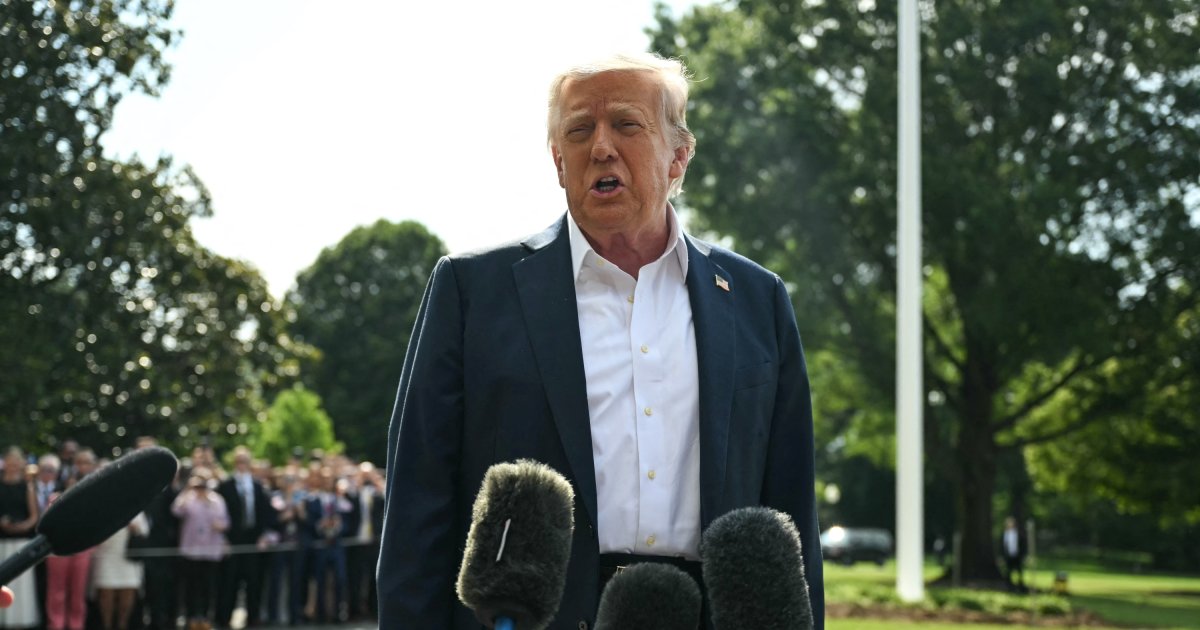
On August 5, 2025, President Donald Trump made headlines by firing five of the seven members of Puerto Rico’s Financial Oversight and Management Board (FOMB), a federal entity tasked with steering the island through its ongoing fiscal crisis. This bold decision, which left only two members standing, sent shockwaves through Puerto Rico and the broader financial world, raising questions about the island’s economic future and the legality of the move. In this article, we’ll unpack the context, implications, and controversies surrounding this unprecedented action, diving deep into why it matters to Puerto Ricans and what it means for the island’s fragile recovery.
What Is the Puerto Rico Financial Oversight and Management Board?
The FOMB, often referred to as “La Junta” by Puerto Ricans, was established in 2016 under the Puerto Rico Oversight, Management, and Economic Stability Act (PROMESA), signed into law by President Barack Obama. Its mission? To guide Puerto Rico out of a crippling debt crisis—over $70 billion in public debt—that led to the largest municipal bankruptcy in U.S. history. The board oversees the island’s budget, debt restructuring, and infrastructure projects, wielding significant power over local governance.
Why Was the Board Created?
Puerto Rico’s economy had been spiraling for years, plagued by mismanagement, a shrinking population, and a colonial status that limited its fiscal autonomy. PROMESA aimed to provide a structured path to solvency, but the board’s unelected nature and austerity measures have made it a lightning rod for criticism. Many Puerto Ricans view it as an undemocratic imposition, stripping local leaders of control.
The Board’s Structure and Powers
The FOMB consists of seven members appointed by the U.S. president, with one ex-officio member chosen by Puerto Rico’s governor (who has no voting rights). The board can approve fiscal plans, veto local legislation, and negotiate with creditors. Its decisions often prioritize bondholders over residents, leading to accusations of favoring Wall Street over Main Street—or, in this case, San Juan.
Trump’s Decision: Who Got Fired and Why?
On August 5, 2025, Trump dismissed five board members: Chairman Arthur J. Gonzalez, Cameron McKenzie, Betty A. Rosa, Juan A. Sabater, and Luis A. Ubiñas. The two remaining members, Andrew G. Biggs and John E. Nixon, are Republicans, while four of the fired members were appointed by Democratic presidents, and Rosa was initially nominated by Trump but later renominated by Biden. A White House official cited “inefficient and ineffective leadership” and “exorbitant salaries” as reasons for the firings, claiming the board’s average staff salary of $214,000 was 1,065% higher than Puerto Rico’s median household income of $20,078.
The Timing and Context of the Firings
The dismissals came amid heated negotiations over the Puerto Rico Electric Power Authority’s (PREPA) $9 billion debt, with the board proposing to slash bondholder repayments from $8.5 billion to $2.6 billion to avoid raising electricity rates for residents already grappling with frequent outages. The move also followed criticism from far-right figures like Laura Loomer, who called the board a “colossal failure” and urged Trump to act.
Was It Legal? The PROMESA Clause
Under PROMESA, the president can remove board members only “for cause,” a vague term that has sparked debate. Critics, including bankruptcy law professor Alvin Velázquez, argue that the firings may violate this clause, as no specific misconduct was cited. The White House’s rationale—inefficiency and high salaries—may not meet the legal threshold, potentially setting the stage for lawsuits.
The Backstory: Puerto Rico’s Debt Crisis
To understand the significance of Trump’s decision, we need to rewind to Puerto Rico’s fiscal woes. By 2015, the island’s government admitted it couldn’t pay its $70 billion debt, a burden accumulated through decades of borrowing, tax breaks for corporations, and economic decline. Hurricanes Maria and Irma in 2017 exacerbated the crisis, devastating infrastructure and prompting mass emigration.
The Role of Bondholders and Vulture Funds
Puerto Rico’s debt attracted “vulture funds” like Golden Tree Asset Management, which bought bonds at a discount and demanded full repayment. The FOMB’s plan to reduce PREPA’s debt to $2.6 billion has enraged these creditors, who argue they’re entitled to more. Democratic Rep. Nydia Velázquez called this a battle of “Golden Tree versus the people of Puerto Rico,” highlighting the tension between corporate interests and residents’ needs.
The Human Cost of Austerity
The FOMB’s austerity measures—budget cuts, pension reductions, and tax hikes—have hit Puerto Ricans hard. With 60% of children living below the poverty line and chronic power outages, the island’s 3.5 million residents face daily struggles. I remember speaking with a friend from San Juan who described waiting hours for electricity to return, only to lose it again during a storm. These realities fuel resentment toward the board’s perceived indifference.
Reactions to the Firings: A Polarized Response
The firings elicited a spectrum of reactions, from cautious support to outright alarm. Puerto Rico’s Republican governor, Jenniffer González-Colón, who previously called for the board’s dissolution, expressed willingness to work with Trump’s new appointees. Meanwhile, Democrats and local activists fear the move signals a “Trumpian takeover” that could deepen austerity and favor bondholders.
Support from Conservative Voices
Conservative commentators like Laura Loomer and Roger Stone praised the firings, framing them as a blow against wasteful spending and Democratic influence. Posts on X echoed this sentiment, with users like @GuntherEagleman arguing the board’s high salaries and slow progress justified the purge.
Criticism from Democrats and Advocates
Congresswoman Nydia Velázquez condemned the firings as a “partisan purge” rather than genuine reform, warning that new appointees might prioritize creditors over Puerto Ricans. Advocacy groups like Boricuas Unidos en la Diáspora called for independence, arguing that the board’s existence reflects Puerto Rico’s colonial status.
The Implications: What’s Next for Puerto Rico?
Trump’s decision leaves the FOMB with only two members, raising questions about its ability to function. PROMESA requires a majority vote (four members) for major decisions like approving fiscal plans, but bylaws allow flexibility when membership drops below five. Still, the board’s diminished capacity could stall debt negotiations and infrastructure projects.
Potential Economic Fallout
Alvin Velázquez warned that the firings could trigger another crisis, especially if new appointees push for deals that burden ratepayers. For example, a higher PREPA debt repayment could raise electricity costs, further straining residents. Conversely, a streamlined board might expedite resolutions, though at what cost remains unclear.
Political Ramifications
The firings have reignited debates about Puerto Rico’s colonial status. Critics argue that the island’s lack of sovereignty leaves it vulnerable to federal overreach, whether from Democratic or Republican administrations. The push for statehood or independence, long a contentious issue, may gain traction as residents grapple with external control.
Comparing the FOMB Before and After the Firings
To illustrate the shift, let’s compare the board’s composition and priorities before and after August 5, 2025:
| Aspect | Before Firings | After Firings |
|---|---|---|
| Membership | 7 members (mixed political affiliations) | 2 members (both Republicans) |
| Leadership | Arthur J. Gonzalez (Chairman) | No chairman; Andrew Biggs, John Nixon remain |
| Debt Strategy | Proposed $2.6B PREPA debt repayment | Uncertain; likely creditor-friendly approach |
| Public Perception | Seen as austere, undemocratic | Viewed as politicized, potentially more austere |
Pros and Cons of the Firings
Pros:
- Potential Efficiency: A leaner board might make faster decisions, breaking the deadlock in debt talks.
- Cost Savings: Addressing high salaries could redirect funds to Puerto Rico’s needs.
- Political Alignment: Supporters argue new appointees may align with Trump’s economic vision, possibly attracting investment.
Cons:
- Legal Risks: The firings may violate PROMESA’s “for cause” requirement, inviting legal challenges.
- Economic Instability: A reduced board could delay critical fiscal plans, worsening Puerto Rico’s woes.
- Partisan Bias: Critics fear new members will prioritize bondholders, deepening austerity.
A Personal Perspective: Why This Matters
As someone who’s followed Puerto Rico’s struggles, I can’t help but feel a mix of hope and dread. The board’s track record—marked by secrecy and austerity—hasn’t inspired confidence, but Trump’s abrupt move feels like swapping one problem for another. I think of my friend in San Juan, who juggles candles and generators during outages. Will this shake-up bring relief, or just more chaos? The answer hinges on who Trump appoints next and whether they prioritize Puerto Ricans over profits.
People Also Ask (PAA)
Below are real questions from Google’s “People Also Ask” feature, answered concisely:
What is the Puerto Rico Financial Oversight Board?
The FOMB is a federal entity created in 2016 under PROMESA to manage Puerto Rico’s debt crisis, overseeing budgets and debt restructuring. It’s controversial for its unelected power and austerity measures.
Why did Trump fire the board members?
Trump cited inefficiency and high salaries, claiming the board failed to resolve Puerto Rico’s bankruptcy effectively. Critics see it as a partisan move to favor creditors.
Can the president legally fire FOMB members?
PROMESA allows removals “for cause,” but the vague term has led to debate. Legal challenges may arise if the firings lack clear justification.
How will this affect Puerto Rico’s economy?
The firings could delay debt restructuring, raise utility costs, or destabilize the economy, depending on new appointees’ priorities.
FAQ Section
Q: Who were the fired FOMB members?
A: Arthur J. Gonzalez (Chairman), Cameron McKenzie, Betty A. Rosa, Juan A. Sabater, and Luis A. Ubiñas were dismissed on August 5, 2025.
Q: What happens to the FOMB now?
A: With only two members, the board can operate under bylaws but may struggle with major decisions requiring four votes. New appointments will shape its direction.
Q: How does this impact Puerto Rico’s debt crisis?
A: The firings could stall PREPA debt negotiations, potentially leading to higher repayments or prolonged bankruptcy, affecting residents’ costs and services.
Q: Why is the FOMB controversial?
A: Many Puerto Ricans view it as an undemocratic body that prioritizes creditors over residents, imposing austerity that worsens poverty and infrastructure issues.
Q: Where can I learn more about PROMESA?
A: Visit the official PROMESA page for the full text of the law or check Puerto Rico’s FOMB website for updates.
Best Tools for Staying Informed
To keep up with Puerto Rico’s fiscal developments, consider these resources:
- El Nuevo Día: Puerto Rico’s leading newspaper for local perspectives. elnuevodia.com
- Bloomberg Law: Offers detailed financial and legal analysis. bloomberglaw.com
- The Latino Newsletter: Provides in-depth coverage of Puerto Rican issues. thelatinonewsletter.org
- X Platform: Follow accounts like @FOMBPR for real-time updates, but verify claims with primary sources.
Conclusion: A Crossroads for Puerto Rico
Trump’s firing of five FOMB members is a pivotal moment for Puerto Rico, a U.S. territory long caught between colonial constraints and economic hardship. While the move could streamline decision-making, it risks deepening austerity and alienating residents already weary of external control. As we await Trump’s new appointees, the stakes couldn’t be higher for Puerto Rico’s 3.5 million residents. Will this be a step toward recovery, or a deeper dive into crisis? Only time—and the next board’s actions—will tell. For now, Puerto Ricans deserve a voice in their future, not just a seat at the table.