
The Announcement That Shook the Furniture Industry
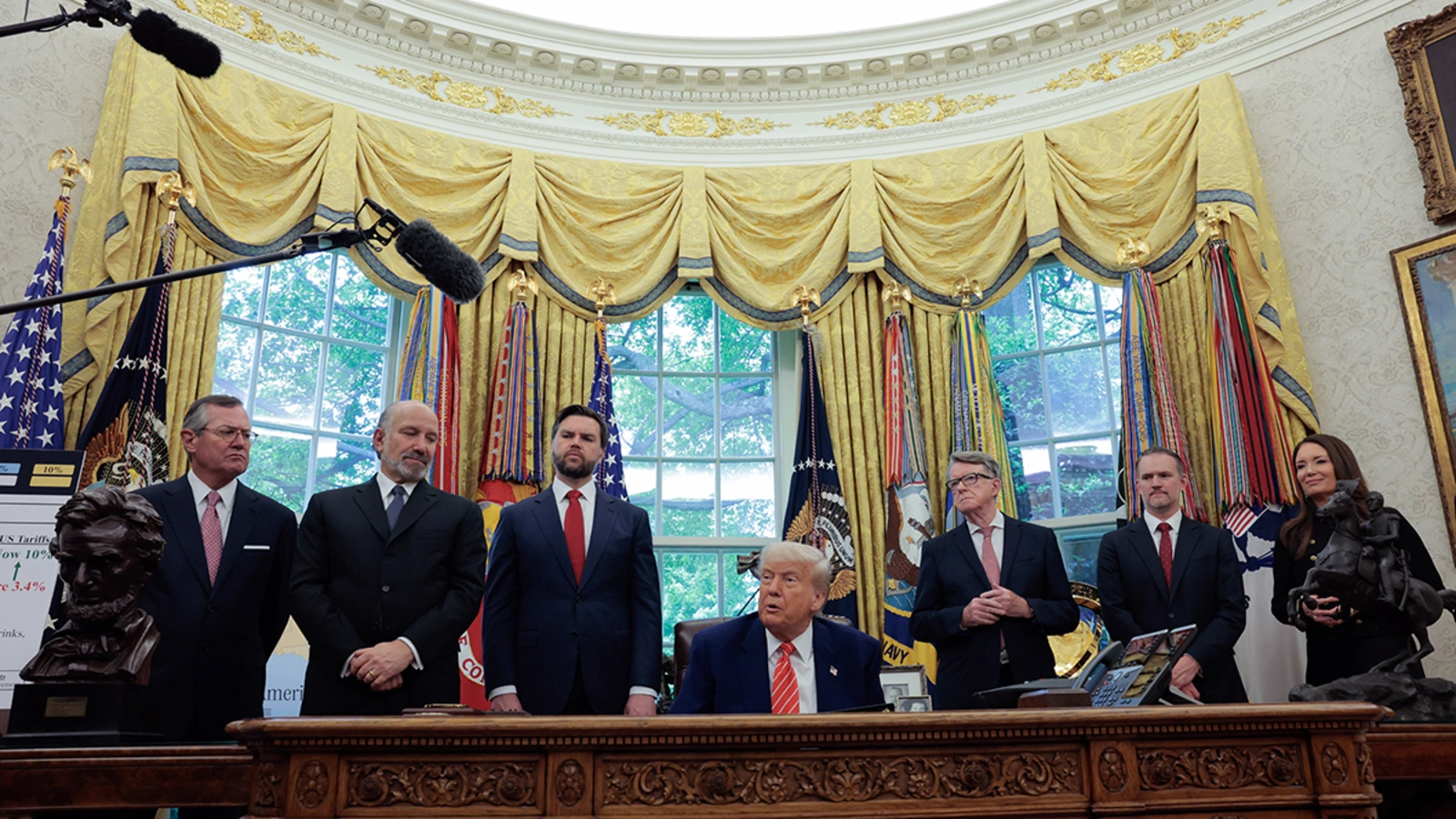
On August 22, 2025, President Donald Trump announced via Truth Social that his administration is launching a “major Tariff Investigation on Furniture coming into the United States,” with new tariffs set to take effect by October. This move, aimed at revitalizing domestic manufacturing in states like North Carolina, South Carolina, and Michigan, has sent ripples through the furniture industry. As someone who recently shopped for a new sectional sofa, I felt the sting of rising prices firsthand—my dream couch was $500 more expensive than last year. This article dives deep into what these tariffs mean for consumers, businesses, and the broader economy, offering practical advice to navigate the changes.
Understanding Trump’s Furniture Tariffs
What Are the Proposed Tariffs?
Trump’s announcement signals a new wave of tariffs on imported furniture, with rates yet to be determined but expected to align with existing trade policies, such as the 34% tariff on Chinese goods and 46% on Vietnamese imports. The investigation, set to conclude within 50 days, aims to address the $20 billion in consumer furniture imports in the first half of 2025 alone. These tariffs build on earlier 2025 measures, including a 10% universal tariff and reciprocal tariffs on over 60 countries.
Why Furniture? The Motivation Behind the Tariffs
The furniture industry is a prime target due to its heavy reliance on imports, particularly from China and Vietnam, which together account for 56% of U.S. furniture imports. Trump argues that these tariffs will bring manufacturing jobs back to the U.S., citing states with historically strong furniture industries. However, industry experts like Shannon Williams of the Home Furnishings Association are skeptical, noting that high labor costs and a lack of skilled workers make a full return to domestic production challenging.
A Personal Connection to the Furniture Market
Last spring, I visited a furniture outlet in North Carolina, hoping to snag a deal on a dining set. The salesperson mentioned that prices were creeping up due to “trade issues.” Little did I know, this was an early sign of Trump’s tariff policies taking effect. For consumers like me, these tariffs aren’t just policy jargon—they’re real dollars added to the cost of furnishing a home.
How Tariffs Are Already Impacting Furniture Prices
Rising Costs: The Numbers Tell the Story
Furniture prices have been climbing since early 2025. According to the Consumer Price Index, furniture and bedding prices rose 0.4% in June and 0.9% in July, with office, recreation, and patio furniture seeing spikes of 1.5–1.6% monthly since May. These increases contrast with the deflationary trends of the past two years, driven by the unwinding of pandemic-era demand.
| Month | Furniture & Bedding Price Increase | Other Furniture (Office, Patio, etc.) |
|---|---|---|
| May 2025 | 0.4% | 1.5% |
| June 2025 | 0.9% | 1.6% |
| July 2025 | 0.9% | 1.5% |
Why Prices Are Going Up
Tariffs increase the cost of imported goods, which U.S. retailers like Wayfair and RH often pass on to consumers. For example, a 46% tariff on Vietnamese furniture could raise the price of a $1,000 sofa by $300–400. Even U.S.-made furniture isn’t immune, as 50% of raw materials like wood, fabrics, and screws are imported, according to the Home Furnishings Association.
The Ripple Effect on Retailers
Major retailers like Wayfair, RH, and Williams-Sonoma saw their stocks plummet after Trump’s announcement, with Wayfair’s shares dropping nearly 28% in a single day. These companies, heavily reliant on imports, face a tough choice: absorb the costs and cut margins or raise prices and risk losing customers. As a shopper, I’ve noticed fewer discounts at big-box stores, a trend likely to worsen as tariffs intensify.
The Broader Economic Impact
Inflation and Consumer Spending
Economists warn that Trump’s tariffs could fuel inflation, with Yale’s Budget Lab estimating an additional $2,400 in annual costs for the average household. Furniture, being one of the largest categories of consumer goods imports, is particularly vulnerable. For budget-conscious families, this could mean delaying big purchases like a new dining table or sectional sofa.
Will Tariffs Bring Jobs Back?
Trump’s goal is to revive U.S. manufacturing, but the reality is complex. North Carolina, once a furniture-making hub, lost half its furniture jobs in the decade following relaxed trade barriers with China. Experts argue that high wages, healthcare costs, and a lack of skilled labor make a full return to domestic production unlikely. As one Furniture Today respondent put it, “Making it here would cause it to be too expensive for all but the wealthy.”
Global Supply Chain Shifts
Tariffs have already reshaped global supply chains. After Trump’s first-term tariffs, many manufacturers shifted production to Vietnam, but the new 46% tariff on Vietnamese goods could push companies to countries like Cambodia or Indonesia—potentially facing similar duties if Trump’s universal tariff expands. This constant reshuffling adds costs that ultimately hit consumers.
Pros and Cons of Furniture Tariffs
Pros of Trump’s Tariffs
- Potential Job Growth: If successful, tariffs could create jobs in states like North Carolina and Michigan.
- Increased Federal Revenue: Tariffs are projected to raise $2.3 trillion over a decade, potentially funding tax cuts or infrastructure.
- Support for U.S. Manufacturers: Companies like PS Furniture in Pennsylvania are seeing increased demand due to high tariffs on Chinese goods.
Cons of Trump’s Tariffs
- Higher Prices: Consumers face 30–40% price hikes on lounge chairs, sofas, and other furniture.
- Supply Chain Disruptions: Retailers and manufacturers struggle to adapt to rapidly changing trade policies.
- Retaliatory Tariffs: Countries like China and the EU have imposed counter-tariffs, affecting U.S. furniture exports worth $250 million annually from North Carolina alone.
How to Navigate Rising Furniture Prices as a Consumer
Shop Smart: Timing Your Purchases
With tariffs set to take effect by October, consider buying furniture before the new rates hit. Retailers may still have pre-tariff inventory, offering temporary savings. I learned this the hard way when I waited too long to buy a modular sofa, only to see the price jump overnight.
Explore Domestic and Secondhand Options
- Buy American-Made: Brands like La-Z-Boy, which manufactures primarily in the U.S., may be less affected by tariffs. Their stock rose after Trump’s announcement, signaling market confidence.
- Shop Vintage: Antiques and secondhand furniture, as noted by Chairish CEO Gregg Brockway, can bypass tariff-related price hikes. Check local thrift stores or platforms like Chairish for deals.
- Negotiate with Retailers: Some stores may offer discounts to clear inventory before tariffs fully impact pricing.
Where to Find Affordable Furniture
- Online Marketplaces: Sites like Wayfair and Overstock often have sales to offset tariff costs.
- Local Retailers: Independent stores may have lower overhead and more flexibility to negotiate.
- Direct-to-Consumer Brands: Companies like Article or Burrow cut out middlemen, potentially offering better value.
Best Tools for Budget-Friendly Furniture Shopping
- Honey: A browser extension that finds coupons and tracks price drops.
- CamelCamelCamel: Monitors price histories on Amazon to ensure you’re getting a deal.
- Furniture Deal Apps: Apps like Furnishare connect you with gently used furniture at a fraction of the cost.
People Also Ask (PAA)
How will Trump’s tariffs affect furniture prices in 2025?
Tariffs are already driving up furniture prices by 30–40%, with lounge chairs and modular sofas seeing the steepest increases. The proposed tariffs, expected by October, could further raise costs, especially for imports from China (34% tariff) and Vietnam (46% tariff).
Will tariffs bring furniture manufacturing back to the U.S.?
While Trump claims tariffs will revive domestic production, experts are skeptical due to high labor costs and a lack of skilled workers. Some U.S. manufacturers, like PS Furniture, are seeing increased demand, but significant job growth may take years.
How can I avoid tariff-related price hikes?
Shop for American-made or secondhand furniture, buy before new tariffs take effect, and use deal-finding tools like Honey or CamelCamelCamel to secure discounts.
Which countries are most affected by furniture tariffs?
China and Vietnam, the top two sources of U.S. furniture imports, face 34% and 46% tariffs, respectively. The EU (20%) and other countries under the 10% universal tariff are also impacted.
A Reality Check on Domestic Manufacturing
The Challenges of Bringing Jobs Back
While Trump’s vision of a revitalized U.S. furniture industry is appealing, the reality is daunting. North Carolina’s furniture sector, for example, relies on Canadian lumber, which now faces a 25% tariff. Combine this with high labor costs and a shortage of skilled workers, and it’s clear why many manufacturers are hesitant to relocate. As a furniture enthusiast, I’d love to see more “Made in USA” tags, but the economics are tough.
Success Stories and Cautionary Tales
PS Furniture in Pennsylvania is a rare success story, with sales booming due to tariffs on Chinese imports. Yet, even they haven’t expanded their workforce, highlighting the long-term investment needed for growth. On the flip side, retailers like Wayfair face declining stock prices and consumer pushback against higher costs, showing the tariffs’ double-edged sword.
What’s Next for the Furniture Industry?
Short-Term Pain, Long-Term Gain?
The immediate impact of tariffs is clear: higher prices and market uncertainty. Retailers are stockpiling inventory, and consumers are rethinking big purchases. But if tariffs persist, they could incentivize innovation in domestic manufacturing—think automation or new materials to reduce reliance on imports. The catch? These changes take years, not months.
Advice for Businesses
Furniture companies must adapt quickly. Strategies include:
- Diversify Supply Chains: Explore countries with lower tariffs, like Indonesia or Cambodia.
- Invest in Automation: Reduce labor costs to make U.S. production viable.
- Communicate with Customers: Be transparent about price increases to maintain trust.
FAQ
How much will furniture prices increase due to tariffs?
Prices have already risen 30–40% for some items, with further increases expected as new tariffs take effect by October. The exact hike depends on the final tariff rate, which is still under investigation.
Can I avoid tariff-related costs by buying used furniture?
Yes, shopping for vintage or secondhand furniture on platforms like Chairish or local thrift stores can bypass tariff-driven price increases, as these items are already in the U.S. market.
Will tariffs affect all furniture or just imports?
Only imported furniture is directly affected, but U.S.-made furniture may see price increases due to tariffs on imported raw materials like steel, aluminum, and lumber.
How long will the furniture tariffs last?
The duration is unclear, as tariffs are subject to legal challenges and trade negotiations. A 90-day truce delayed some tariffs, but new ones are set to take effect by October 2025.
Are there any exemptions to the furniture tariffs?
Semiconductors, pharmaceuticals, and critical minerals are currently exempt, but furniture has no such exclusions. Canada and Mexico have some exemptions under the USMCA, but these are limited.
Conclusion: Preparing for a Pricier Furniture Market
Trump’s furniture tariffs, set to roll out by October 2025, are poised to reshape the industry. For consumers, this means higher prices—potentially 30–40% more for that dream sofa or dining set. While the goal of reviving U.S. manufacturing is noble, the path is fraught with challenges, from labor shortages to global supply chain complexities. As someone who’s been burned by sticker shock, my advice is to shop smart: buy now before prices climb higher, explore secondhand options, and leverage deal-finding tools. For businesses, adapting to this new reality means diversifying supply chains and investing in innovation. The furniture market is changing, and whether you’re a shopper or a retailer, staying informed and agile is the key to thriving in this tariff-driven world.
Sources:
- The Washington Post, “Furniture prices rise, showing early signs of Trump’s trade war”
- CNBC, “Trump says furniture tariffs are coming later this year”
- Furniture Today, “Home furnishings industry braces for ‘very significant’, long duration impact from tariffs”
- CNN Business, “Higher tariffs on furniture to be announced within next 50 days, Trump says”
- @CNBCi on X, August 23, 2025