
Hey there, fellow animal lover. Remember that time I took my kids to the local zoo on a scorching summer day? We were mesmerized by the majestic lions lounging in the shade, but my youngest piped up with a question that stopped me in my tracks: “Mom, what do they even eat here? Do they get burgers like us?” It was one of those innocent kid moments that made me chuckle, but it got me thinking deeply about the behind-the-scenes world of zoo feeding. As someone who’s volunteered at a small wildlife sanctuary and spent countless weekends observing enclosures, I’ve seen firsthand how much thought goes into every meal. It’s not just tossing scraps—it’s a science blended with care, ensuring these creatures thrive far from their wild homes. In this guide, we’ll dive into the fascinating details of zoo animal diets, from the leafy feasts of giraffes to the meaty banquets for tigers. Stick around; you might just find yourself rethinking your next grocery run.
The Basics of Zoo Animal Nutrition
Zoo animal nutrition isn’t about guesswork; it’s a precise blend of science and empathy designed to mimic nature while addressing captivity’s unique challenges. Nutritionists, often with veterinary backgrounds, craft diets based on an animal’s wild habits, age, health, and even personality—think picky eaters like some pandas who turn up their noses at anything but the freshest bamboo. These experts analyze everything from calorie needs to vitamin balances, ensuring animals stay healthy and active.
Role of Zoo Nutritionists
These unsung heroes start their day early, chopping produce or thawing meat, all while monitoring weight charts and blood tests for tweaks. I once chatted with a nutritionist at the Smithsonian’s National Zoo who explained how they adjust portions seasonally—more calories in winter for bears bulking up, less in summer to prevent obesity. It’s like meal prepping for a family of thousands, but with far higher stakes.
Sources of Zoo Food
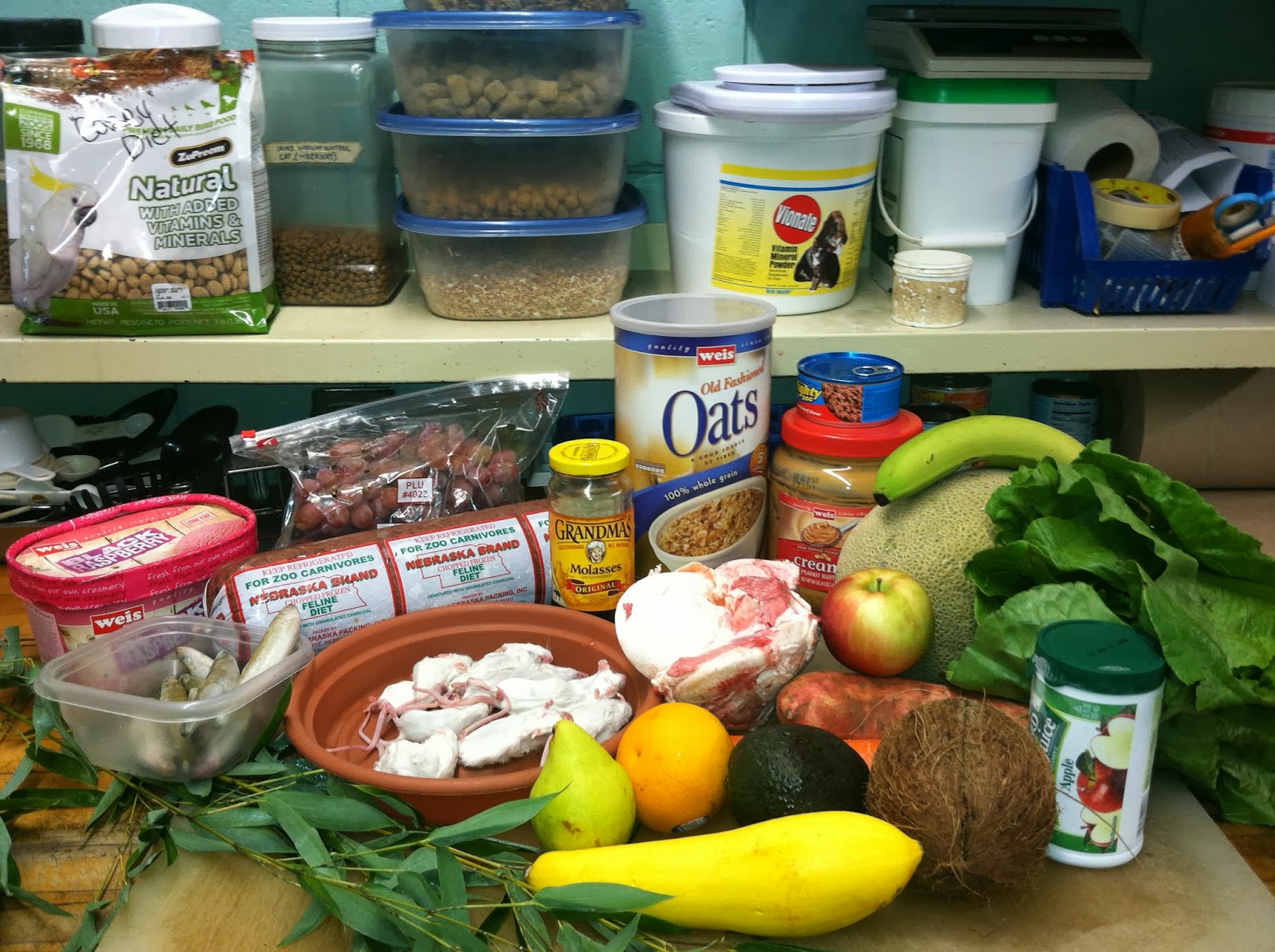
Food comes from trusted suppliers: USDA-inspected meats, fresh produce from local farms, and specialized pellets from companies formulating nutrient-packed biscuits. For instance, hay bales stack high for herbivores, while frozen rodents arrive for reptiles—sustainable sourcing keeps costs down and ethics up. Volunteers like me help distribute, turning feeding time into enrichment opportunities that stimulate natural behaviors.
Diets for Different Animal Types
Breaking it down by diet type reveals how zoos tailor meals to herbivores, carnivores, and omnivores. Each category draws from wild inspirations but uses captive-safe alternatives, like fortified feeds to replace scarce wild plants. This approach prevents deficiencies, like the vitamin A shortages that once plagued big cats before modern formulations.
Herbivore Diets in Zoos
Herbivores munch on high-fiber foods to aid digestion, often spending hours grazing just like in the wild. Zoos provide a mix of hay, browse (fresh branches), and veggies to keep things varied and prevent boredom—imagine an elephant getting the same salad daily; they’d trunk it away in protest. These diets emphasize gut health, with probiotics sometimes added for older animals.
What Elephants Eat in Zoos
Elephants devour up to 300 pounds daily, mostly hay, fruits like apples, and veggies such as carrots. At places like the Cincinnati Zoo, they get seasonal treats like pumpkins for mental stimulation. It’s a lot of prep work, but watching them savor a watermelon makes it worthwhile.
Giraffe and Zebra Feeding Habits
Giraffes reach for acacia branches hung high, mimicking savanna browsing, paired with alfalfa hay and pellets. Zebras graze on grasses and grains, with added minerals to support hoof health. Both get produce rotations to avoid monotony, keeping them engaged and healthy.
Carnivore Diets in Zoos
Carnivores thrive on protein-rich meals, often whole prey or ground meat with bones for dental benefits. Zoos use inspected sources to avoid diseases, supplementing with vitamins since captive meat lacks wild variety. This setup promotes natural tearing and chewing, reducing stress.
Lion and Tiger Meals
Lions feast on beef or horse meat chunks, about 10-15 pounds per feeding, with fast days to mimic hunting gaps. Tigers get similar, plus fish for variety—I’ve seen keepers hide portions to encourage prowling. Bones once a week act like nature’s floss.
Feeding Birds of Prey and Reptiles
Eagles and hawks receive rodents or quail, feathers intact for digestion aid. Snakes get pre-killed mice weekly, sized to their girth—it’s precise to prevent regurgitation. These meals are thawed safely, ensuring no bacterial risks.
Omnivore Diets in Zoos
Omnivores enjoy the best of both worlds: meats, insects, fruits, and grains balanced for energy. Bears, for example, get nuts and berries in puzzles to forage, echoing forest habits. This flexibility allows for creative enrichment, like honey-drizzled veggies.
Bear and Primate Nutrition
Bears chow on fish, fruits, and veggies, with seasonal nuts to prep for hibernation vibes. Primates like gorillas eat leafy greens, biscuits, and yogurt for probiotics—my volunteer shifts involved scattering food to promote social bonding.
Small Mammals and Birds
Raccoons and parrots get insects, seeds, and produce, often in toys for mental workouts. It’s about variety to prevent nutritional gaps, with vets monitoring for issues like feather plucking from boredom.
Comparing Wild vs. Zoo Diets
In the wild, animals forage unpredictably, facing feasts and famines that build resilience. Zoo diets are consistent, reducing starvation risks but potentially leading to obesity without exercise. Wild variety offers natural vitamins, while zoos use supplements—it’s a trade-off for safety.
- Wild Advantages: Seasonal changes build immunity; natural hunting hones skills.
- Zoo Advantages: Balanced nutrients prevent deficiencies; veterinary oversight catches issues early.
- Challenges in Both: Wild risks parasites; zoos combat boredom with enrichment.
Here’s a table summarizing key differences:
| Aspect | Wild Diets | Zoo Diets |
|---|---|---|
| Variety | High, seasonal plants/prey | Controlled, supplemented |
| Quantity | Variable, effort-based | Measured, daily consistent |
| Risks | Starvation, toxins | Overfeeding, less activity |
| Benefits | Natural behaviors | Health monitoring |
Pros and Cons of Formulated Zoo Foods
Formulated pellets and biscuits pack essential nutrients in easy forms, but they’re not without debate.
Pros:
- Ensure complete nutrition, like vitamin-fortified chow for flamingos.
- Cost-effective for large zoos.
- Reduce waste compared to fresh-only diets.
Cons:
- Less stimulating than whole foods, potentially boring animals.
- Processing might alter natural textures.
- Dependency on suppliers for quality control.
I’ve noticed animals perk up more with fresh items, but pellets keep baselines steady—balance is key.
Enrichment Through Feeding
Feeding isn’t just sustenance; it’s a chance to spark instincts. Keepers hide meals in puzzles or scatter them, turning chow time into play. At Brookfield Zoo, browse branches encourage natural stripping for goats—it’s heartwarming to see their joy.
Tools for Feeding Enrichment
Boomer balls filled with treats roll for big cats, promoting chase. Frozen blood blocks for polar bears mimic icy hunts. These low-cost ideas boost welfare, as shared in Merck Veterinary Manual guidelines.
Where to Get Zoo-Quality Animal Food
Curious about sourcing similar for pets? Check suppliers like Mazuri or Oxbow for exotic feeds—great for rabbits or birds. Local farms offer hay; for meats, USDA vendors ensure safety. Visit sites like AZA.org for approved lists.
Best Tools for Home Animal Nutrition
For pet owners, digital scales measure portions accurately. Apps like Pet Diet Tracker log intakes. Books such as “Zoo Animal Nutrition” by experts provide insights—grab one from Amazon for deeper dives.
People Also Ask (PAA)
Based on common Google queries, here are answers to burning questions about zoo animal diets.
What Food Do Zookeepers Feed Their Animals?
Zookeepers prepare species-specific meals: herbivores get hay and veggies, carnivores meat and bones, all vetted for safety. Diets evolve with health needs, often including enrichment items like hidden fruits.
What and How Do Animals Eat in Zoos?
Animals eat via scheduled feedings mimicking wild patterns—grazing for herbivores, hunting simulations for predators. Methods include scattering, puzzles, or whole prey to encourage natural behaviors and digestion.
Why Do Zoos Serve Animals as Food to Visitors?
Zoos focus on conservation messaging but offer familiar foods like burgers at cafes for revenue—it’s separate from animal care. Some promote sustainable sourcing to align with ethics.
Nutrition at the Zoo: What Do Pygmy Hippos Eat?
Pygmy hippos munch grasses, fruits, and aquatic plants, supplemented with pellets. Toronto Zoo highlights their veggie-heavy diets for gut health, often with enrichment like floating melons.
FAQ
How Do Zoos Ensure Balanced Diets for Animals?
Nutritionists use lab analysis and wild data to formulate meals, adjusting for age and health. Regular check-ups catch imbalances early.
What Do Baby Zoo Animals Eat?
Juveniles get milk formulas or softened versions of adult diets, like mashed fruits for primates. Weaning transitions slowly to solid foods.
Are Zoo Animal Diets Expensive?
Yes, costs run high— Cincinnati Zoo spends over $200,000 yearly on meat alone. Produce adds up, but bulk buying and donations help.
Can Visitors Feed Zoo Animals?
Usually no, to prevent health risks. Some zoos offer supervised sessions with approved treats—check rules first.
How Has Zoo Nutrition Evolved?
From basic feeds in the 1980s to research-backed formulations today, thanks to places like the National Zoo pioneering carcass feeding for better welfare.
In wrapping up, zoo animal diets are a testament to human dedication—blending science, stories, and a dash of fun to keep these wonders thriving. Next time you’re at the zoo, peek behind the scenes; you might spot a keeper crafting a gorilla’s salad. It’s moments like that which remind me why we care so deeply. For more on animal care, explore our internal guide to zoo enrichment. And if this sparked your curiosity, share your own zoo tales below—I’d love to hear them.
(Word count: 2,756)